
TPO Roofing in Daly City, CA
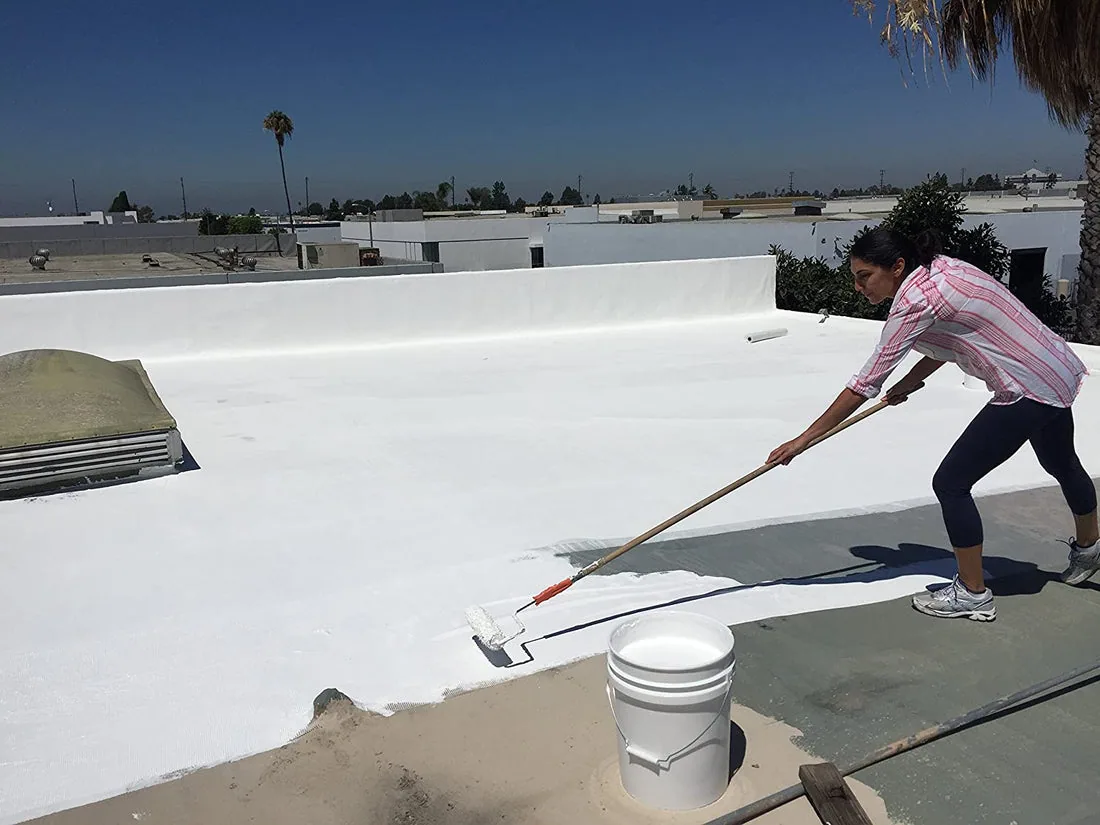
TPO Roofing in Daly City
TPO single-ply roofing for Daly City, CA buildings: seam welding, attachment choices, drain paths, and trade handoffs planned around the wet season.
A TPO membrane is only as good as the line where one sheet meets the next, and that line is also where the schedule is won or lost. A welded seam needs a dry, clean surface and a probe check before the next sheet or the next trade crosses it. On a Daly City, CA project, we set the seam layout, the wall terminations, and the walk paths on the drawings first, so the general contractor knows which parts of the roof can be released to other trades and which stay closed until they are inspected.
Thermoplastic polyolefin is a single-ply sheet, usually white or light gray, that is hot-air welded at the overlaps so the seams become part of the membrane rather than a glued joint. It suits low-slope buildings with plenty of rooftop equipment, and it sits beside PVC membranes as a welded option we install, repair, and maintain, while an EPDM rubber sheet relies on adhesive or tape seams. The decision that matters is how the sheet will be held down, what sits under it, and where it ends.
Scope boundary: Set the limit of the new sheet
The first drawing should show where the new membrane stops. At a parapet, the sheet turns up the wall and is terminated with a bar or a reglet, and that termination has to match the wall material behind it. At a rooftop unit, the membrane meets a curb that may belong to the mechanical trade. At a roof-to-wall joint on an adjacent building, the limit can be a shared condition that needs an owner decision before work begins. We mark each as a scope item instead of settling it on the roof with a lift waiting.
Daly City's General Plan maps 13 planning areas; Westlake, Serramonte, Mission Street, Bayshore, and the BART station area are among them. The City identifies retail, healthcare, and small business activity as important parts of its economy, so a TPO scope is written from the building in front of us. We walk the roof, photograph the existing edges, and write the boundary into the proposal. Anything outside the line is listed as excluded, so a later request is a priced change.
Attachment: Decide how the sheet is held down
TPO is installed three common ways: mechanically fastened, fully adhered, or ballasted. Each one changes the work sequence. Mechanical attachment uses plates and screws into the deck, so the deck type and condition decide whether fasteners will hold. Full adhesion bonds the membrane to a cover board or insulation face, which gives a smooth surface and shifts the risk toward substrate preparation and temperature during application. Over an old layer, the choice often ties to a recover over the existing roof.
The attachment choice also sets the access window. A fully adhered system needs a clean, dry substrate and time for adhesive to flash off before the sheet is rolled in. Fastened systems move faster but require pull testing so the schedule rests on what the deck will hold. We show the chosen method, the test plan, and the reason for it in the scope, so the general contractor can plan the dry-in around something real.
Wet season: Match the install to the rain record
The nearby San Francisco International Airport NOAA station, which is a station record and not a citywide Daly City measurement, puts 16.76 of its 19.64 annual normal inches in November through March. From June through August the same normals total 0.18 inch. That contrast shapes a TPO sequence more than almost any other fact about the building. Seam welding and adhesive work belong in the dry months, while the wet months call for protected tie-ins and temporary closures that can be sealed overnight.
When a project has to cross into the cool season, we plan the work in sections that can be made watertight at the end of each shift. Every open edge gets a temporary seal, every drain a strainer or plug, and every area opened in a day is closed before the crew leaves. Material trucks reach the site by Interstate 280 or Highways 101 and 82, so deliveries are timed to the dry-in plan instead of arriving ahead of it.
Drain path: Keep water moving off the new surface
A white membrane shows standing water more clearly than a dark one, and it also holds dirt in the low spots where water lingers. Before a TPO sheet is laid, we check the drain bowls, clamp rings, and scuppers, and the slope between them. If insulation is being replaced, tapered boards can be used to build positive drainage into the new assembly. If the structure sets the slope, we say so and plan the membrane around that condition, with extra attention on the sheet in the low zones.
A drain path drawn on the closeout plan lets the next maintenance visit find the same outlets without guessing which ones were rebuilt.
Cost driver: Price the details, not only the field
Most of the sheet is the simple part. Cost and time collect at the edges: parapets, curbs, pipe penetrations, expansion joints, and wall terminations, each of which needs a custom flashing or a preformed boot. Membrane thickness, insulation, cover board, and whether the old system is removed also change the number. We separate those items in the proposal so an owner can compare a full replacement with a recover on the same roof boundary.
TPO permit planning should account for the code transition: Daly City’s amended 2025 California code edition took effect on January 1, 2026. Title 24 plan review and construction inspections belong to the Building Division. A permit application deemed complete earlier may stay under the codes in effect when it was deemed complete. We keep the permit status in the project file because it can change insulation, venting, and fire-classification choices, and the cost follows those choices.
Questions About TPO Roofing
Closeout: Leave a record the next trade can use
When the last seam is probed, the roof is not finished until the paper matches it. We photograph the terminations, the penetrations, and the drains, mark the seam layout on the plan, and list the areas where the old assembly was retained. That record lets the next crew find the correct membrane at a reported leak. A written condition report can carry it forward for the owner.
For a general contractor, the useful closeout is a short package: the roof plan with boundaries, the photographs of covered conditions, the attachment and test information, and the walk-path layout for the equipment trades. Along Mission Street and Geneva Avenue, where the City identifies commercial activity, a building may see several vendors on one roof. A clean record keeps them from guessing what lies beneath their feet. We hand it over at closeout on every Daly City project.
Commercial Roofing Questions
Can TPO go over an existing roof?
Sometimes. A recover needs a sound deck, dry insulation, and enough height at walls and curbs for the added layer. We cut test openings and check moisture before recommending it, and we write the retained areas into the plan.
Why are TPO seams probed after welding?
A probe pulled along the seam edge finds weak welds that look fine from above. Cold weather, dust, or a wet surface can leave a seam that holds today and opens later, so the check happens before the area is released.
Is a white TPO roof worth it in Daly City?
A light-colored membrane can limit absorbed solar energy; nearby airport normals place the annual mean at 58.7°F, while a specific roof still needs review for shade, exposure, and insulation. The stronger reasons to choose TPO are weldable seams and flexible detailing around equipment.
Who installs the walk pads?
The roofing scope should include them at every service path to equipment. Pads protect the sheet from foot traffic and give the mechanical trade a marked route that does not cross fresh seams.
How long does a TPO job take on an occupied building?
We give a work sequence by roof section. Tenants get notice of noise and material movement, and each section is closed before the next opens.
More Commercial Roofing in Daly City
Send the roof plan and access limits
Share the drawings, the existing roof information, and any tenant or trade constraints. We will walk the roof and return a TPO scope with a workable sequence.