
Roofing for School Districts in Daly City, CA
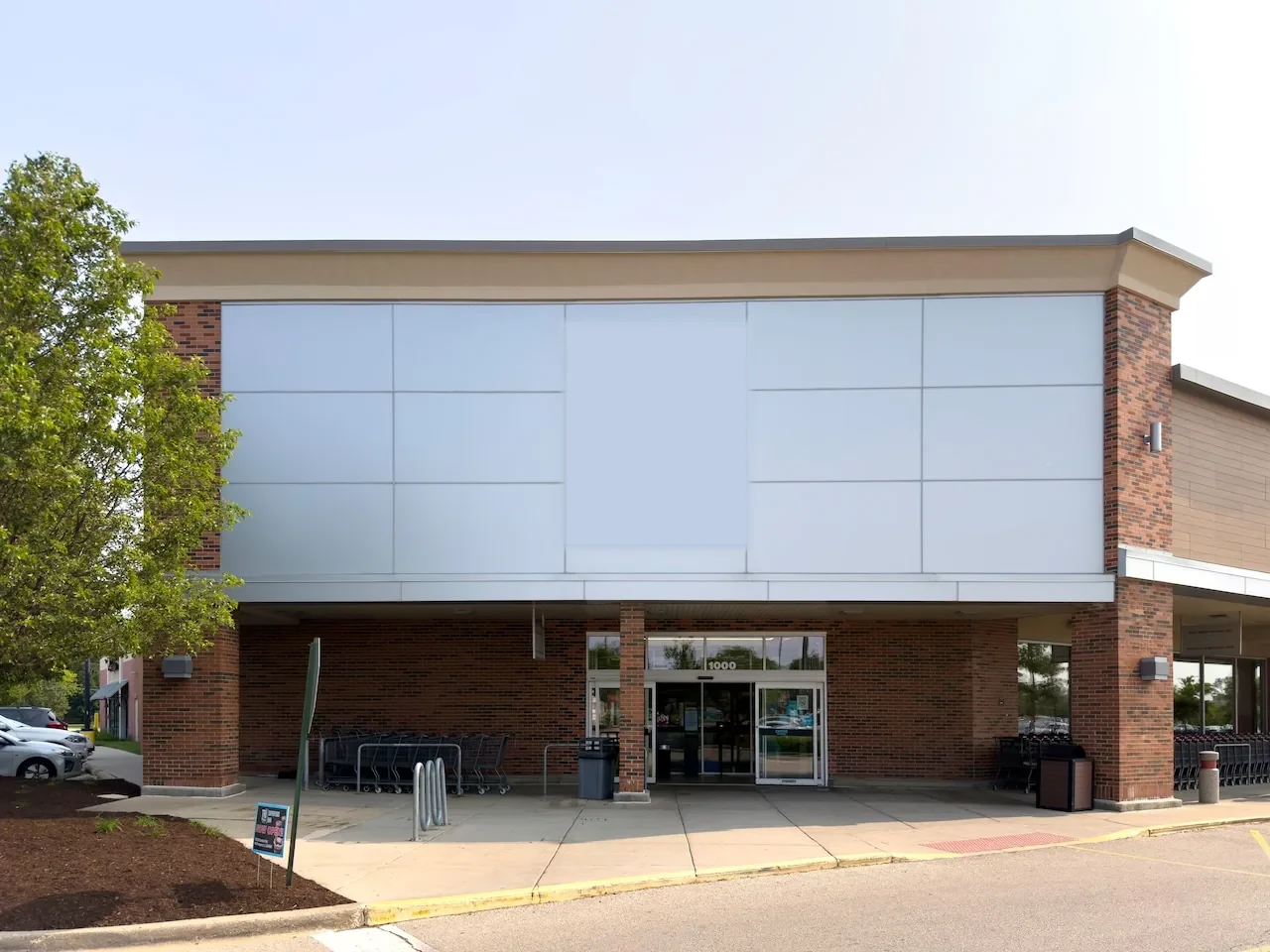
School Districts in Daly City
Roof repair, replacement and multi-campus planning for school districts in Daly City, timed to summer break and written for facilities and board review.
A district facilities office carries a list of roofs, a board calendar and a summer that is shorter than it looks. A roof program for a school district in Daly City, CA starts with that calendar: when the board approves spending, when students leave and when classrooms have to be ready again. We then walk the roofs on the list, label each wing and gym, and record seams, flashings, drains and rooftop equipment so the district can see which buildings need work first. Daly City's planning areas include Westlake, Serramonte and Bayshore, and a district with campuses in more than one of them gets a hoist and delivery route planned for each campus instead of one route for the whole district. The nearby San Francisco International Airport station shows a dry summer, with zero precipitation normal in July, which matches the break when roofs can safely be open. The deliverable is a ranked roof list with scopes, options and timing that the facilities director can take to the board.
Each building on the list gets its own line, so one worn gym roof does not hide in a district average.
Scope boundary: Treat each building as its own line item
A district roof list should read like a maintenance ledger. We number the buildings, divide each into roof areas, and record the condition of each area on its own line: membrane, seams, flashings, edge metal, drains, curbs and skylights. Classroom wings, gyms, cafeterias and portable-style additions often have different roof types and different ages, so a single recommendation for the whole campus rarely fits. When we find a failing area, we give the board a repair option and a replacement option, each with a cost driver list, so decisions can be made one building at a time. Buildings with no active problems stay on a watch list with a reinspection date.
Districts also share the work with city and county partners. A public agency that owns a neighboring building may be on the same board calendar, and a joint roof program can reduce mobilization costs when two owners hire the same crew in the same summer. We write each owner's scope separately so budgets and approvals do not mix.
Gyms and multipurpose rooms deserve their own paragraph in the scope. Their roofs are often higher, with long spans, clerestory windows and heavy exhaust, and a leak can damage a finished floor that is expensive to replace. We inspect those roofs from the top and from the interior catwalk or lift where access allows, and we list the floor protection that goes down before any opening is made.
Sequence: Use the summer break and protect what stays open
Summer is the main work window, but summer programs, athletics and custodial schedules do not stop. We obtain the building use calendar, mark which wings are occupied and set work zones that keep entries, play areas and fire lanes clear. Fencing and covered walkways are priced as part of the job, not added later. Sound control matters near classrooms with testing or summer sessions, so the loudest work, such as tear-off and fastening, is placed in the hours the school contact selects. The roof plan shows where the hoist sits, where material is staged and how the crew reaches the roof without crossing a student route. When the break is shorter than the job, we split the work into phases so each phase finishes dry and inspected, and the building can open on time with the remaining phase scheduled for the next break or a weekend.
Water path: Prepare roofs before the first storm of the school year
Of the 19.64 inches in the airport station's annual normal at San Francisco International, 16.76 fall from November to March. That means the first heavy storm of the school year tests every drain and flashing that was repaired over the summer. We clear drains and overflow scuppers, check seams and edge metal and walk each roof again in early fall, ahead of the wet season. A leak over a classroom disrupts instruction, so the facilities office should keep a short list of repair contacts, and our emergency response runs around the clock if water reaches a room. Temporary work is photographed and tracked until the permanent fix is finished.
Code and review: Know which approvals the project needs
School projects may carry review requirements beyond a city permit, and the district's facilities office usually knows which apply. The Building Division in Daly City handles Title 24 review and inspection for construction and renovation, and the 2025 California Building Standards Code, with the city's amendments, has applied since January 1, 2026. We ask the district which review applies to each building, because a gym and an administration wing can fall under different paths, confirm whether an application was deemed complete before that date, and write the scope and submittals to match. A clear submittal log lets the facilities office answer an inspector quickly.
Cost driver: Separate roof area from the work around it
A campus with many small roof areas, several levels and tight adjacency to occupied rooms prices differently from a single open roof. Cost drivers include roof area, removal depth, insulation, drains, curbs, edge metal, safety barriers and the number of phases. We list each of those items on the proposal, so the board sees what is being bought. Where an existing roof is dry and the deck sound, a recover can avoid a tear-off; where the insulation is wet, we recommend removal. A full replacement priced by area gives the district a fixed scope it can compare against a recover.
Questions About School Districts
Closeout record: Give the district a file that outlives the project
Facilities directors change, but roofs stay. We leave the district a labeled set of photographs for every building, a marked plan, a list of materials installed and a maintenance calendar. The file supports the district's roof capital plan and lets the next facilities lead see what was done without hunting through email. Districts that manage sites in Daly City, South San Francisco or Pacifica can use the same file for every campus. Where the district works with a general contractor on a modernization, we send the roof file to the contractor for tie-ins.
Commercial Roofing Questions
When should a district start planning for summer roof work?
As soon as the board calendar allows. Roofing materials and crews need lead time, and the roof walks that set the scope should happen well before the summer window. We suggest walking the roofs in the winter or spring so the board can approve a ranked list.
Can we replace one roof and keep the rest on a watch list?
Yes. A watch list works when the unrepaired roofs have a reinspection date and a trigger, such as a new leak report or a seam opening, that moves them up the list.
How do you keep students away from the work?
The plan shows fenced work zones, hoist locations and a delivery path that avoids student routes. We coordinate with the school contact for each campus and set a daily check that the zone is secure before students arrive.
What if the roof is still leaking when school starts?
The crew can place a temporary dry-in at any hour and then return to complete the permanent repair when the area is clear. We give the school a written list of what is temporary and what is final, along with the date we expect to return, so the principal and the custodial staff know what to watch in the meantime.
Does the district need a moisture survey before replacement?
It helps when the roof is large or the leak history is unclear. An infrared moisture survey can find wet insulation so the scope matches the roof and the district avoids paying for removal that is not needed.
More Commercial Roofing in Daly City
Send us your roof list
Share your building list, roof plans, leak reports and board calendar. We will walk the roofs and return a ranked scope for facilities.