
PVC Roofing in Daly City, CA
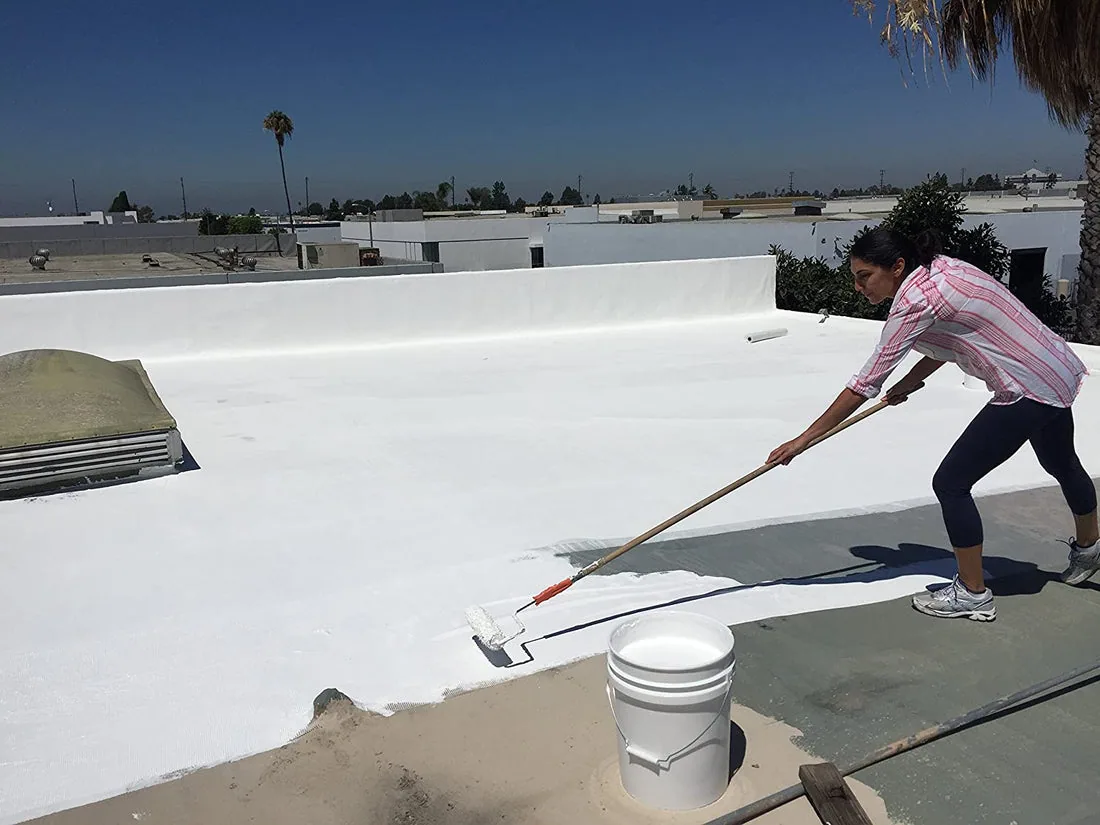
PVC Roofing in Daly City
PVC membrane roofing in Daly City, CA: welded seams, chemical exposure checks, exhaust-heavy rooftops, and clear scope limits for general contractors.
Grease on a roof surface changes which membrane the drawings should call for, and it changes it before anyone prices a square. PVC is the single-ply sheet we look at first where exhaust fans, kitchen vents, or process equipment discharge onto the roof, because its welded seams and its resistance to many oils and chemicals hold up where other membranes soften. On a Daly City, CA project, the question for the general contractor is where the contaminated zone ends and how the sheet will be protected as the trades keep working above it.
Polyvinyl chloride membrane is reinforced with a polyester or glass scrim and welded with hot air at the overlaps, so the seam is a fused joint. We install, repair, and maintain PVC alongside TPO, and the choice between them rests on what the roof will be exposed to through the next round of tenant changes, not on color, and the KEE alloy sheet is a third option for the same exposure.
Exposure check: Identify what lands on the sheet
Before selecting PVC, we trace what leaves the building through the roof. Restaurant exhaust, laboratory fume discharge, oil mist from process lines, and condensate from refrigeration plant can all end up on the membrane. Some roofs have a single fan that drips; others have a row of vents that coat a whole panel of sheet. We photograph the stains, locate the source, and note which discharges are likely to continue after the new system is in place.
That map changes the proposal. A heavily exposed zone might receive a heavier sheet, a protective pad under the fan, or a grease containment kit, while the rest of the roof uses a standard thickness. The exposure map also tells the mechanical trade where service access will concentrate foot traffic. Retail, healthcare, and small business uses are named by the City as important parts of Daly City's economy, and each can place different discharge on a rooftop, so we read the building instead of assuming the use.
Seam work: Weld, probe, and mark before release
A PVC seam is made by passing a hot-air welder along the overlap while a roller presses the two sheets together. The weld width, the speed, and the surface condition all affect the result. Dust, moisture, and a cold sheet can produce a seam that looks continuous and still pulls apart under load. Probing the edge of every field seam finds weak spots, and cutting a small test sample at the start of each shift confirms the welder settings against the day's temperature.
At details, the sheet is joined to preformed boots, corners, and flashing pieces that are welded in the same way. Where a pipe or curb has a shape no preformed piece fits, we use a liquid-applied flashing resin compatible with the membrane. Each repaired spot is marked on the roof plan, which lets the next trade find the seam it must avoid when it runs conduit or sets a new unit.
Work sequence: Protect the occupied floors below
PVC jobs on occupied buildings begin with the area that sits above the most sensitive tenant space. Roof access, hoisting, and staging are placed away from entries and loading points, and the crew is given a daily limit of tear-off that can be sealed before the end of the shift. The general contractor receives the sequence as a plan with section numbers, so other trades can book their own access windows without crossing an open edge.
Along Mission Street, where the City identifies commercial and mixed-use activity, a roof may sit over retail on the ground level and residential or office use above. Noise, fumes from adhesives, and material movement are all tenant impact items, and we list them in the work plan with the times they are expected. Materials arrive by Interstate 280 or Highways 101 and 82, so delivery is staged to the area being worked rather than stacked on the roof ahead of the crew.
Weather window: Use the dry months for the field
The NOAA station at San Francisco International Airport, which is a nearby station record and not a measurement taken in Daly City, shows 16.76 inches of its annual normal falling between November and March and only 0.18 inch from June through August. Welding needs a dry surface, so the summer window is the natural choice for large open areas of PVC. Cool-season work calls for smaller sections and tighter protection at each tie-in.
Overnight, temporary seals go over any edge the crew did not finish. The seal is a scope item with an owner, usually the roofing crew, and the plan states who inspects it before the next shift begins. If rain arrives during the work, the area is walked, dried, and re-probed before welding resumes. A written record of those checks goes into the project file so the closeout shows how each section was handled.
Cost driver: Separate the sheet from the protection
PVC usually costs more per square than some other single-ply options, and the difference is easiest to judge when the proposal separates the pieces. Membrane type and thickness are one item. Insulation and cover board plus adhesive are another. Contaminated zones, extra pads, and walk paths are a third. The work at curbs, penetrations, and edge metal is a fourth, and it often decides the final number more than the open field does.
A PVC scope should identify the code date in its permit notes. Daly City’s local version of the 2025 California standards has applied since January 1, 2026; its Building Division manages Title 24 review and site inspections. We list permit status, inspection stops, and any roof classification requirements with the schedule. Owners can then compare PVC with a silicone coating or a recover on the same boundary, and see which items change the capital item and which only change the timing.
Questions About PVC Roofing
Closeout: Leave a map of exposure and welds
The record we hand over shows where discharge zones were identified, which fans received pads, and which seams were probed. It also lists the transition points where PVC meets other membranes, since two different sheets cannot be welded to each other and need a proper termination. With that map, a maintenance visit can inspect the right places in the right order.
If the owner later wants a written condition report or a plan for the whole Daly City building portfolio, the closeout photographs give a baseline to compare against.
Commercial Roofing Questions
Is PVC better than TPO on a restaurant roof?
Often, when grease reaches the sheet. PVC resists many oils and animal fats better, but the answer comes from a look at the fans and the discharge, not from the building type alone.
Can PVC be welded to an existing TPO roof?
No. The two sheets do not fuse. Where they meet, we form a mechanical termination with a bar and sealant, or we separate the areas with a flashed curb.
Do PVC seams need to be tested after every weld?
Each field seam gets a probe check along its edge, and test welds start every shift. Anything that fails is re-welded and marked on the roof plan.
How does a damp morning affect a PVC install?
A damp morning delays welding until the surface is dry. The nearby airport station records almost no summer rain, so the question is dew on the sheet, not rainfall, and we check the surface before each run.
What will PVC change for the tenant below?
Noise from hoisting, odor from adhesives at details, and rooftop foot traffic are the main effects. We state each one and the time window in the plan.
More Commercial Roofing in Daly City
Share the rooftop equipment list
Send the drawings, a list of fans and vents, and any access limits. We will walk the roof and define a PVC scope with a workable sequence.