
Commercial Roof Recover in Daly City, CA
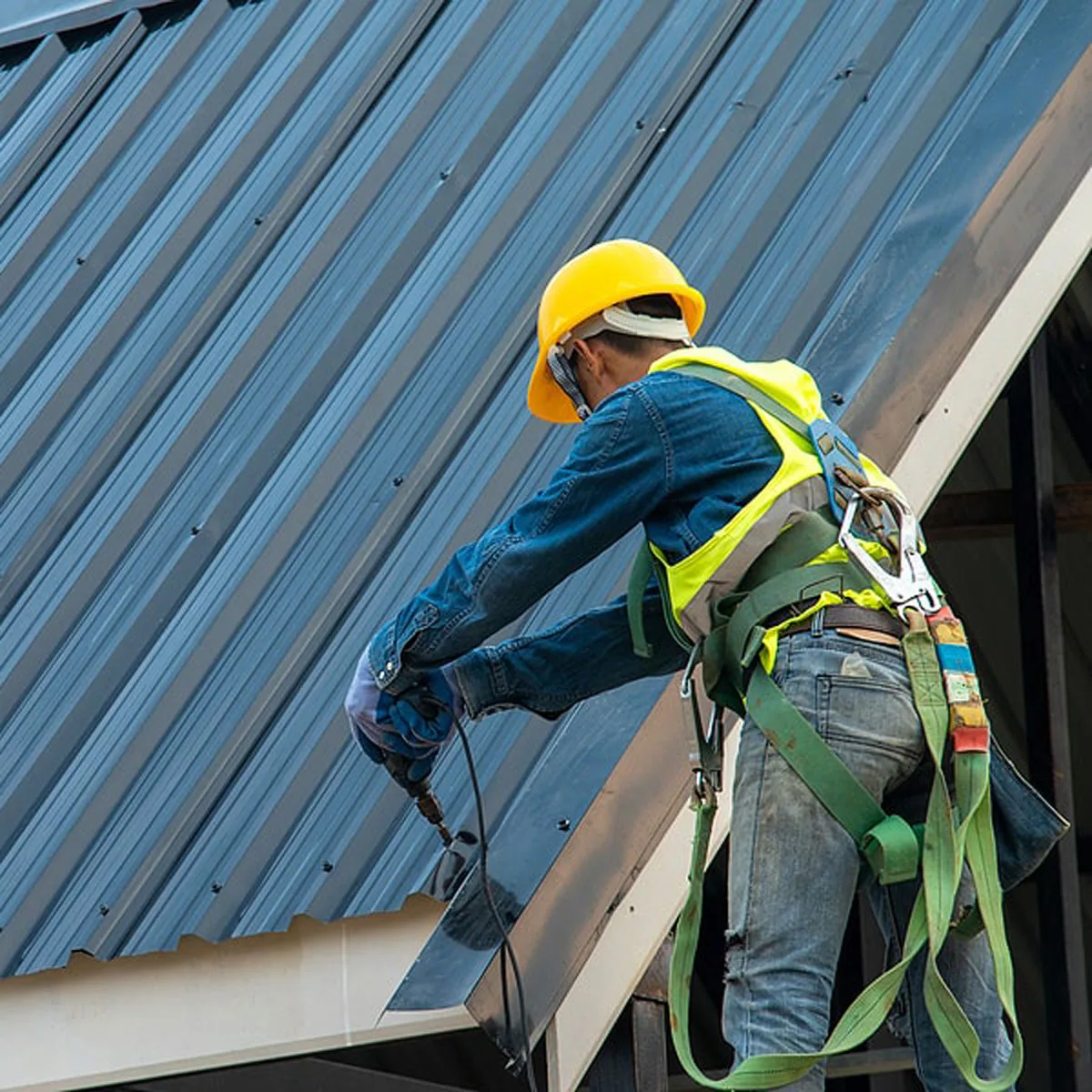
Commercial Roof Recover in Daly City
Compare a roof recover with tear-off using verified layers, moisture findings, attachment needs, drainage, and Daly City permit timing.
A recover begins with a question that cannot be answered from the roof surface: what is underneath it? We inspect the existing assembly, take test cuts where appropriate, and map the areas that may remain in place. A new membrane over a wet or unstable layer can conceal a problem and complicate future repairs. In Daly City, we tie the decision to the actual roof condition, drainage, deck, and details, then give the general contractor a scope that identifies where the existing assembly can stay and where it cannot.
The City identifies mixed-use and commercial activity along Mission Street and in Bayshore. That planning context helps explain why roof work may need careful phasing, but it does not prove a building's construction or existing membrane. A recover decision is made from the building itself. Our commercial roof inspection records visible conditions, transitions, and drainage before the scope is priced. For each job in the Daly City service area, local access is planned from the property's own rules, not from a neighborhood name.
Existing layers: find out what is there
We start by establishing what the roof contains and how many layers are present. Records can point the inspection in the right direction, but a test cut is often needed to confirm membrane, insulation, cover board, vapor retarder, and deck conditions. Each opening must be repaired as part of the final assembly. We map wet or soft areas, failed seams, loose flashing, and locations where water has traveled. An isolated stain inside does not tell us the full path or whether nearby insulation is affected.
The scope should distinguish areas that are sound from areas requiring removal. If moisture is found, we note its boundary and decide whether additional checks are needed before covering the roof. A recover also adds weight and thickness, so the design team must confirm structural capacity and attachment compatibility. We can coordinate findings with the contractor's design professional, but we do not replace that review. Use a moisture survey alongside test cuts only when conditions support meaningful interpretation; thermal imagery is not a substitute for verification.
Recover fit: height, weight, and attachment
A recover may be considered where the existing layers are suitable, the deck is sound, the drainage remains workable, and the new system can be attached correctly. The perimeter, curbs, drains, skylights, and wall terminations need enough height for the added assembly. We measure those transitions rather than assuming they can accept another layer. Where a detail cannot be raised or rebuilt cleanly, tear-off may be the better path. The decision should account for future service access as well as today's installation.
We compare a TPO recover assembly with other options based on attachment, substrate, exposure, and maintenance needs. A coating may fit only when the existing roof is dry and compatible with the coating system. A recover is not a shortcut around drainage work or failed flashing. On a property with multiple roof elevations, the project may use different approaches by area. We map those boundaries so the general contractor can coordinate edge conditions and avoid an unplanned transition at the end of a day's work.
Water path: drainage before another layer
Drainage needs attention before an overlay adds another layer. We check drain bowls, clamp rings, scuppers, overflow routes, crickets, and low points, then note whether the new assembly will change the path to the outlet. A drain that is partly blocked during an inspection should be cleared before anyone draws a conclusion about slope. If the roof holds water after ordinary maintenance, the proposal should name the correction being considered and who is responsible for validating it.
The warm-season reference is notably dry at the nearby San Francisco International Airport station, where NOAA normals add up to only 0.18 inch across June, July, and August. That is a station reading, not a property measurement. For a recover project, a dry interval can help with surface preparation and adhesion checks, while the contractor still follows the selected system's temperature and substrate requirements.
Installation sequence: prepare, cover, close
Once the assembly is selected, the crew needs a defined preparation zone, material path, and stopping point. We remove loose debris, prepare the existing surface to the system requirements, and address details before covering them. The work plan identifies how the new membrane meets walls, curbs, and roof areas outside the recover. We mark areas that must remain accessible for tests or other trades. If rooftop equipment work overlaps, the general contractor should settle the order before a membrane is installed below it.
For an occupied commercial property, we phase the area to preserve entries and limit disruption from material movement. Daly City's local planning documents identify Westlake and Serramonte as key commercial areas; that context can inform the coordination conversation, not serve as a roof-condition fact. Our occupied-building sequencing includes access notices, debris handling, and protected paths. Each phase should end with the roof sealed and the boundary ready for the next crew, with no open scope left unclear at shift change.
Permit and cost decisions: assumptions in the open
Recover pricing depends on the preparation required, the amount of membrane and flashing, attachment design, drain work, perimeter metal, access, and phasing. A low initial number can omit a necessary correction if the existing assembly has not been opened or tested. We show the assumptions in the proposal and separate potential concealed conditions from confirmed work. When a tear-off alternate is useful, both options should use the same roof boundary so ownership can compare the true difference.
Daly City's 2025 California Building Standards Code with local amendments took effect January 1, 2026, and its Building Division performs plan review and field inspection for construction and renovation. The City also says permit applications deemed complete before that date may remain under the code effective on their complete date. The project team should confirm the applicable permit basis before finalizing the assembly. We can coordinate roof submittals and field access with the GC and design team, while the responsible professionals determine code and structural requirements.
Questions About Commercial Roof Recover
Roof record: what was recovered and what remains
Before closeout, we inspect the new membrane, seams, terminations, penetrations, drains, and tie-ins. The record identifies which areas were recovered, which were removed, and where the existing system remains. That boundary matters when the next leak report arrives: a repair team should know what assembly lies at the reported location. Marked photos and an updated roof plan make the handoff useful for maintenance without suggesting that every roof area was included in the project.
We can prepare a condition report that lists the recover work and any retained areas separately. The owner receives a practical record of what was opened, repaired, installed, and left for future attention. A maintenance program can then use the actual assembly and detail locations rather than a generic assumption. The general contractor can close its file with the materials, inspection points, and accepted changes in one place.
A recover decision stays tied to each building, whether the roof sits at a Pacifica district center, along Highway 1, or in one of South San Francisco's specific plan areas such as Lindenville, Oyster Point, or Southline. Neither place tells us what layers a roof holds. We inspect the assembly at the actual Daly City property, then keep the recover or tear-off decision attached to verified layers, drainage, deck condition, and attachment requirements.
Commercial Roofing Questions
How many existing layers can remain?
That depends on the existing assembly, applicable code, structural capacity, and attachment conditions. We verify layers with records and test openings, then document the boundary.
Does infrared imaging prove the roof is dry?
No. Thermal patterns help select test locations, but test cuts or other approved methods verify what is beneath the membrane.
When should the recover be rejected?
Wet or unstable layers, an unsuitable deck, incompatible attachment, or details without enough height can point toward removal instead.
Can drainage be corrected during a recover?
Yes, when the scope includes the slope, low points, drain details, and tie-ins required by the selected assembly.
More Commercial Roofing in Daly City
Check the existing assembly
Share roof records, test results, and access limits. We can inspect the assembly and identify which areas support a recover discussion.