
Commercial Roofing in Daly City, CA
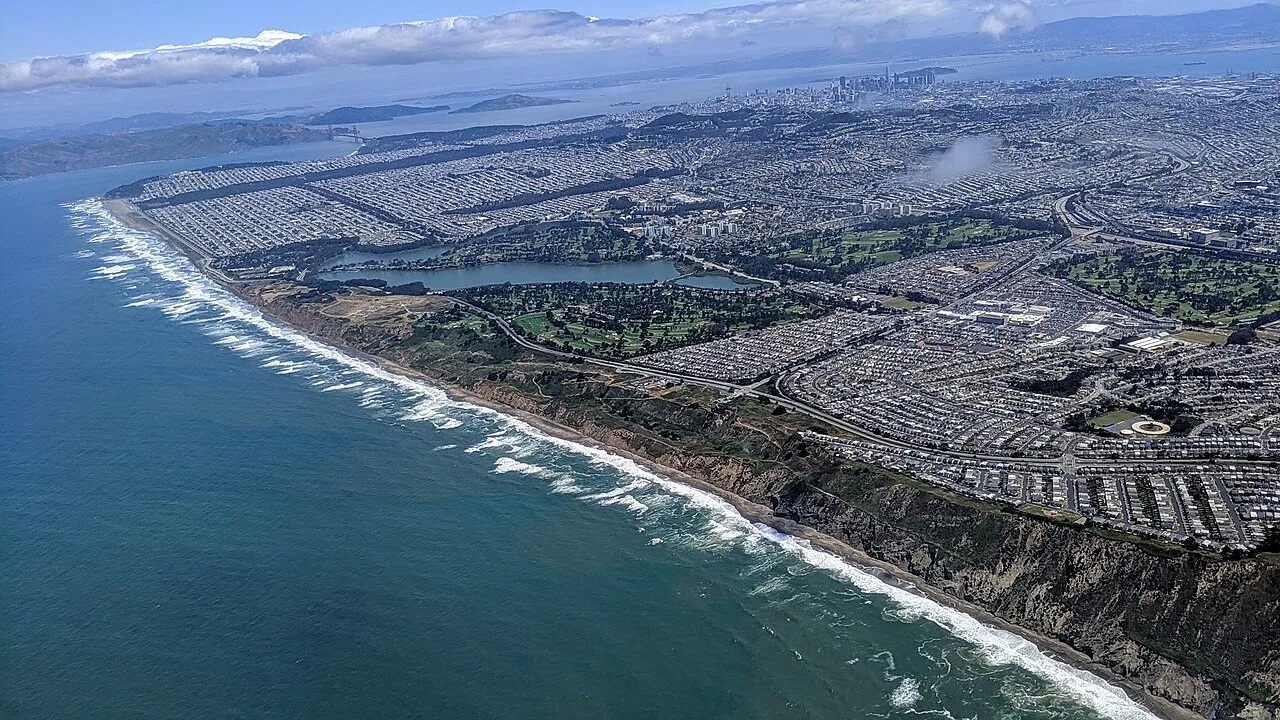
Daly City in Daly City
Commercial roofing in Daly City, CA for retail, healthcare, and small business buildings: inspections, repairs, and replacements sequenced for the rain season.
A commercial roof in Daly City, CA rarely belongs to one trade. The retail tenant below needs the doors open, the mechanical contractor needs a clear curb, and the owner needs a dry building before the first storm of the season. Our job on the roof is to define the scope boundary, name who owns the temporary dry-in, and hand the surface to the next trade in a condition they can use.
The city's own profile calls it a regional hub where retail, healthcare, and small business operate close to job centers in San Francisco and San Mateo County. Buildings serving those uses carry flat and low-slope roofs that we inspect, repair, recover, replace, and maintain. The mix of uses means the access plan changes from one roof to the next, and we write it down for each.
Where we work: Mission Street, Geneva Avenue, Westlake and Serramonte
Mission Street and Geneva Avenue carry the city's commercial-corridor label, and Westlake and Serramonte are its key commercial areas. Its General Plan maps 13 planning areas in all, including Bayshore and the Colma-Daly City BART Station area. Those labels tell a general contractor where commercial activity is planned. They do not tell us what is on a particular roof, so we confirm each building on the roof itself: the membrane, the number of layers, the deck, the drains, and the equipment that has been added over time.
Zoning work is under way as well: a commercial mixed-use designation is being developed for those two corridors. A building that may change use or ownership benefits from a written roof condition report before the next transaction or tenant improvement, because the roof's remaining life is a capital item that belongs in the budget discussion.
What we check: The first walk on a low-slope roof
A first walk follows the water. We look at drain bowls, scuppers, and low areas, then at the seams, flashings, and penetrations around them. We check parapet caps, coping joints, and the sealant at wall terminations. We photograph every roof area and mark the findings on a sketch, so the report shows location, condition, and a recommended action for each item.
For roofs where the cause of a leak is not obvious, a moisture survey maps wet insulation without cutting the membrane, and a drone inspection reaches areas that are hard or unsafe to walk. Each tool answers a specific question, and we select it for the question at hand, not as a package.
Edge metal gets its own look. Coping, gutters, and fascia take wind and water first, and loose joints let moisture behind the membrane long before a stain shows below. We check fastener spacing, sealant condition, and whether the metal laps shed water in the right direction. On a roof with a parapet, the wall below the cap deserves the same attention, since cracked masonry or failed sealant sends water into the wall cavity.
Rain season: Drain readiness and dry-in timing
For rain we read NOAA's San Francisco International Airport station, a single-station record rather than a citywide Daly City measurement. Its normals show a 58.7 degree annual mean and 19.64 inches of precipitation, nearly all of it (16.76 inches) between November and March. The summer months add 0.18 inches, and July adds none.
That split drives the calendar. Dry months suit tear-off, adhesives, and coatings. Wet months favor repairs, drain clearing, and small phased bays that can be closed each evening. A roof with clogged drains going into November is an avoidable problem, and a maintenance visit in the fall is the simplest way to avoid it. When water does come in, emergency roof repair runs day and night all week, holidays too, beginning with a temporary seal and notes on where the water entered.
Access and sequence: Working above occupied space
Retail and healthcare tenants have different limits. A storefront needs entrances protected and loud work scheduled with the manager, while a clinic may need quiet hours or restrictions on dust and odor near air intakes. We ask for those limits before the schedule is built and write them into the sequence. An occupied building reroof is planned in bays, with debris chutes, protected walkways, and a daily closing routine.
The trade handoff matters as much as the roofing. If a mechanical contractor will set a unit next week, the curb flashing is finished first. If a solar installer is planned, the roof is detailed for racking supports, conduit penetrations, and walk paths before panels are ordered. We name the person responsible for each opening, so a cut made by another trade does not turn into an unattributed leak.
Cost and code: What moves the number in Daly City
Cost follows removal depth, insulation thickness, penetration count, parapet length, and how many separate windows the building gives us. Phasing around a busy business raises the cost of a reroof, and a closed building lowers it. The roof system also matters: TPO, PVC, modified bitumen, and metal each have a different price and a different set of details.
The City Building Division administers Title 24 here, with plan review and field inspections, under the 2025 California Building Standards Code and Daly City's amendments in effect from January 1, 2026. An application that was complete before that date can continue under the codes then in force. We confirm the applicable cycle early, because insulation values and fastening requirements depend on it.
The city's economy spans professional services, retail and wholesale trade, and manufacturing, so roof priorities differ. A tenant-occupied retail roof may prioritize schedule and entrances, while a wholesale or light-industrial roof may prioritize clearances and equipment loads.
Questions About Daly City
Closeout: A record the next owner can use
When the work is complete, we leave photographs of terminations, penetrations, and drains, a note of what was installed and where, and the test results for any seams checked. That record is the practical value of a closeout. It lets an owner plan the next capital item, lets a lender or buyer understand the roof, and lets a future roofer find the system's limits without cutting a test hole. For a building near the Colma-Daly City BART Station area or along Bayshore, the same closeout format applies.
The same approach applies in neighboring cities such as San Francisco, South San Francisco, and Pacifica. If you hold several buildings across the Peninsula, a multi-site roof program puts them on one schedule.
Commercial Roofing Questions
Which Daly City roofs get inspected first before the rain?
Roofs with known leaks, ponding, or clogged drains go first, followed by those with rooftop equipment that has been serviced recently. Foot traffic around units wears membrane and displaces debris.
Can a roof stay open for a few days during a reroof?
Only with a plan. We open bays small enough to close each evening, and the temporary tie-in has a named owner. Leaving a roof open overnight in the wet months invites water into the insulation.
What does a retail tenant need to know before roof work starts?
Delivery times, entrance protection, noise windows, and any staging area in the parking lot. We collect these from the manager before the schedule is final and post them on the roof plan.
How do the 2026 code changes affect a reroof permit?
Applications deemed complete before January 1, 2026 may follow the earlier codes, while newer ones follow the 2025 California code with local amendments. We confirm which applies before insulation values are set.
Do you work with property managers who hold several buildings?
Yes. We group buildings by roof age and condition, then schedule inspections and repairs in a sequence that fits each tenant's access limits and the owner's capital plan.
More Commercial Roofing in Daly City
Send the roof plan and the access limits
Share the plans, the roof condition, and the access limits for your Daly City building. We will define a trade-ready scope and a workable sequence before the next weather window.