
Preventive Roof Maintenance in Daly City, CA
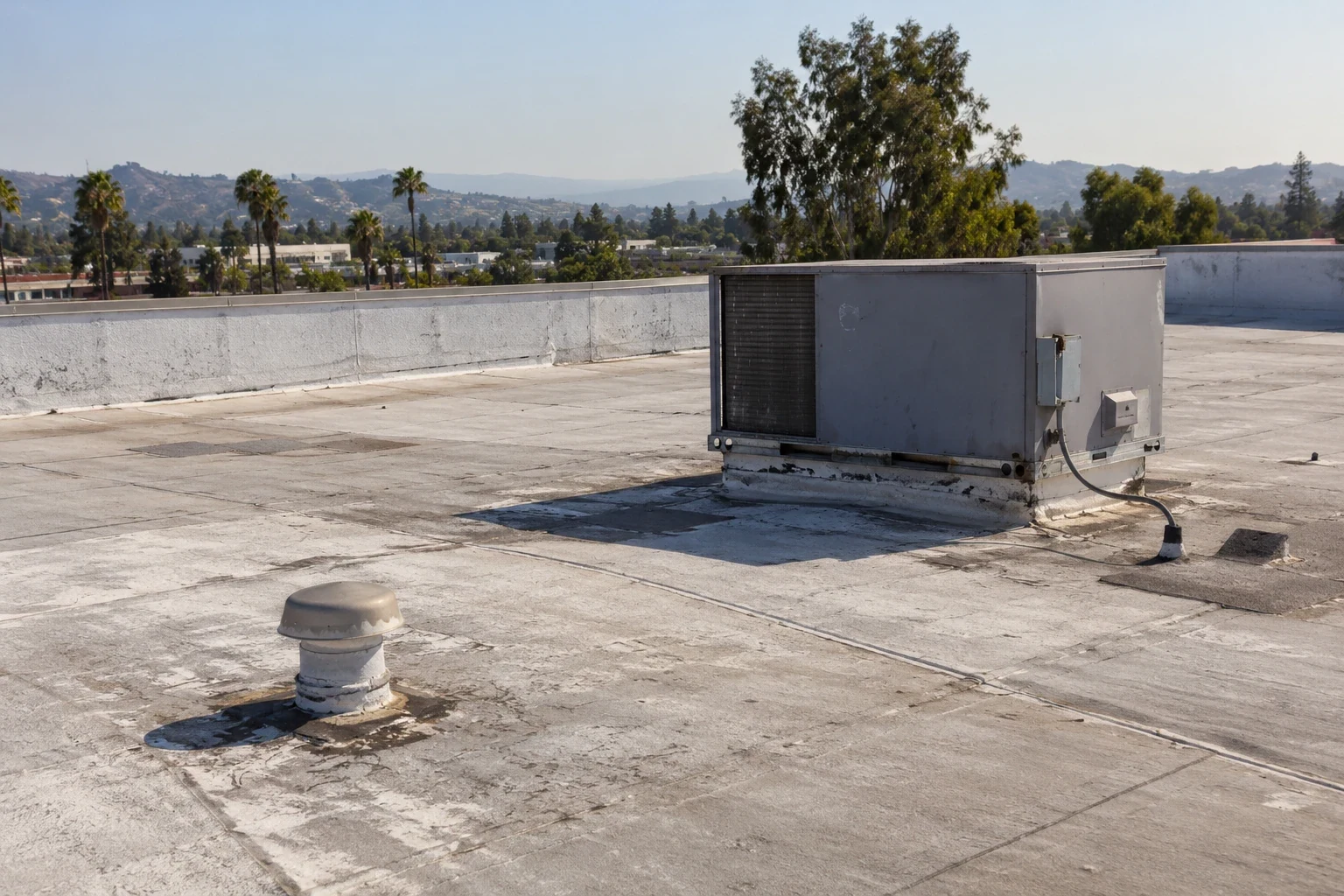
Preventive Roof Maintenance in Daly City
Plan commercial roof maintenance in Daly City with drain reviews, repair priorities, and access timing tied to the next trade handoff.
A roof walk scheduled before the next tenant turnover gives the project team a chance to separate routine upkeep from capital work. In Daly City, we record the roof area, access route, drainage condition, and any work that could interfere with mechanical or electrical trades. The point is a usable sequence, not a checklist filled for its own sake. A note about a loose counterflashing return means little until it is tied to a location, a repair owner, and a follow-up date. That is especially useful when a general contractor coordinates buildings along Mission Street or in the Westlake planning area, where access and occupancy are settled building by building. Pair maintenance findings with a commercial roof inspection when the condition needs broader documentation, or use roof drain and scupper service when water paths require closer attention.
Scope: Set the recurring maintenance list
Start with a roof plan or a marked aerial and divide the field into areas that a crew can identify without guesswork. Record seams, penetrations, curbs, edge transitions, drains, scuppers, and surface changes as separate observations. Then sort each item into monitor, maintain, or repair, with the reason and the next review date. A maintenance visit should not quietly become a replacement recommendation. If a membrane seam is open, photograph the extent and note whether the substrate is visible; if a drain basket is blocked, document the condition and the clearance work separately. That discipline helps a general contractor compare a small corrective task against a larger commercial roof repair scope. When a coating system is present, compare its condition to the assembly and a compatible repair method rather than assuming a fresh coating is the only answer.
Paths: Read movement across the roof
Water behavior is easier to assess when observations follow a route from high point to discharge. We trace laps, crickets, valleys, low areas, and drain entrances, then note debris or deformation that changes the route. A damp interior report is useful as a lead, but it does not establish the entry point by itself. Maintenance records can connect the report to a roof location, the last repair, and any later trade work. At a building near Geneva Avenue, a project team may need to stage access around active loading or tenant circulation; we confirm those conditions with the site contact rather than infer them from the corridor name. Westlake and Serramonte are commercial areas identified in city planning materials, but that land-use context does not tell us how an individual roof is built. A leak investigation can follow a separate diagnostic scope, while a roof condition report gives the owner a repeatable record.
Schedule: Prepare before the wet window
NOAA normals for the nearby San Francisco International Airport station assign 16.76 of 19.64 annual precipitation inches to November through March, a cool-season concentration recorded at the station. That is station data, not a measurement for every Daly City parcel, yet it is useful when sequencing open work and scheduled maintenance. A maintenance visit ahead of the wet period can clear known drain obstructions, photograph edge conditions, and set a response path if a leak report arrives. Summer offers a different planning window, but dry weather does not remove the need to protect exposed insulation or keep a temporary repair compatible with the existing membrane. We set work limits with the general contractor and identify who checks temporary protection at close of shift. A separate storm-damage assessment is appropriate when an event has caused damage. A roof-system review can clarify which material a future repair should preserve.
Capital: Separate upkeep from replacement decisions
Maintenance budgets become harder to defend when every observation is priced as if it were urgent. We identify the action, labor access, materials, and whether the task preserves an assembly or corrects a failure. A small flashing reset can be a maintenance item when surrounding materials remain sound; recurring separation, wet insulation, or a broad loss of adhesion may call for testing and a separate repair proposal. We do not assign a remaining service life from a visual pass alone. That estimate requires the assembly, prior work, known leaks, and field conditions. If the owner is building a multi-year plan, a roof capital planning review can place immediate work beside larger options without collapsing them into one allowance. A general contractor can then coordinate scopes with interior renovation, equipment replacement, or exterior envelope work. In Daly City, current code and permit questions belong in the project's review path, so scope notes should identify the permit status rather than presume which code applies.
Handoff: Give the next trade a marked boundary
A maintenance handoff should identify what the roofing crew has touched and what remains outside the scope. We mark temporary protection, list areas not accessed, and note any mechanical curbs or conduit supports that need coordination before another trade changes the roof. If equipment movement is planned, the path, protection, and receiving party need agreement before the move. A photograph paired with a location label can prevent a later dispute over which seam was opened. The same record helps the property manager explain a recommendation to a tenant without overstating what was found. Mission Street and Geneva Avenue are city-named commercial corridors; they provide useful planning context, not evidence about a particular property. The City profile describes San Francisco and San Mateo County job centers nearby, which helps frame regional coordination without assigning a use to any individual roof. The roof itself supplies building-specific evidence. When a project includes multiple buildings, a property management portfolio can standardize identifiers and closeout records across the portfolio, while an asset management plan can track condition changes between visits.
Questions About Preventive Roof Maintenance
Closeout: Leave a usable visit record
Before demobilization, compare completed work with the marked roof plan. Record what was cleaned, secured, patched, or deferred, and attach photographs that show both location and scale. Keep recommendations distinct from completed tasks, and note materials only when they were actually installed. A useful closeout also lists access limits, weather interruptions, and any area that could not be inspected safely. That record protects the next maintenance interval from becoming a repeat discovery exercise. We can identify an inspection date or trigger, such as a planned rooftop equipment change or interior fit-out, but a generic calendar reminder is not a substitute for event-based coordination. For an assembly-specific question, the manufacturer's published details apply only after the installed product is identified. If an owner wants to discuss the next visit, share the roof plan, recent leak locations, and access restrictions so the work can be priced and sequenced as a defined task.
Commercial Roofing Questions
What should the maintenance record include?
Use a marked roof plan, dated observations, photographs, access limits, work completed, deferred items, and a next action for each finding. Separate maintenance from repair recommendations so the record reflects what the crew actually did.
Can a maintenance visit confirm remaining roof life?
A visual visit can document condition and obvious defects, but it does not establish remaining service life by itself. Assembly details, repair history, moisture conditions, and field verification are needed before making a capital recommendation.
How should drain work be scoped?
Identify each drain or scupper, note the condition that affects flow, and separate debris removal from repairs to the drain body, flashing, or surrounding membrane. That distinction keeps labor and responsibility clear.
When is a separate inspection useful?
The broader inspection when the owner needs a condition record, due-diligence input, or a decision across multiple roof areas. A maintenance visit can identify the need, then a defined inspection scope can document the wider assembly.
What should the GC provide before scheduling?
Share roof access rules, active trade dates, tenant constraints, drawings, known leak locations, and any equipment moves. Those details help set a work limit and protect temporary conditions at shift end.
More Commercial Roofing in Daly City
Set the next roof walk
Share the roof plan, known leak areas, current access restrictions, and any upcoming trade work. We can define a maintenance scope with clear work limits and a closeout record for the project team.