
Commercial Roofing in Pacifica, CA
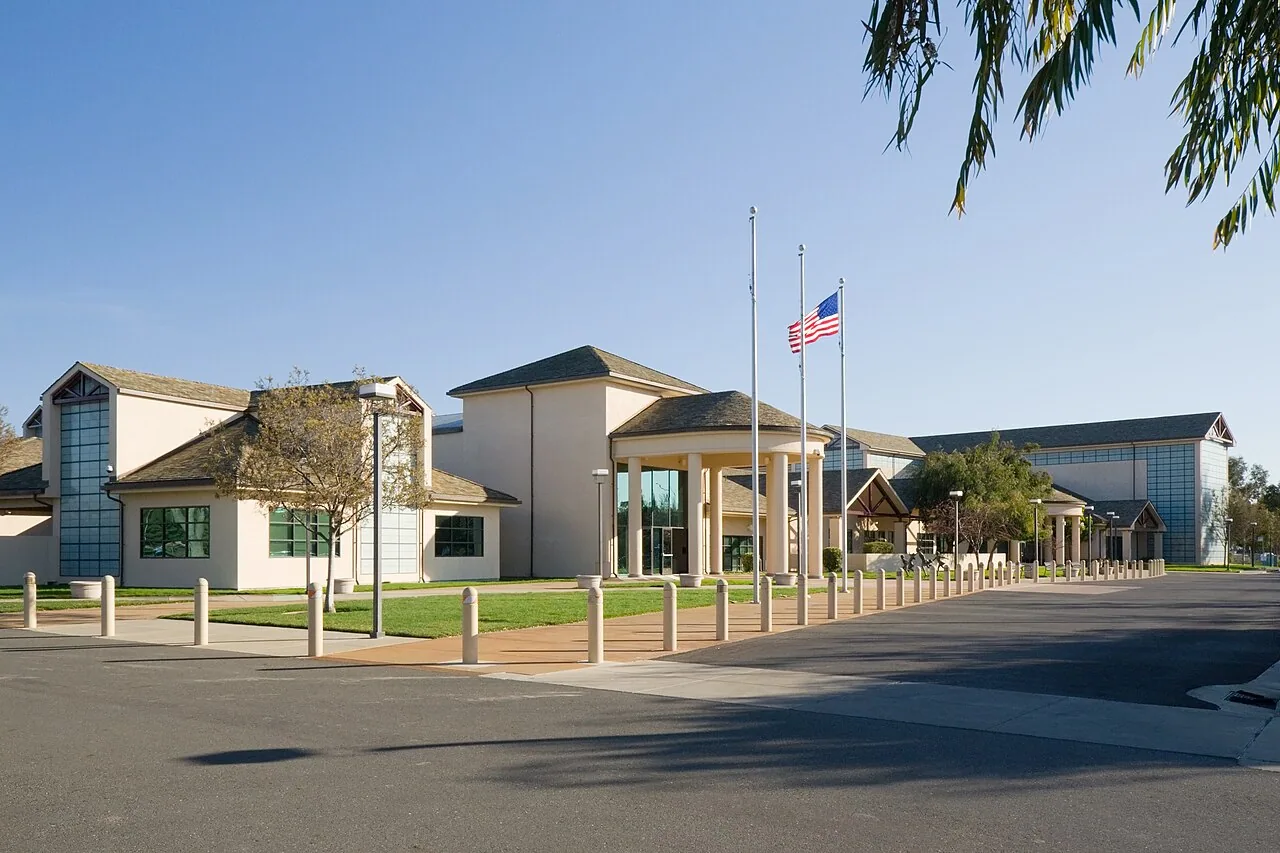
Pacifica in Daly City
Commercial roofing in Pacifica, CA: inspections, repairs, and replacements for district-center and Highway 1 buildings, planned around access and wet weather.
Pacifica's planning documents place its commercial buildings in district centers and along Highway 1, and they name three business districts, each a pairing of neighborhoods: Sharp Park with Eureka Square, Rockaway Beach with Vallemar, and Linda Mar with Sun Valley. For a roofer, a district center means shared parking, neighboring tenants, and roofs that sit close to one another. The first coordination question is almost always access: where the lift goes, which entrance stays open, and who needs to be told before the tear-off starts.
Low-slope and metal commercial roofs are our work, from repair and recover to replacement, coating, and upkeep, and the buildings are usually occupied. In Pacifica, that means writing a scope that names the roof area, the limit of removal, the dry-in owner, and the handoff to the next trade before the first panel is lifted.
Business districts: Planning for shared sites
Pacifica adopted its General Plan 2040 in 2023, and the city identifies its business districts by name. We read that as planning context, not as a description of any roof. A building in Sharp Park, Rockaway Beach, or Linda Mar may be a storefront, an office, or something else entirely, and we confirm it on the roof: the membrane, the number of layers, the deck, and the details at the edges.
Where several tenants share a parcel, the roof often does too. A leak over one unit can start in another, because water travels along the deck or through the insulation before it appears. Our leak repair work follows the water to the opening and checks the surrounding area before we recommend a patch, a repair, or a larger scope.
First walk: What we check on a small commercial roof
The first walk starts at the drains and moves outward. We look for ponding, debris, and slow drainage. We examine seams and flashing at walls and curbs, and we check the edge metal, the coping, and the gutters. Every finding is photographed and marked on a sketch with a recommended action: clean, seal, patch, or replace.
A roof with a single mechanical unit and a few penetrations is simple to document, and the report can be short. Even so, we measure the slope and probe suspect areas, because a membrane that looks sound can cover wet insulation. When the surface alone cannot answer the question, an infrared moisture survey maps the wet areas without cutting the roof.
The report also helps with capital planning. An owner who knows which areas have years left and which are near the end can schedule the work instead of reacting to a leak.
Rain calendar: Using the airport station record
Rain figures come from NOAA's San Francisco International Airport station, a reading from one station, not a Pacifica measurement. It shows 16.76 of its 19.64 yearly inches arriving in the five months from November, and a summer total of only 0.18.
That contrast suggests a calendar. Drain clearing and small repairs belong in the early fall, tear-offs and coating work in the dry months, and temporary dry-in plans in any roof job that crosses into winter. An open roof in January needs a daily tie-in with a named owner, and the schedule should carry weather days. If water is already coming in, emergency roof repair is available at any hour, holidays too.
Roof options: Matching the system to the building
The right system depends on the building, not the city. A low-slope roof with many penetrations may suit a modified bitumen assembly, with its layered redundancy. A roof that needs a white reflective surface and welded seams may suit TPO. A roof with grease exhaust may need PVC. A pitched or low-slope metal roof may call for a retrofit or a standing seam panel.
Coatings are a separate option. A silicone or acrylic coating can extend the life of a sound roof, but only after the surface has been tested, repaired, and cleaned. A coating over wet insulation or a failed seam just hides the problem for a season. We test first and recommend a coating only where the substrate qualifies.
Whatever the system, the edge details get the same care: a termination bar that is fastened at the right spacing, a sealant joint that is tooled and checked, and edge metal that sheds water away from the wall.
Trade handoff: Who touches the roof after us
Roofs in a business district rarely stay untouched once the work is done. A sign contractor bolts a bracket to a parapet, an HVAC technician replaces a unit, and a telecom crew runs a cable through a wall. Each of these cuts or loads the roof, and each is a point where a watertight surface can become a leak. Before we leave, we mark the roof with walk routes, tell the property manager where the flashing limits are, and list the details that need a call to us before anyone else drills through them.
That call costs the other trade a few minutes. A pipe boot or a curb flashing installed by the roofer who knows the membrane takes less time than a leak investigation a year later, and the record shows who did which work.
Questions About Pacifica
Cost and timing: What drives the estimate
On a small commercial roof, cost follows access, the count of penetrations, the length of walls and parapets, and the age and condition of the layers underneath. Phasing for tenants adds days, and tight parking adds handling time. Material choice moves the price, but the details usually move it more.
Permit rules come from the city where the building sits. As a reference point, Daly City moved to its amended 2025 California Building Standards Code on January 1, 2026. We confirm which code cycle and which permit process apply to a Pacifica project before we set insulation values or fastening patterns, since neither can be assumed from a neighboring city.
For an owner choosing between repair and replacement, a written scope with a priced list of items is the fastest route to a decision. Each item is marked as a patch or a fix, with the cost beside it.
Closeout: Records and the next visit
At the end of the job we leave photographs of every termination, penetration, and drain, with the layer schedule and the seam test results. A scheduled maintenance visit then returns to the same spots each season, clears drains, and catches small problems early.
If you own buildings in more than one town, the same record works in Daly City, San Bruno, and South San Francisco, so your files stay consistent from one building to the next.
Commercial Roofing Questions
How does a roof job work in a shared district-center lot?
The first step is a site plan: where the lift sits, which entrances stay open, and how pedestrians are kept clear. We share the plan with the manager and each tenant before work begins.
Can a coating replace a roof on a small commercial building?
Only when the roof passes testing. The membrane must be sound, the insulation dry, and the seams repaired. Otherwise a coating covers a problem that returns the next winter.
Which part of the year suits a reroof?
June through August is the driest stretch at the airport station, so large open areas are lower risk then. A winter job is possible with smaller bays and daily dry-in.
What does a small-roof inspection report include?
Photographs, a sketch with locations, a condition rating for each area, and a recommended action with a cost range. An owner can use it to budget the next one to three years.
Do you coordinate with a property manager and the tenants?
We do, and the notices go out before the crew arrives. Tenants hear the dates, the noise windows, and the contact for roof questions, so surprises stay off the schedule.
More Commercial Roofing in Daly City
Send the building details and the access limits
Share the plans, the roof condition, and any tenant restrictions for your Pacifica building. We will walk the roof and return a scope with a clear sequence.