
Emergency Commercial Roof Repair in Daly City, CA
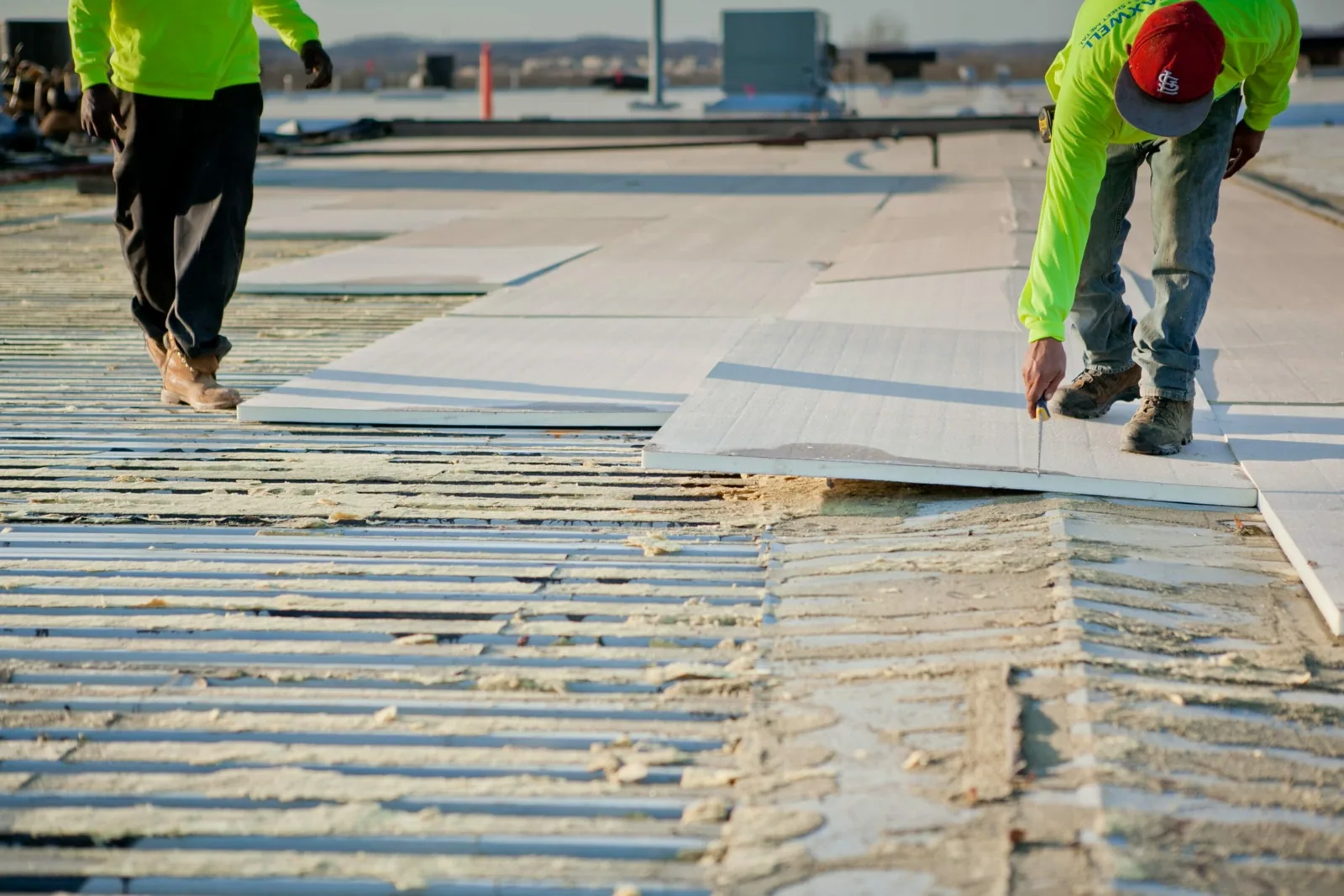
Emergency Commercial Roof Repair in Daly City
Call for around-the-clock commercial roof response in Daly City, with safe access, temporary dry-in, and a defined permanent repair scope.
A roof opening during an active leak turns the next safe access decision into the first priority. We answer calls around the clock, then establish what is known: where water is entering, what area is affected, who can authorize roof access, and whether conditions allow a crew to work safely. In Daly City, the first visit is focused on limiting exposure and protecting the building, not promising that a visible stain reveals the source. We inspect the accessible area, record the condition, and choose a temporary measure that fits the roof assembly.
The permanent scope follows when the water path and repair boundary can be checked. Our emergency notes distinguish temporary protection from a completed repair, and identify any test or return visit still needed. That is useful for the general contractor coordinating occupants and trades. City materials identify healthcare, retail, and small business as important parts of Daly City's economy, but no district or industry fact tells us the operating conditions inside a particular building. Each property in the Daly City response area gets its own access plan, confirmed directly with the site contact.
First call: what we ask for
We ask for the roof hatch or exterior access route, the best contact at the property, and the location where water is appearing. A photo from inside can help identify the affected room, but it cannot establish the roof opening. The building team should keep people clear of wet ceilings, electrical equipment, and any area where materials may be loose. If the roof cannot be reached safely because of weather or another hazard, we can discuss interior protection while the site contact coordinates a safe inspection window.
Our dispatch records the time reported, conditions described, and any access restriction. We then plan the smallest safe work area that can protect the building. The roof crew needs to know whether other trades are active, whether equipment must remain powered, and who can approve opening or closing a work area. An emergency response is a working sequence, not a guess at arrival or repair duration. If a permanent fix is not yet supported, the call notes say what remains to be confirmed.
Temporary dry-in: protection with an owner
Temporary protection is selected for the exposed detail and the conditions on site. A tarp or temporary membrane needs a secure attachment and a route that does not create another water path. We avoid placing loose material where wind or drainage can move it, and we do not cover a defect in a way that hides a larger concern without recording it. The crew photographs the temporary work, marks the affected roof area, and identifies how the building team can tell whether the protection has shifted.
The dry-in boundary also needs an owner. We confirm who will monitor the temporary detail and who can authorize a follow-up visit. If the building remains occupied, the interior team may need a separate way to protect inventory, equipment, or a tenant area below. A documented leak trace can follow once the roof is safe to inspect. Temporary protection is not represented as the permanent repair or as proof that all moisture has been located.
Triage: inspect the reported area and its neighbors
When access is safe, we inspect the reported area and adjacent details that could carry water. Seams, penetrations, walls, drains, edges, prior patches, and equipment curbs all deserve context. We compare the roof condition with the interior report and note which observations point toward a source. If wet insulation or a concealed deck condition is possible, a test opening may be needed after temporary protection is in place. The crew does not expand a repair beyond the area that evidence supports.
The nearby airport station records just 0.18 inch of normal precipitation across June, July, and August, with none in July. Those NOAA figures are station normals, not a forecast for a project day. For emergency roof work, the crew still checks live site conditions before opening a wet area and plans a closeout point that can be secured before the shift ends. The dry-season baseline is useful for maintenance planning, not a substitute for a current weather and safety check.
Occupied operations: keep the building working
Emergency work can interrupt the roof route, a loading path, or a tenant space below. We coordinate an access window and isolate the work zone before carrying material through the building. The general contractor or facilities contact identifies areas that must remain open, equipment that cannot be shut down, and any check-in procedure the crew needs to follow. If the repair is near a customer entrance, the site team can establish a protected route before work begins. The crew reports when the temporary detail is secure and when permanent work can be scheduled.
Pacifica's planning recognizes commercial areas at district centers and along Highway 1. South San Francisco's economic-development program supports biotechnology and the broader business community. Those facts point to different regional operating contexts, but they do not tell us how an individual emergency site is used. The GC supplies the relevant access and service constraints. We confirm a safe route, isolate the work area, and name who owns the temporary closure before material comes off the roof.
Permanent repair: define the lasting fix
After the site is protected, we define the lasting repair from the roof condition. The scope can include compatible membrane work, seam repair, flashing reconstruction, drain correction, or replacement of wet material. We state what has been confirmed and separate any concealed condition that needs a second authorization. The owner receives a repair boundary and photographs rather than an assumption that the emergency call resolved every possible leak path. If a wider failure appears, we document why it should be handled as a separate evaluation.
We coordinate the return visit with the general contractor, confirm safe access, and keep the temporary-work record attached to the permanent scope. Closeout notes identify the installed material, repaired detail, and any monitoring or maintenance item left open. If a broader capital decision follows, our roof condition report can separate the emergency repair from adjacent areas not included in the work. This keeps the next project decision tied to clear evidence.
After the temporary work is secure, we leave a short handoff for the person responsible for the next shift. It identifies the protected roof area, the route to reach it, and any condition that could change before the permanent visit. The contact can compare a new interior report with the original location and call us if the protection moves or water returns. That record keeps the response tied to a specific roof zone instead of a broad assumption about the whole building.
If the permanent scope involves a verified opening, our commercial roof repair work follows the confirmed membrane and flashing condition. A follow-up roof walk can check adjacent details before the crew returns. When the system is known, the repair method has to fit it, whether that means a TPO seam or flashing detail or another assembly. At a healthcare property, the site contact also defines which access paths and interior functions must stay clear.
Questions About Emergency Commercial Roof Repair
Commercial Roofing Questions
Can we call after normal business hours?
Yes. Emergency response is available around the clock, including weekends and holidays. Safe access and site authorization still have to be confirmed.
Will the first visit locate every leak?
The first visit focuses on safe protection and the reported area. We describe any test or follow-up needed to confirm a concealed water path.
Can you work while occupants are inside?
We coordinate access and protect the work zone with the property contact. Some work may require a temporary restriction below or above the roof.
When is the permanent repair scheduled?
We set the return scope after the roof can be inspected safely and the repair boundary is clear. Material, weather, and access conditions affect sequencing.
More Commercial Roofing in Daly City
Request an emergency response
Call when water is entering or a roof area needs urgent protection. We will confirm safe access, site authorization, and the immediate dry-in need.