
Commercial Roofing in South San Francisco, CA
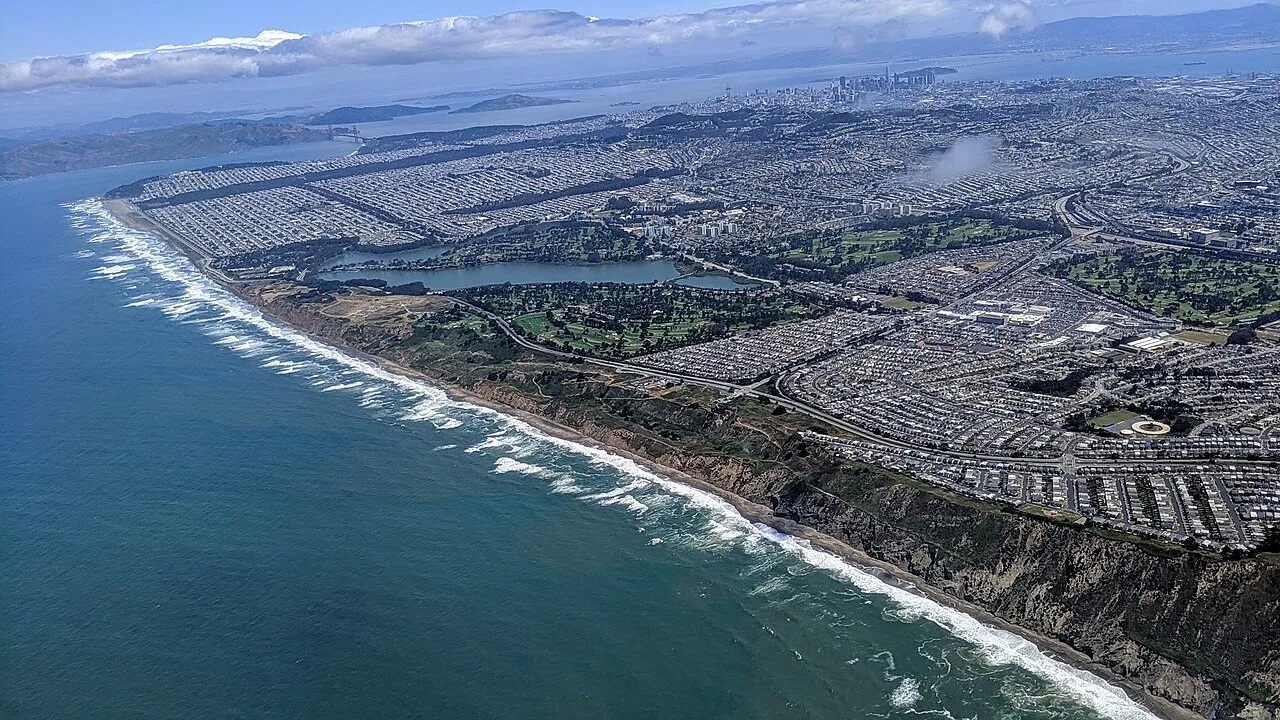
South San Francisco in Daly City
Commercial roofing in South San Francisco, CA: inspections, repairs, and reroofs for Lindenville, Oyster Point, and Southline area buildings.
Three specific plan areas shape how South San Francisco, CA describes its commercial districts: Lindenville, Oyster Point, and Southline. The city's planning materials also say it supports biotechnology and the wider local business community. A roof on any building in that mix belongs to an operation that cannot simply stop, so the useful first question is what happens under the roof, and what the roof must tolerate from the activity above and below it.
Our work on low-slope and metal commercial roofs runs from repair and recovery to replacement, coating, and maintenance. In South San Francisco, the scope starts with the building's operations: where exhaust leaves the building, where equipment is serviced, and which areas cannot take dust, odor, or interruption. Those answers shape the membrane, the sequence, and the access plan more than the square footage does.
Planning areas: Lindenville, Oyster Point and Southline
Shape SSF, the city's General Plan, was adopted in 2022, and the specific plan areas it lists give us three names to use when a client describes a property. They are planning labels. They do not tell us what roof a building has or what it was built for, so we do not guess. A first visit establishes the membrane, the layers, the deck, and the equipment, and the scope follows from what we find.
Where an owner holds more than one building in a plan area, we recommend a consistent approach: a written condition report for each roof, ranked by urgency, so repair dollars go to the roofs that need them first. A roof near the end of its life is a capital item, and a roof with a few correctable defects is a maintenance item. The difference is worth knowing before a budget is set.
Edge conditions deserve attention in any plan area. Coping, edge metal, and parapet flashing take wind and water first, and a loose joint admits moisture long before a stain appears inside. We check fastener spacing and sealant condition, and we repair or replace the metal at the same time as the field work so the new membrane does not end at a failing edge.
Roof exposure: Exhaust, chemicals and rooftop equipment
Buildings that support laboratory or process work often carry exhaust fans, ductwork, and chemical storage on the roof. Whether a particular building has them is a question for the walk-through, but when it does, the membrane choice changes. Exhaust that deposits oils, solvents, or condensate on the surface can degrade some membranes faster than others. A PVC or KEE membrane tolerates that exposure better than many alternatives, and we check what lands on the roof before recommending a system.
Equipment adds its own details. Each curb, pipe, and conduit penetration is a place where the membrane is cut, and the number of cuts rises with every tenant improvement. We map the penetrations, check which are in use, and flag abandoned ones for removal or proper sealing. Walk routes to equipment are marked so technicians do not wear a path across the field.
Rain timing: The airport station record
Rainfall for planning is read from NOAA's San Francisco International Airport station. The reading comes from one station and is not a South San Francisco measurement; it shows 16.76 of 19.64 normal inches between November and March, with only 0.18 over the summer.
For an operating facility, that pattern is the planning calendar. Tear-offs and adhesive work belong in the dry months, and a building that cannot tolerate a long open roof should be phased in small bays. Winter leaks are handled with emergency roof repair, available all night and on holidays, starting with a temporary seal and notes on the findings.
Operations: Reroofing above a working building
A building that cannot stop operating needs a roofing plan that fits its schedule. We ask which areas under the roof are sensitive, which hours are quiet, and where air intakes sit, then build the sequence around them. Bays are small, debris is chuted to a protected container, and intakes are covered or shut down during tear-off with the facility's approval. This is the same approach we use for any occupied building reroof.
Trade coordination is part of the plan. When a mechanical contractor is replacing equipment, curb work goes ahead of it. If a tenant improvement will add rooftop units, we flash for them in advance. The plan names the person who owns each opening, so a late-arriving unit does not leave a hole.
Handoff: Keeping the roof closed after we leave
Roofs above working buildings get visited. Filter changes, belt checks, and equipment swaps put technicians on the surface several times a year, and each visit is a chance for a dropped tool or a worn path. Before we leave, walk pads go along the service routes, and we show the facility team where the membrane edges and flashing limits are. A short list of dos and don'ts for the roof hatch is more useful than a long manual.
We also set a rule for new penetrations: any trade that needs to cut the roof calls first, so the cut is flashed correctly and recorded. A conduit that gets a bead of sealant today is the leak investigation of next winter.
Questions About South San Francisco
Cost and code: Details, phasing and the permit path
The estimate follows the details: penetrations, curb heights, wall flashing length, drains, and the count of access windows. Phasing around operations adds days, and special protection for sensitive areas adds materials. The membrane type affects price, as do insulation thickness and the cost of removing what is there.
Permit rules come from the city that issues them. Daly City moved to the amended 2025 state building code on January 1, 2026, and its Building Division reviews plans there; South San Francisco keeps its own process. For a South San Francisco project, we confirm the applicable code cycle and the local permit process before insulation values and fastening patterns are set.
An owner choosing between a recover and a tear-off should expect the answer to come from test cores and moisture readings, not from the age of the roof alone.
Closeout: Records for operations and for lenders
Our closeout names the layers, the wall and curb details, and the drain test result. It records which penetrations are live and which were sealed. An operator can use it for maintenance planning, a lender can use it for due diligence, and a future roofer can use it to find the limits of the system.
For owners who hold buildings in Brisbane, San Bruno, or Daly City as well, the same format keeps every building in one file system, and a scheduled maintenance program can follow each roof through the seasons.
Commercial Roofing Questions
What if our exhaust lands on the roof surface?
We identify what the exhaust carries and where it discharges, then choose a membrane that tolerates it. PVC and KEE are common picks for oils and fats. We also look at splash pans and discharge height.
Can a facility keep running during a reroof?
Often yes. Small bays, covered air intakes, and scheduled quiet hours limit the effect below. The facility's own rules come first, and we write them into the sequence.
Do the specific plan areas change the roof scope?
The labels describe planning, not roofs. Two buildings in the same area can have different membranes, layers, and equipment, so each one gets its own walk and its own scope.
How are abandoned penetrations handled?
Each is identified, checked for use, and either removed and sealed or capped with a proper flashing. The closeout record lists them so the next tenant does not reopen an old hole.
When should a multi-building owner schedule inspections?
Early fall, before the first big rain, gives time to clear drains and repair small defects. A second look in late spring finds winter damage while the dry months remain.
More Commercial Roofing in Daly City
Send the building details and the operating limits
Share the plans, the roof condition, and the hours and areas that cannot be disturbed. We will walk the roof and return a scope with a sequence that respects your operation.