Manufacturing Plant Roofing in Daly City, CA
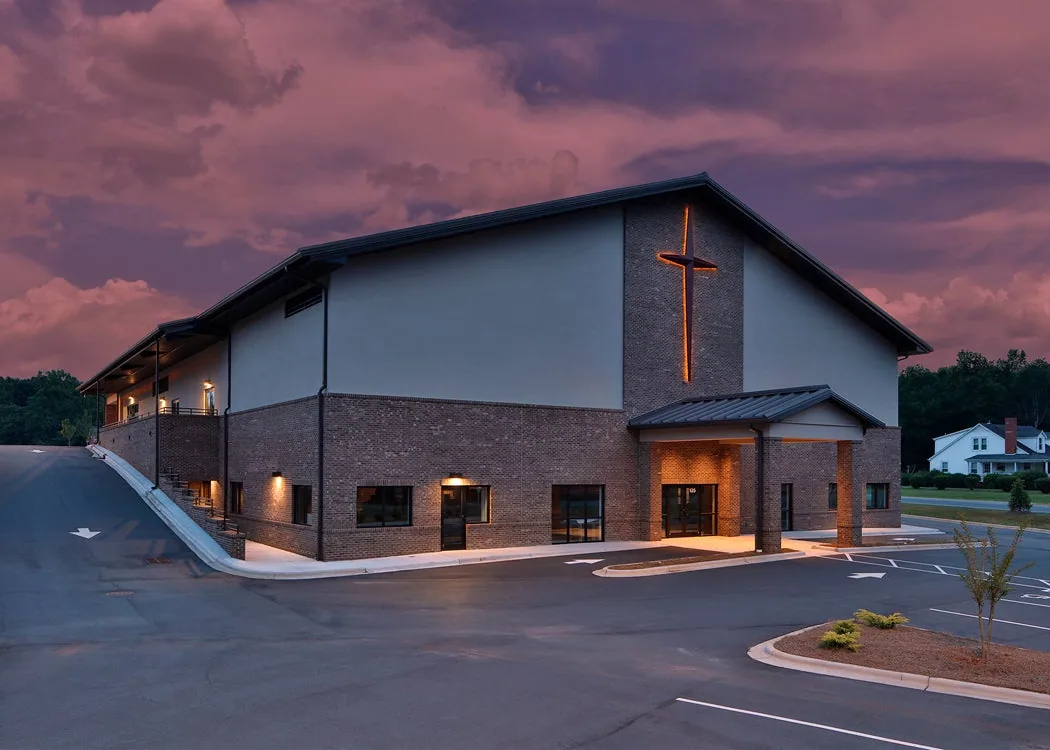
Manufacturing Plant Roofing in Daly City
Manufacturing plant roofing in Daly City, CA: process exhaust and chemical exposure, shutdown windows, hot-work permits, and crowded rooftop equipment.
A production line has a shutdown calendar, and the roof job either fits inside it or does not happen. For a manufacturing plant in Daly City, CA, the first conversation is with the plant engineer about which weeks have the fewest running lines, which exhaust stacks can be idled, and where a hot-work permit would trip the fire watch rules. Only after that do we choose a membrane or a tear-off boundary, because the schedule decides how much roof can be opened at once.
Manufacturing roofs carry more than weather. They hold exhaust fans, makeup air units, process piping, and sometimes dust or vapor discharge that lands on the surface. We repair, replace, coat, and maintain these roofs, and we plan the work around production, safety rules, and the equipment on top.
Exposure: Map what leaves the building
Exhaust from process lines can be hot, oily, or chemically active, and it settles on the roof near each stack. We walk the roof to locate the discharge points, photograph staining, and note blistering or softening in the membrane nearby. The plant engineer can tell us what the exhaust contains, and we match that information to the membrane options. A PVC membrane or a KEE-modified sheet may suit a roof with grease or chemical exposure, while a standard membrane may be fine elsewhere on the same roof.
The exposure map also shapes maintenance. Areas near fans may need protective pads, extra inspection, or a different coating. We write the map into the closeout so that future work does not place a new vent over a sensitive seam. If the plant adds a line later, the map shows where a new discharge can go without crossing a welded seam or a repaired detail.
Shutdown window: Fit the roof to the plant calendar
Roof work near running equipment raises noise, vibration, and dust, and some processes tolerate none of them. We ask for the calendar of planned outages and list the roof areas that can only be opened during those windows. A tear-off over a clean room or a controlled environment is scheduled with extra protection and a stop rule if conditions change. Areas over storage or offices can be done at other times.
The City describes the Daly City economy as diversified, with professional services, retail and wholesale trade, and manufacturing all represented. A plant with commercial or mixed-use neighbors has to treat noise and truck traffic as impact items for the surroundings as well as the plant. The schedule lists working hours, haul-off times, and street staging so that neighbors know what to expect.
Hot work and permits: Keep ignition sources controlled
Manufacturing plants often have strict rules for open flame, torch-applied membranes, and welding. Flammable dust, solvents, and gas lines raise the stakes. We agree on the permit process at the start, name the fire watch, and choose attachment methods, such as cold adhesives, mechanical fasteners, or hot-air welding, that suit the plant's rules. If torch work is not allowed, the proposal says so and the system changes to match.
Roof-mounted gas lines, conduit, and process piping are marked and protected before work begins. Penetrations may be crowded, and a membrane that is cut around dozens of pipes needs careful flashing. Our rooftop equipment curb and support work covers raised curbs, pipe supports, and pitch pans, and the detail drawings show each one.
Access and safety: Plan the climb, the lift, and the fall line
Plants often have a mix of high bays, low offices, and attached storage, each with a different roof height. Access to the highest roof may be by interior ladder, exterior stair, or lift, and each route affects how materials move. A crew that carries rolls up a ladder works more slowly than one with a crane pick, and the plan states which method applies and who provides the lift or crane. The same planning applies to a neighboring warehouse wing that shares a wall with the production floor.
Fall protection is set at the edge, around skylights, and near any open hatch. Where the roof has no parapet, we install guardrail or controlled access zones. Equipment operators are told where the crew will be working and which areas are off limits for vehicles below. A pre-work walk with the plant safety officer settles these items before the first day.
Wet season: Keep process roofs dry in the cool months
The NOAA normals at San Francisco International Airport show 16.76 inches of rain from November through March, which makes the cool season the time when a roof opening carries the most consequence. A station record is not a measure of any one plant, but it explains why roof openings over production areas are kept small and closed daily during those months.
The plan also covers temporary protection, since an opened roof over a production area is the highest-consequence condition on the job. Plastic over equipment, drains plugged against debris, and weighted covers on open edges are listed with their owner. If the weather turns, the crew stops and seals the area before the front arrives. A written log of weather decisions goes into the closeout file with the inspection photographs.
Questions About Manufacturing Plant Roofing
System choice: Pick for the discharge and the equipment
The roof must tolerate not only weather but traffic from maintenance crews. A thicker membrane or walk pads at service routes reduce punctures. Insulation and cover board choices follow the building's energy and fire requirements, and they affect curb heights and wall flashing. Where a roof has been recoated many times, a full replacement may be the cleaner path.
Brisbane's planning allows light fabrication in its Crocker Park Trade Commercial area, and South San Francisco supports biotechnology and the broader local business community. These are neighboring contexts for industrial roofs, not statements about a given plant. We design from the roof in front of us, test for moisture, and offer a preventive maintenance plan after completion.
Cost and code: Separate protection from membrane
The membrane is often the smaller part of a manufacturing roof budget. Protection of equipment, shutdown overtime, permit coordination, and detail work at crowded penetrations can add up. We show each in the proposal, so the plant can see which items are driven by the production schedule and which by the roof itself.
Manufacturing roof permits should be timed to the right code edition: Daly City began using local amendments to California’s 2025 standards on January 1, 2026. Title 24 plan review and site inspections are assigned to the Building Division. Deliveries arrive via Interstate 280 and Highways 101 and 82. Utility shutoffs, crane permits, and street closures, if any, are listed with who applies for each. The permit status and delivery plan sit in the project file for Daly City work, and a similar approach fits a flex industrial building.
Commercial Roofing Questions
Can roof work happen while the line is running?
Over many areas, yes, with protection. Zones over sensitive processes wait for planned outages, and the schedule lists which zones those are.
Which membrane suits a roof with oily exhaust?
A PVC or KEE sheet is often chosen because of its resistance to oils. We confirm by looking at the discharge and the existing membrane condition.
What if the plant does not allow torch work?
We choose cold-applied, fastened, or welded systems. The proposal states the method and the fire watch plan, and we do not default to open flame.
Who coordinates the rooftop mechanical trade?
Our crew and the mechanical contractor share a written sequence for curb raises and shutdowns. We mark the units on the roof plan and confirm disconnects before cutting.
What should the facility team check after turnover?
Walk pads at service routes, a rule against solvent handling near the membrane, and a short inspection after any trade works nearby.
More Commercial Roofing in Daly City
Related pages
- PVC membrane
- KEE-modified sheet
- rooftop equipment curb and support
- warehouse
- preventive maintenance
- Daly City
- flex industrial
Browse by category
Send the shutdown calendar and equipment list
Share outage dates, exhaust information, and access limits. We will walk the roof and define a plant roofing scope that fits production.