
Distribution Center Roofing in Daly City, CA
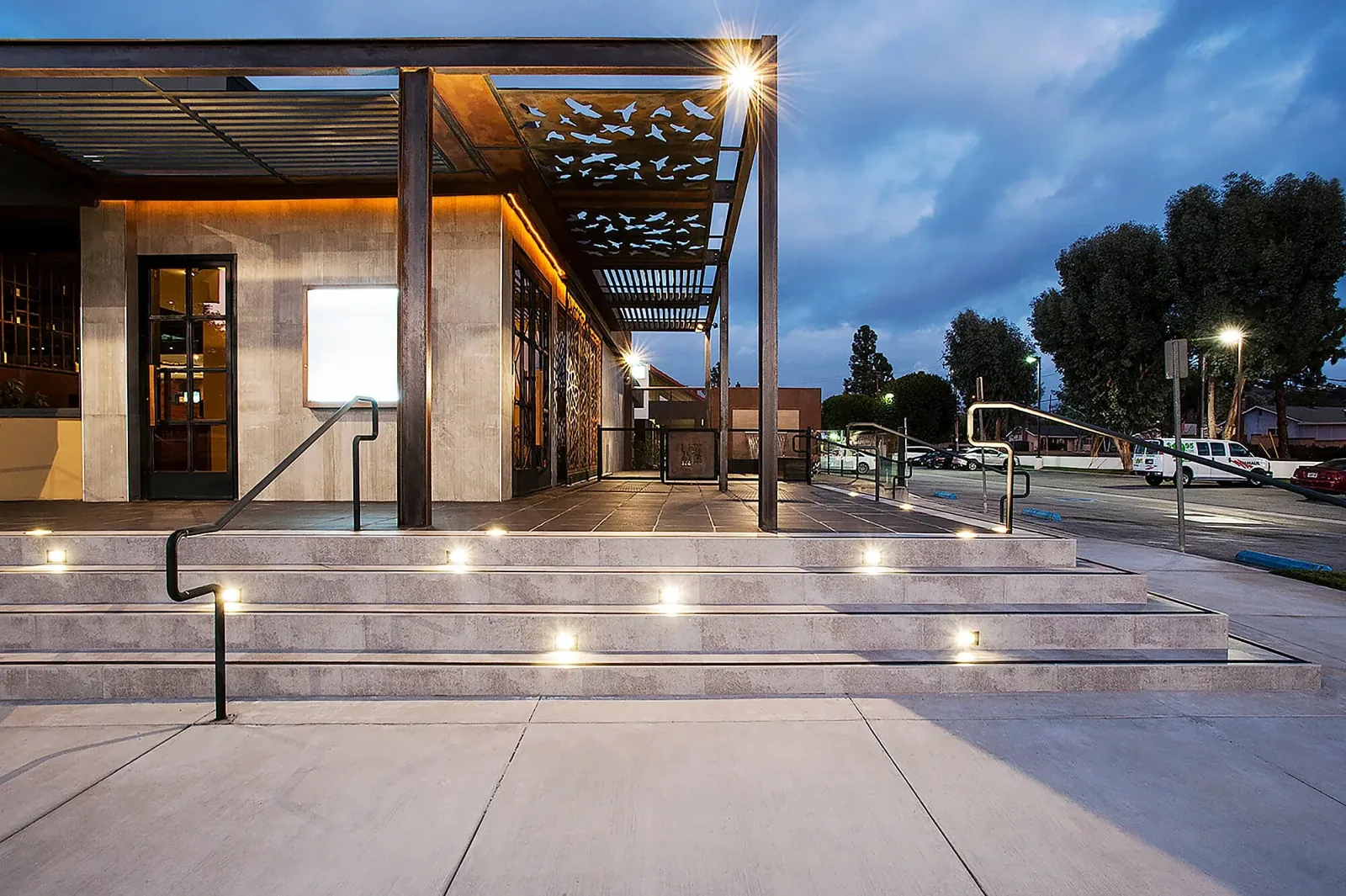
Distribution Center Roofing in Daly City
Distribution and fulfillment center roofing in Daly City, CA: round-the-clock operations, sorting equipment below, dock edges, drains, and phased reroofing.
A fulfillment building does not have a quiet shift, so the roof schedule has to fit a floor that is sorting, loading, and shipping at all hours. The work sequence for a distribution center in Daly City, CA starts with the operator's calendar: peak periods, shutdown windows, and the zones where conveyors or sortation equipment make a leak expensive. Before we price anything, we ask which parts of the roof sit over equipment that cannot be moved and which sit over open floor that can.
Distribution centers combine very large low-slope roofs with continuous operations and tight dock schedules. We repair, replace, recover, coat, and maintain those roofs, and we plan the work so that the building keeps shipping while crews are overhead.
Field condition: Read the roof against the floor plan
The walk starts inside. We note the sorting lines, the mezzanines, the sprinkler mains, and any areas with past water damage. Then we match those to the roof and find the drains, curbs, and skylights above them. A drain bowl over a conveyor line is a higher priority than the same drain over empty floor, even if the two look identical from the roof.
On the roof, we check seams, flashing, and the condition of the membrane around rooftop units and dock canopies. We photograph standing water and note where it sits after rain. The result is a ranked list of roof areas that pairs each condition with what is below it, so the operator and the general contractor can decide where to start and what to protect. Areas that can wait are listed with a monitoring plan, such as a drain check after the first storm, so a deferral never means no one is looking.
Phasing: Release the roof in zones
A large roof is replaced in stages. Each zone is torn off, dried in, and inspected before the crew moves on, and interior protection goes up before the first cut. The operator receives a daily notice that names the zone, the hours of noise, and any areas where overhead work limits floor activity. If the sorting floor has a quiet period, the loudest tasks, such as tear-off and fastening, can be scheduled in that window.
Daly City’s economy includes retail, healthcare, and small businesses, with employment connections to San Francisco and San Mateo County. Those regional links do not determine a distribution building’s loading or roof requirements. Job centers close by are a reason for dependable delivery windows, and a roof delay lands directly on shipping dates. Phasing is written to protect that schedule without leaving any open roof overnight.
Dock edges: Protect the perimeter where trucks work
Dock canopies, parapets, and edge metal take more abuse than the field of the roof. Trucks bump canopies, gutters sag under debris, and coping caps loosen from thermal movement. We inspect these edges and plan repairs or replacements that match the field system. Edge metal and coping work is scheduled to finish before the membrane is accepted, so that no dock door is left with a temporary seal for weeks.
Drainage at the dock is also a safety issue. Water that spills over a canopy and falls on a truck court can create slip hazards and stain walls. We route canopy drains to downspouts or splash blocks and note any location where the grading below the canopy sends water toward a door. If a drain line is shared with the building, we confirm where it discharges before any change, so that the owner is not surprised by water in a place that used to stay dry.
Rooftop equipment: Coordinate units, solar, and conduit
A distribution center often carries a long row of rooftop units and, increasingly, solar arrays. Each one touches the roof through a curb, rail, or conduit run, and each is a place where the membrane must be flashed correctly. We work with the mechanical and electrical trades to schedule curb raises and reflashing so that equipment is not left unsupported or disconnected longer than needed.
Where the owner is planning solar, solar-ready roofing means picking a membrane and attachment that can accept the array and be inspected beneath it. The roof plan marks conduit paths and walk routes. The aim is to avoid cutting a finished membrane for a connection that could have been planned in advance. Every opening that must be made later is listed with a location and a flashing detail, which turns a future cut into a short, scheduled task.
Trade handoff: Keep the sprinkler and racking crews informed
Fire protection and racking contractors work close to the roof deck, and their schedules intersect ours. Sprinkler mains hang from the structure, and a roof opening or fastener that reaches too far can strike a pipe. We confirm fastener lengths against the deck and the lines below, and we tell the fire protection contractor when roof work will pass over a main so that any isolation or inspection can be arranged.
Racking installers, lighting crews, and controls contractors may also need roof access for vents or sensors. A shared access log prevents two trades from opening the same area. Buildings of a similar type, such as flex industrial sites, use the same log approach, and the closeout shows which trade made each roof opening and how it was flashed.
Questions About Distribution Center Roofing
System choice: Weigh recover against tear-off
On a large roof with sound insulation, a recover may save time and disposal cost, as long as moisture checks come back clean and the structure can carry the load. A PVC or TPO membrane can be installed over cover board, giving a clean surface for the new system. Where insulation is wet, tear-off is the safer route.
Most of the nearby airport station’s normal rain arrives during the cool season: 16.76 inches falls from November through March. The record is regional context; inspect the property’s drains and roof slopes directly. For scheduling, that means large tear-off areas fit the dry months, while the cool season is reserved for smaller zones and repairs.
Cost and records: Show the price by zone
A zone-by-zone price lets the owner trade off schedule and cost. It also supports internal approvals, since each zone has a scope, a start date, and a closeout record. We include the disposal route, the crane or lift plan, and the traffic plan for trucks arriving by Interstate 280 or Highways 101 and 82.
The permit schedule for a distribution facility should follow Daly City's locally amended 2025 California standards, in force since January 1, 2026. The Building Division is responsible for Title 24 plan review and field inspections. The permit status goes in the project file along with the zone schedule. Owners of Daly City facilities can use the same record for capital planning across a portfolio, and a warehouse with similar framing can use the same sequence.
Commercial Roofing Questions
Can a fulfillment center keep shipping during reroofing?
In most cases, yes. We split the roof into zones and protect the floor below. Peak weeks can be kept free of loud work if the schedule is set early.
What roof areas matter most over sorting equipment?
Drains, curbs, skylights, and seams directly above conveyors and electrical gear. We rank those first and often repair them before the larger replacement.
Do we have to shut a dock door during canopy work?
Sometimes for a few hours. We schedule canopy edge work for slow periods and agree on the door closure with the operations manager ahead of time.
How do we handle rooftop units during a recover?
Curbs are raised to match the new roof height and reflashed. The mechanical trade disconnects only what it must, and we sequence the work to keep downtime short.
Can solar be installed after a new roof?
Yes, with planning. We note structural limits, conduit routes, and attachment types so the array does not damage the membrane.
More Commercial Roofing in Daly City
Send the operating calendar and plans
Share peak dates, equipment layouts, and dock schedules. We will define a phased distribution center roof scope that fits the building's operating needs.