
Commercial Roof Warranty Management in Daly City, CA
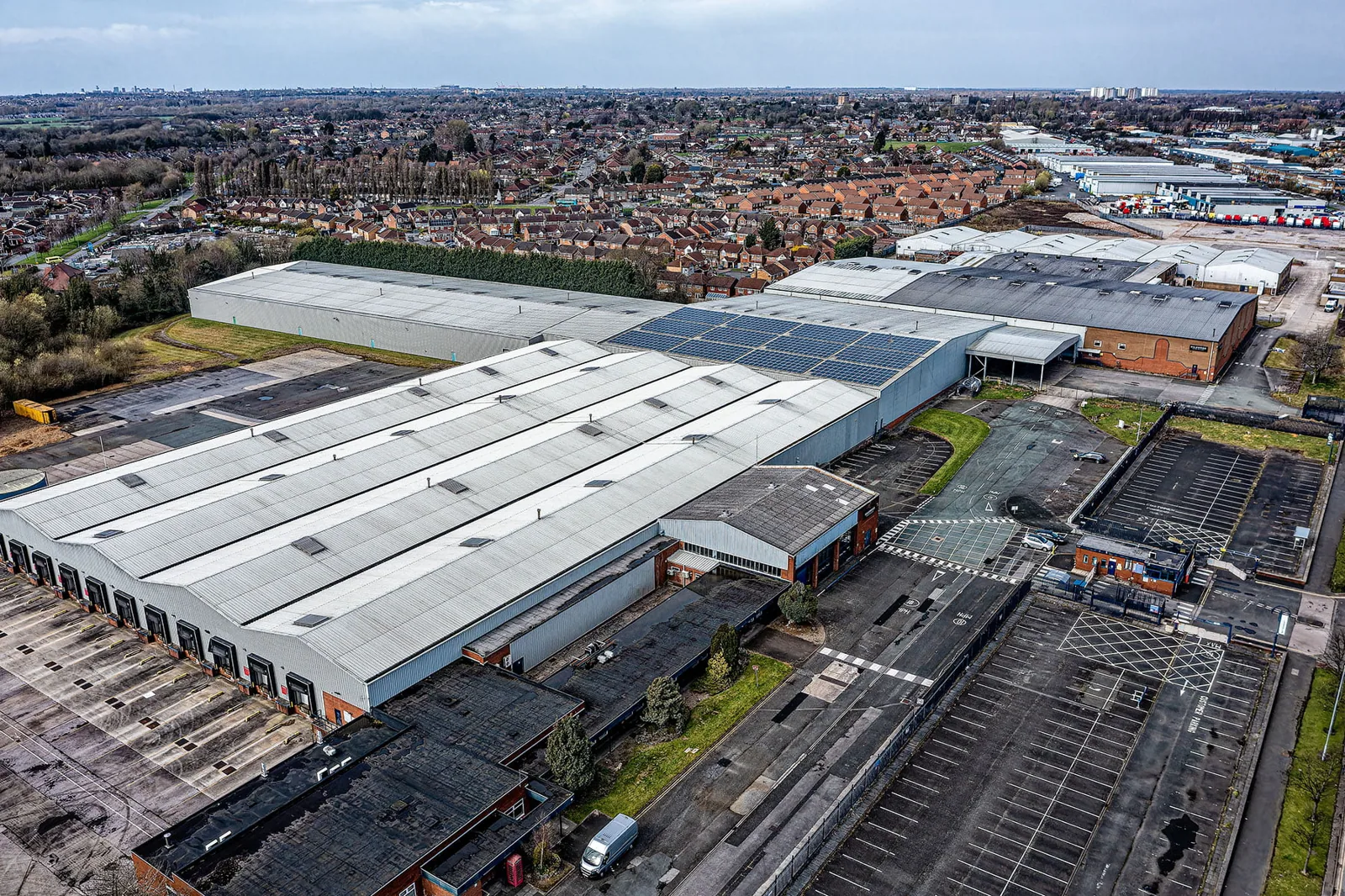
Commercial Roof Warranty Management in Daly City
Organize commercial roof warranty documents, inspection records, repair notices, and service history for Daly City properties, with clear ownership duties.
A roof warranty file is only useful when the owner can match its terms to the installed assembly, roof area, and maintenance record. For a general contractor or property manager in Daly City, the first step is to gather the issued documents, project closeout, system details, and any amendments supplied by the owner or manufacturer. Mission Street, Geneva Avenue, Westlake, and Serramonte are local commercial settings, but those place names do not identify a building or establish warranty coverage.
The nearby San Francisco International Airport station records a concentrated cool-season wet period, which can make timely drain observations and repair documentation relevant to the roof record. The station data do not define a warranty duty. We track the terms actually issued for each property and separate owner obligations, manufacturer procedures, and contractor work history so a later service call can be evaluated against the correct file.
Document Match: Tie the Warranty to the Installed Roof
Start by identifying the property, roof zones, system type, project date, installer or manufacturer documents available, and any stated exclusions or required inspections. Confirm that the warranty pages correspond to the installed assembly and that later additions or repairs are recorded separately. A product invoice, submittal, or closeout photo may help locate details, but it does not replace the issued warranty document or change its terms.
A roof asset file can store the document beside the map, repair history, and next review date. A commercial roof inspection can record current visible conditions without implying that the inspection itself renews or extends coverage. Keep the named roof area and system aligned across the warranty record and Diligence Notes. If the file covers only a portion of the building, mark the boundary so future staff do not assume every roof section is included. Confirm that the roof plan uses the same identifiers as the document and keep any later section additions outside the covered boundary until the owner verifies their status. This prevents a system name from being mistaken for coverage of every adjacent canopy, addition, or alteration.
Maintenance Record: Preserve the Work and the Notice Trail
Each maintenance visit should note the date, roof areas accessed, visible conditions, drain and flashing observations, and any repair performed. Keep photographs labeled by zone and preserve work orders, invoices, and owner approvals. If the warranty document requires a notice or a particular repair procedure, follow the written requirement and record when the owner submitted the notice. Do not substitute an informal email trail for a required form or manufacturer process.
A maintenance visit can produce a dated record of observed conditions and completed work. A condition report can distinguish an active defect from an area needing follow-up. If a repair is required, a repair scope should identify the materials, limit, and completion record. The warranty file should keep those records together without suggesting that every maintenance issue is covered or that a service visit determines acceptance of a claim.
Inspection and Change: Track What Alters the Roof Assembly
Equipment replacements, new penetrations, added walkways, rooftop screening, or later trade work can affect details that were part of the original assembly. Before another trade proceeds, identify who owns removal, reset, flashing, and inspection at each tie-in. Record the changed area and the document or approval associated with it. If the original warranty has conditions for alterations, the responsible party should confirm the required process before work begins.
For Daly City permits, the Building Division is the point for construction plan review and field inspections; warranty closeout should retain the applicable permit record. Retain permit and inspection records supplied for the project, while keeping them distinct from manufacturer warranty correspondence. A curb and equipment detail review can document visible transitions and support conditions; the warranty record should state the work boundary and which party performed it. This distinction helps a general contractor coordinate a trade handoff without assuming the warranty holder has accepted an undocumented change.
Seasonal Review: Keep Drain Checks and Warranty Records Together
The nearby airport-area normal concentrates 16.76 of 19.64 annual inches in November-March. Warranty inspections can be scheduled with that wet season in mind, while roof-specific triggers come from the actual warranty. That is a nearby station record, not a citywide Daly City measurement. A pre-rain inspection can still document accessible drains, scuppers, seams, and transitions, then file the observations with the correct roof section. If the owner sees an active leak, record the date, interior location, weather information supplied, and any temporary action before the permanent repair is scoped.
Summer is especially dry in the station record: July carries no normal rainfall, August has 0.04 inch, and the full June-to-August period totals 0.18 inch. That seasonal contrast may inform scheduling, but current weather and product instructions control installation. A drain review can note visible maintenance needs; it does not establish whether a later water issue is a covered defect. The owner should compare the event record with the actual warranty terms and retain any required notice or inspection documents.
Claim Boundary: Separate Covered Work from Other Conditions
When a reported condition may involve warranty coverage, gather the installed-system information, roof-zone map, dated photographs, maintenance records, and prior repair details before proposing work. Identify which observation is new and which existed earlier. If the cause is unclear, state what inspection or access is needed before making a claim-related conclusion. A report should describe visible evidence and preserve uncertainty where the assembly is concealed.
San Francisco has a broad commercial core; Pacifica’s commercial activity is distributed among district centers and Highway 1. A regional warranty register should name the municipality and governing document for each roof. Those adjacent market references do not establish whether a particular building's warranty applies or which party is responsible. For a property in Pacifica, keep its documents and repair history under its own building record. A capital review can then track non-covered repairs or future replacement as a separate decision from a warranty inquiry.
Questions About Commercial Roof Warranty Management
Handoff: Make the File Usable After Staff Changes
At handoff, list the issued warranty documents, roof areas they cover, contact and notice instructions stated in the file, maintenance dates, repairs, open questions, and upcoming review dates. Identify any record the owner still needs to obtain. Keep the final document set accessible to facilities and ownership staff rather than only to the person who managed the original installation.
For a roof portfolio with assets in Daly City, San Francisco, and Pacifica, assign each building an independent file and do not carry a term from one system to another. The building and assembly determine which document applies. A multi-site record can standardize storage and status fields while preserving each property's boundaries. That gives the next GC a clear starting point for service, planned work, and a trade handoff. Note who last reviewed the file and who now owns the next notice or inspection action. If a manager changes, the new contact should be able to locate the original issue and any response, not just the newest invoice. A dated log keeps the chronology clear when maintenance, repair, and capital planning overlap.
Commercial Roofing Questions
Does a maintenance visit extend a roof warranty?
The issued document controls. A visit can create a useful condition record, but it does not by itself change warranty terms.
Which documents should stay with a roof warranty?
Keep the issued warranty, closeout details, assembly information, roof map, dated inspections, work orders, repairs, and required notices together.
How should later equipment work be recorded?
Identify the affected roof zone, who handled removal and flashing, the work date, and any approval or inspection record tied to the alteration.
Does a leak automatically qualify for warranty work?
No. The cause, covered area, exclusions, maintenance history, and notice procedure in the issued document need to be reviewed.
Can one warranty file cover several buildings?
Only if the issued documents say so. Keep each building, assembly, and covered area identifiable even when storage is centralized.
More Commercial Roofing in Daly City
Organize the roof warranty record
Share the issued documents, roof plans, service history, and repair records. We can inspect visible conditions and organize the property-specific file for review.