
Roofing for Hotel Owners and Hospitality Groups in Daly City, CA
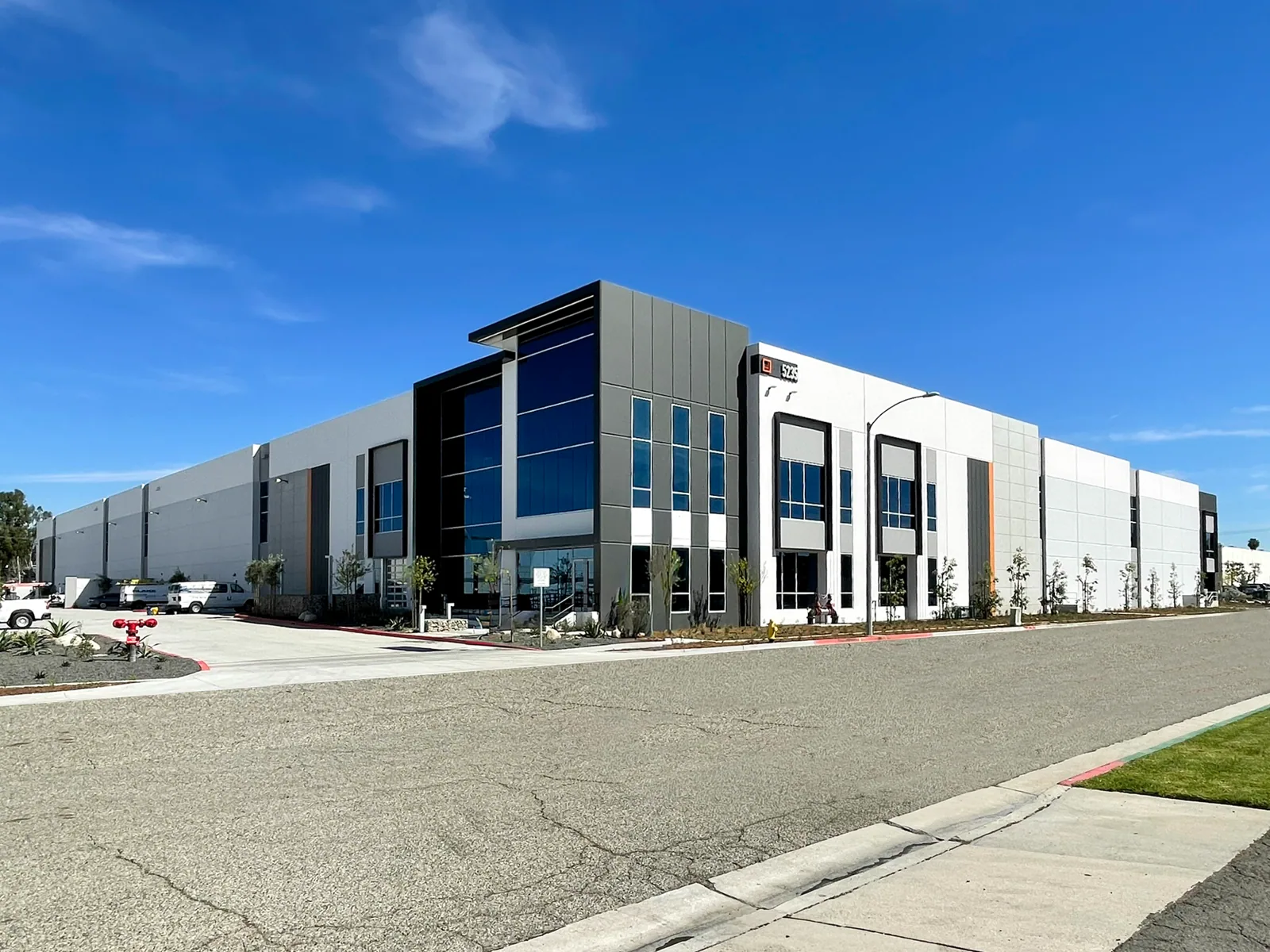
Hotel Owners and Hospitality Groups in Daly City
Roof repair and replacement for hotel owners and hospitality groups in Daly City, sequenced around guest rooms, rooftop equipment and event calendars.
A guest on the top floor does not care how the roof was built; they care that the ceiling is dry and the room is quiet. Roofing for hospitality groups in Daly City, CA starts with that guest-room map: which rooms sit under which roof area, which rooms can be taken out of inventory and what noise carries down through the deck. Millbrae's Downtown and El Camino Real plan includes hotel uses alongside office, retail and residential, and San Francisco's downtown spans Union Square, Yerba Buena and the Embarcadero, so hotel owners in the region face a wide mix of roof types. For a Daly City property, we inspect the roof on its own terms and then write a sequence that lets housekeeping, engineering and the front desk keep running.
The first deliverable is a room-by-room protection plan tied to the roof areas.
Field condition: Look at the roof as a collection of amenities
A hotel roof often holds more than a membrane. Chillers, kitchen exhaust, laundry vents, stair and machine-room bulkheads, antenna mounts and sometimes a deck or lounge all share the surface. We map each use and inspect the membrane and flashings around it. Pavers, planters and deck supports are lifted at sample locations to look at the membrane below. Laundry and kitchen exhaust leave moisture and grease on the roof, so we check the nearby drains and the condition of the membrane around each vent. Where the roof meets a stair tower or a curtain wall, we examine the transition closely, since wind-driven rain tends to find those joints first.
For hotels near downtown San Francisco or the Embarcadero, rooftops may also carry signage, antennas or cell equipment installed by outside parties. We list those attachments and check the flashing around each one, because any cut made through the membrane for a third-party mount has to be resealed to the same standard as the field.
Scope boundary: Keep guest rooms, engineering and the roof separate
The hotel engineering team owns the equipment, the roof crew owns the membrane, and the general manager owns the guest experience. Written scope lines keep those roles clear. We agree on who disconnects and resets rooftop equipment, who covers cooling towers or exhaust during work, and who tells the front desk when a room is affected. Rooms directly below an open roof area are blocked ahead of time, with ceiling and furniture protection in place. We ask engineering to walk the top-floor corridor with us before the first opening so existing ceiling stains are photographed and not mistaken for new damage. Meeting rooms and ballrooms with fixed ceilings get the same attention, since a ballroom with a wet ceiling on the morning of an event is a costly problem. If a leak has already damaged a room, we document it with photographs for the claim file and for the owner's records.
Sequence: Plan around occupancy, events and check-out
Hospitality calendars are public, so roofing has to fit around weddings, conferences and busy weekends. We ask for the quietest weeks and for the hours between check-out and check-in, when the loudest tasks can be done with the fewest guests present. The hoist and dumpster stay away from the porte-cochere and the main entrance, and the delivery route avoids the kitchen receiving area during meal prep. Noise limits and start times are written into the schedule and shared with the front desk. A guest-facing notice can explain the work in plain terms without suggesting a problem with the room.
Daily wrap-up is part of the sequence. At the end of each shift the crew closes every opening, secures loose material against wind, clears the roof of tools and confirms drains are open. The engineering lead signs the daily photograph set before the crew leaves. If a weather change is forecast, we hold the remaining sections until the next dry window rather than leaving a partial opening over occupied rooms.
Weather: Use the dry months and prepare for the first storm
The airport station at San Francisco International logs 16.76 of 19.64 annual normal inches between November and March, with the summer adding just 0.18 inches. A hotel feels a leak immediately in lost room nights, so major roof work belongs in the dry months and the wet months are for drain cleaning and flashing checks. We clear drains and scuppers before November, test the overflow paths and place a short list of storm-day actions in the engineering office. Our emergency response runs around the clock, which matters when a storm hits a hotel on a Saturday night.
System detail: Match the roof to the amenity above it
A rooftop lounge or pool deck needs a different assembly from a plain mechanical roof. Pavers need drainage and protection layers, and planters need a root barrier and a way to flush water. A PVC membrane or TPO may serve a mechanical area, while a protected assembly with a drainage mat may serve an amenity deck. We recommend by use, since foot traffic, furniture loads and water exposure vary, and we detail the edges and drains where guests will walk. Waterproofing under a deck is the layer that gets covered up, so we test it before the pavers or planters go back and photograph the result for the file. A failed deck membrane is expensive to find later, because removing the deck surface to reach it takes the amenity out of service. A hotel roof with a deck over habitable space has less tolerance for water than a plain mechanical roof.
Questions About Hotel Owners and Hospitality Groups
Closeout record: Hand engineering a usable maintenance file
At completion, the engineering team receives photographs of every detail, a marked plan, a material list and a maintenance schedule. A hospitality group that owns hotels in Millbrae, San Francisco or Daly City can keep each property's file in one format. Groups that run restaurants in the same building can share the file with the operator, and owners who use a management company can send them the same package. The file also supports the next brand inspection, because the photographs show the roof condition on a known date.
For groups that renovate guest rooms or lobbies, the roof file travels with the project. A new rooftop unit, a relocated exhaust or a new penthouse changes the roof, and the finished record shows where the flashing was set and who set it. That saves a later crew from cutting into a watertight detail by guesswork.
Commercial Roofing Questions
Can a hotel stay open during a reroof?
Usually, with rooms below the work blocked and the loudest tasks placed between check-out and check-in. The schedule is shared with the front desk and engineering.
What happens to guest rooms if a leak starts on a weekend?
We place a temporary dry-in at any hour, and the engineering team blocks the affected room. The permanent repair is planned for a time when the area can be closed.
How do you protect a rooftop pool or lounge during work?
We close the deck for the duration, lift pavers in marked sections and cover furniture. The finished deck is checked for drainage before it reopens.
Does the new code affect a hotel roof project?
The new code edition took effect January 1, 2026, with the city's amendments, and the Building Division handles review and inspection, so a hotel's permit status gets confirmed before pricing.
Should a hospitality group schedule replacements by property or by brand?
By condition first. Each property's roof is rated, and then the group decides whether to cluster by brand, region or season. We provide the data for both approaches.
More Commercial Roofing in Daly City
Send us the property list
Share the hotel addresses, roof plans, equipment lists and occupancy calendar. We will inspect each roof and return a sequenced scope.