
Roofing for Retail and Restaurant Chains in Daly City, CA
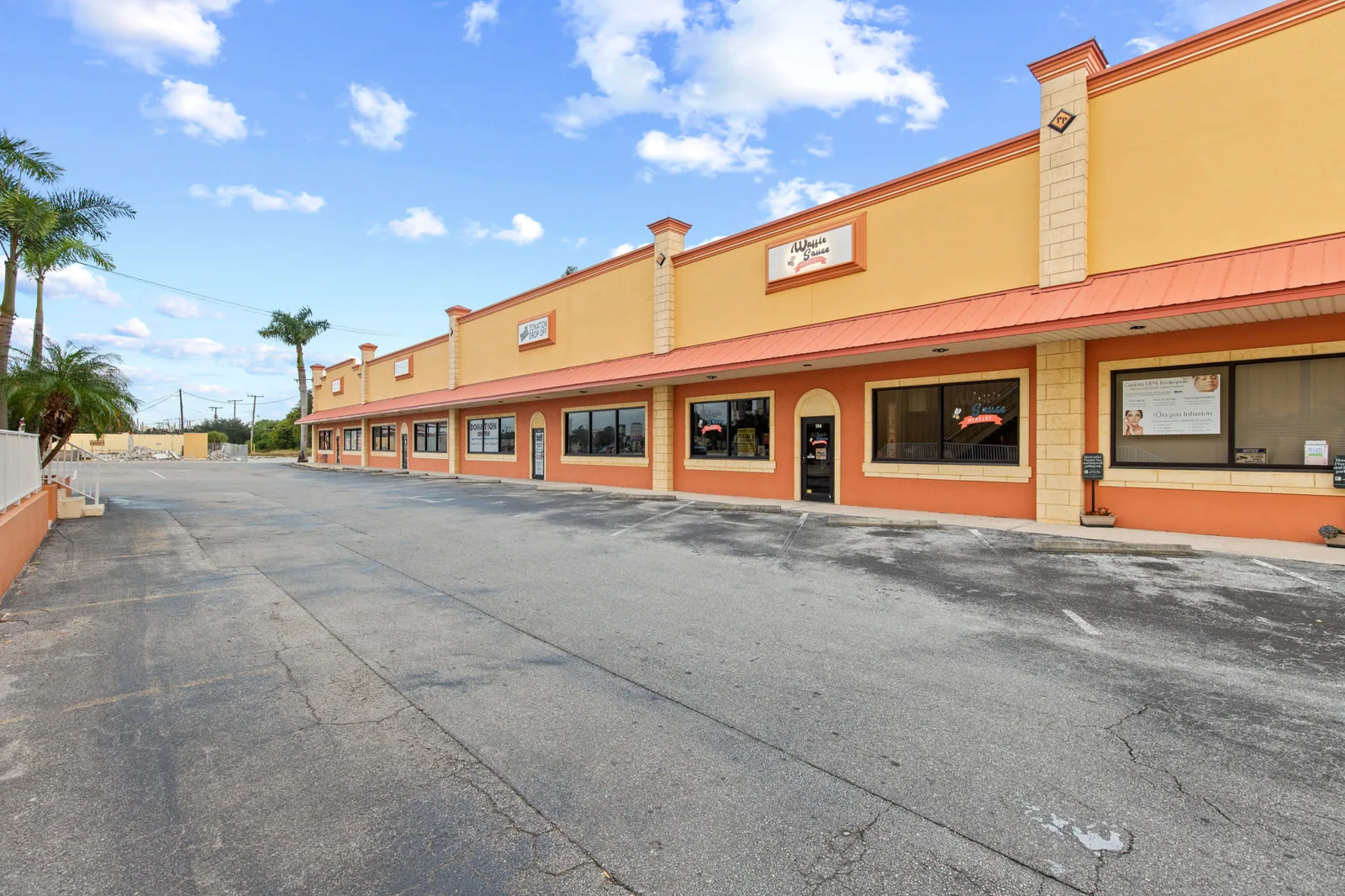
Retail and Restaurant Chains in Daly City
Roof repair, replacement and multi-location programs for retail and restaurant brands in Daly City, planned around open hours and kitchen exhaust.
A restaurant roof collects grease, and a retail roof collects rooftop units, so a chain operating in Daly City, CA has two different roofing problems under one brand. We start by splitting the location list: kitchens with exhaust fans and grease traps on one side, stores with packaged units and signage supports on the other. Daly City names Mission Street and Geneva Avenue as commercial corridors and Westlake and Serramonte as key commercial areas, and its profile places retail among the activities that matter most to the local economy. Those are the settings a facilities lead names when listing store and restaurant addresses. The roof evidence comes from the field, so we begin with a walk and a photo set of every location in the program.
The result is a tiered list: urgent repairs, planned repairs and locations that need only maintenance.
Field condition: Read the exhaust path and the unit curbs
On a restaurant roof, grease is the first thing we trace. Exhaust fans without a working grease containment leave a film on the membrane that attacks some materials and makes walking slippery. We check the fan base, the curb flashing, the grease pan and the drain nearest the kitchen exhaust. On a store roof, packaged units create their own wear, with condensate lines, service foot traffic and refrigerant line penetrations. Each location gets a roof plan that marks every unit, every penetration and every drain, so that service technicians and the roofing crew can work on the same map. Drains near kitchen exhaust are cleared first, since grease can clog them.
Pad buildings and strip-center units add another wrinkle: the roof may be shared with the neighbor next door. Where a parapet or a common roof area separates two tenants, we mark the line on the plan and photograph the existing condition on both sides before any repair. That way a leak that started next door is not charged to the wrong account, and the chain can point to dated photographs if the question comes up with the landlord.
Scope boundary: Respect brand standards and landlord rules
A chain that leases its space may not control the roof, since the landlord can hold that right. We read the roof clause with the facilities lead, confirm who is responsible for membrane repair and who must approve changes, and write the scope so the right party can sign. Signage supports, screen walls and rooftop-mounted equipment have their own connection details and warranty issues, so we list them as separate items and flash them with attention to the attachment points. If a brand standard requires a particular membrane color or reflectance, we note it in the proposal and match it to the existing roof where possible.
Sequence: Work before opening and after closing
Roofing can be loud and sometimes smelly, and a restaurant dining room or a store sales floor is not a place for either. We work around the hours the location is open. For a restaurant, that may mean starting before the lunch rush and finishing before dinner prep, with odor-producing steps timed away from service. For a retail store, crews may begin early and be off the roof before customers arrive, or work after closing. Hoists and dumpsters stay out of customer parking and delivery lanes, and a spotter manages pedestrian crossings. Each location gets a one-page notice for the manager that lists dates, noise and what to do if water appears inside.
Rooftop signs, screens and satellite equipment need a plan too. If a sign contractor must lift a panel or a mechanical contractor must reset a unit, we coordinate the order so the membrane is not cut twice. The roofer sets the new flashing after the other trade finishes its connection, then both trades sign off on the photographs. At a drive-through or a restaurant with an outdoor patio, we also plan where the crew crosses customer paths and mark that route clearly.
Season: Keep roofs sound for the busiest months
San Francisco International Airport's station normals tell the story: 16.76 of 19.64 annual inches in the cool months, 0.18 inches in June through August. Winter rain overlaps with holiday retail and restaurant demand, so a leak in November can cost sales at the busiest time of year. We recommend that chains complete repairs and replacements in the dry months, and that every location have drains cleared and flashings checked before November. A short storm-readiness list for each store helps managers know what to do and who to call, and our emergency response runs around the clock.
Program cost: Price the portfolio, not only the building
A chain with several locations needs a roof program, not a series of one-off calls. We price each location by roof area, membrane type, curbs, drains and access, then group the work by region and urgency. A multi-site roof program lets a chain negotiate one set of terms, one reporting format and one calendar. San Mateo's business sectors include restaurants and independent, regional, and national retail, and the Millbrae plan for downtown and El Camino Real spans office, retail, hotel and housing. A chain with locations in both cities can ride one program calendar and one format, with each location visited when its roof needs it. Restaurants whose grease-affected roofs call for frequent checks can be placed on a preventive maintenance schedule and stores with simpler roofs are visited on a lighter cycle.
Questions About Retail and Restaurant Chains
Closeout record: A photo file for every location
When work is done, the facilities lead receives photographs of every detail, a marked roof plan, the materials installed and a maintenance recommendation for each location. If the chain adds a restaurant or shopping center site in San Mateo or Millbrae, the same format applies. Chains that work with hospitality groups on shared sites can pass along the file for coordination, and the file supports lease negotiations when a landlord disputes responsibility for a roof defect.
Distribution matters as well. A chain that stocks its stores through a logistics operator sees the roof from both ends, and a shared roof file lets the retail and supply sides compare notes on drains and dock flashing.
Commercial Roofing Questions
Who is responsible for a roof leak at a leased location?
The lease decides, so we read the roof clause and give the facilities lead a written finding on the cause and the repair. That finding can be shared with the landlord.
Can the roof be replaced without closing the store?
Often it can. We schedule noisy or odorous tasks outside open hours and keep entrances and parking clear. Some phases may require a short closure, and we state them in the schedule.
What do you do about grease on a restaurant roof?
We check the grease containment on each exhaust fan, clean the membrane around it and recommend a containment upgrade if the existing one is failing. Where grease has damaged the membrane, we repair or replace the affected area.
How do you handle many locations across several cities?
We use a single inspection format and one reporting file so that locations in Daly City, San Mateo and Millbrae can be compared. The chain gets a ranked list and a calendar, and the facilities lead can see at a glance which locations are due next and which can wait for the following dry season.
Does the new building code affect a remodel with roof work?
A remodel permit in Daly City falls under the 2025 California Building Standards Code and the city's amendments if it was filed on or after January 1, 2026. Older filings may continue under earlier codes, so we check the status before pricing.
More Commercial Roofing in Daly City
Related pages
- multi-site roof program
- preventive maintenance schedule
- restaurant
- shopping center
- San Mateo
- hospitality groups
- logistics operator
Browse by category
Send us your location list
Share addresses, lease roof clauses, store hours and known leak locations. We will inspect the roofs and return a tiered program.