
Roof Insurance Claim Assistance in Daly City, CA
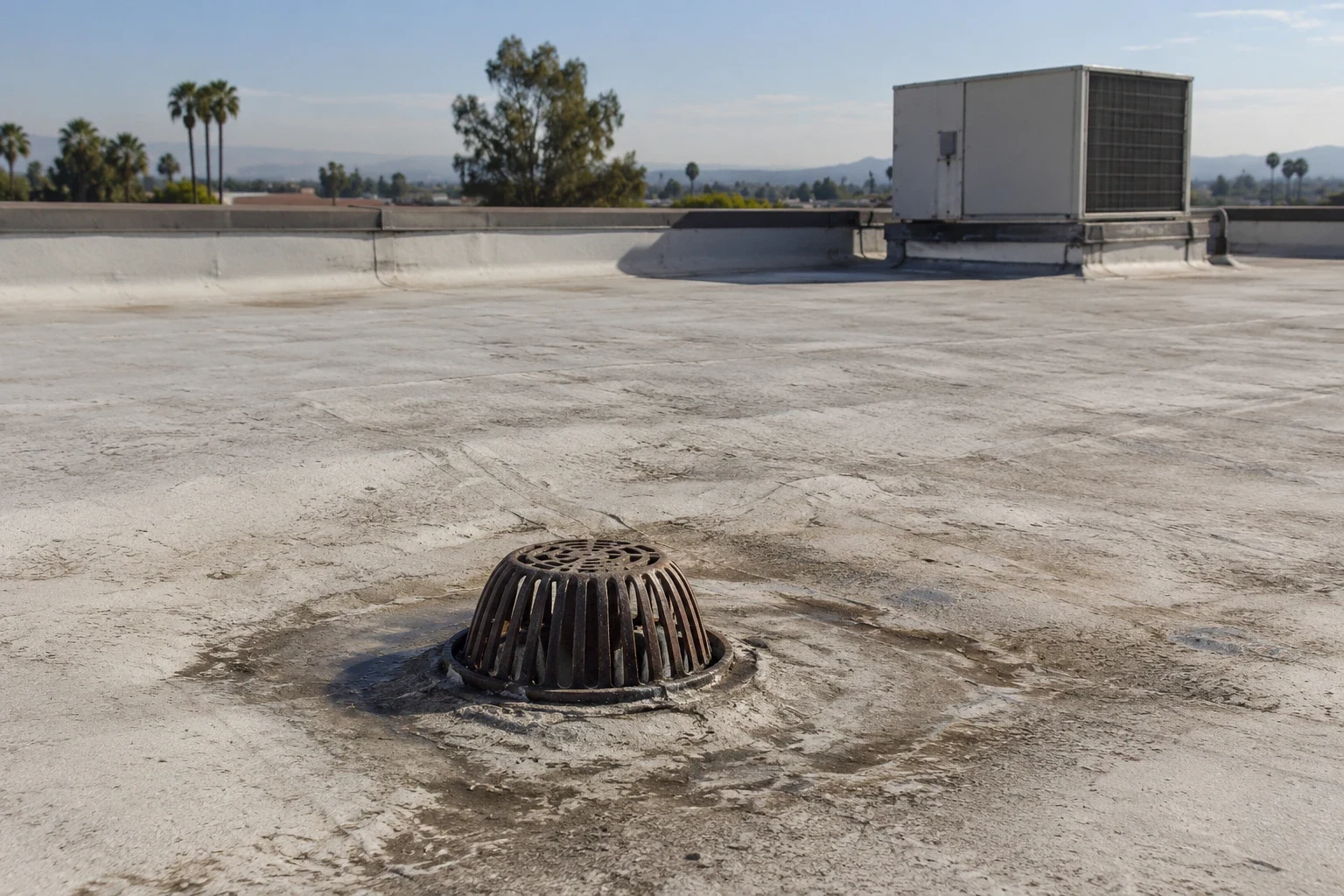
Roof Insurance Claim Assistance in Daly City
Organize roof observations and repair scope for a Daly City claim file without estimating coverage or promising a carrier outcome.
A claim file is easier to review when the roof observation, repair scope, and estimate are distinct records. In Daly City, we can document visible conditions, map them to roof areas, and prepare a roofing scope for the owner or general contractor. We do not determine coverage, interpret a policy, or promise a carrier decision. The first step is to record what is present: membrane separation, displaced edge metal, a damaged penetration, or water evidence reported inside. Mission Street and Serramonte appear in city planning materials as commercial settings; that context helps frame access coordination but does not establish conditions at any one property. The City profile also identifies San Francisco and San Mateo County job centers nearby, useful for regional scheduling. A commercial roof inspection creates a broader condition record, and commercial roof repair can price defined corrective work.
Record: Build a dated roof-condition file
Use a roof plan, dated photographs, and a location label for each observation. A close-up should be paired with a wider frame that shows the roof zone, so the reviewer can tell whether two images show the same condition. Note weather or access interruptions only when they affect what could be seen. Separate reported interior symptoms from roof observations and keep the wording precise: a stain is evidence inside, not a diagnosis of the entry point. If an opening is needed to inspect concealed material, obtain project authorization first and record what was found after removal. A roof condition report can preserve those details in a consistent format. For a property with multiple roof areas, an asset management record can carry the findings forward without treating the claim file as a full capital plan.
Boundary: Keep the roofing scope within its lane
A repair scope should say what will be removed, what will remain, what material will be installed, and how the tie-in will be completed. It should also identify items that are not included, such as interior finish work, mechanical equipment, or concealed substrate replacement unless those tasks are specifically priced. This prevents a roofing estimate from being read as a complete building restoration proposal. We can describe quantities and field conditions in roofing terms, then revise them if an authorized opening exposes a different condition. If immediate water entry needs attention, emergency roof repair can define stabilization separately. A full commercial roof replacement is another alternative only when the assessment supports that larger scope. Neither alternative decides what a policy covers; the owner and its insurance professionals handle that question.
Context: Separate city data from roof evidence
Daly City's adopted 2025 California Building Standards Code with local amendments became effective January 1, 2026. The City states that permit applications deemed complete before that date may continue under codes in effect on their deemed-complete date. Those facts can matter to a construction or renovation schedule, but a claim report should not infer code applicability without the permit record. The Building Division administers Title 24 and performs plan review and field inspections. We identify permit questions for the project team and keep our roofing observations separate from code conclusions. The same discipline applies to local business context: commercial activity in Westlake or along Geneva Avenue does not prove a roof's age, assembly, or damage history. A claim package benefits from exact dates, roof-area labels, and a clean scope boundary, not broad assumptions about the neighborhood.
Quantities: Show the basis for each repair item
A reviewer needs to understand how the visible condition became a measured scope. Mark the repair limits on a roof plan, state dimensions where they can be verified, and identify whether quantities are measured or provisional. If membrane and insulation removal are included, say how far the opening extends and what condition triggers added work. Keep temporary protection separate from final repair, with an end-of-shift check and a planned transition. The nearby NOAA station at San Francisco International Airport shows cool-season precipitation concentrated between November and March; that station record can explain why a temporary condition needs a weather plan, but it cannot establish that a particular loss occurred. A storm-damage repair assessment should still be based on field observations. Product selection also depends on the assembly, so a choice between modified bitumen and a single-ply sheet follows roof identification.
Review: Coordinate documents with field work
Roofing documentation may be reviewed while mechanical or electrical work continues, so note when another trade can access the area and what protection must remain. A scope that includes a curb or penetration needs a defined handoff: who removes equipment, who protects the opening, and who completes the flashing tie-in. If the project has an adjuster inspection, the general contractor should coordinate a safe roof route and preserve the condition before repairs change it. We can provide photographs and roofing observations for that review, but do not speak for the owner or carrier. On projects in Daly City or San Francisco, site access and staging still depend on each property's rules. The written record should identify the date, attendees when known, areas reviewed, and any part not observed. That makes later scope revisions traceable without implying approval or payment.
Questions About Roof Insurance Claim Assistance
Reconcile: Leave a file the team can compare
The final package should contain the original condition notes, roof plan markup, dated images, approved scope, change records, and completed work documentation. Keep the repair invoice aligned with quantities and materials installed. If the crew could not access a roof zone or found no damage there, state that limitation rather than leave the area ambiguous. Record temporary protection removal or transition so the owner is not left with a temporary measure described as final. A claim file may include documents from other professionals, but our contribution stays limited to roofing observations and work scope. Keep dates consistent across the estimate, photographs, and approval record, and label each revision so the reviewer can distinguish the original condition from later repair work. For future decisions, a roof capital planning review can compare repair and replacement needs using the verified record, outside the coverage determination. Before sending the package, compare the page numbers, area labels, and revision dates across each attachment. A photo labeled with a roof zone should match the same zone on the plan, and a later image should not silently replace an earlier observation. If the file has an unresolved access limitation, put it in the summary so no reviewer assumes that area was cleared. Send the project team the roof plan, available photographs, permit milestones, and required review date so the roofing scope can be prepared for the next coordination meeting.
Commercial Roofing Questions
Can a roofer decide whether a claim is covered?
No. We document roof conditions and prepare a roofing scope. Coverage and policy interpretation remain with the owner, carrier, and its insurance professionals.
What should be included in a roof claim record?
Use dated photographs, a marked roof plan, clear observation notes, measured or provisional quantities, exclusions, approved changes, and documentation of completed work.
Will an estimate include hidden damage?
Only if the scope defines how hidden conditions will be handled. State what is visible, whether an opening is authorized, and what approval or pricing method applies to added work.
Should repairs wait for a site review?
The project team should coordinate access and preserve conditions when a review is scheduled. Immediate protection may still be scoped separately if needed to limit ongoing exposure.
Can the report state that a storm caused the condition?
A roofing report can describe what was observed and when. Causation should not be asserted unless the available evidence supports it and the responsible professional makes that determination.
More Commercial Roofing in Daly City
Prepare the roofing record
Share the project roof plan, dated photographs, access requirements, permit milestones, and the review timeline. We can document observed conditions and define a roofing scope without estimating coverage.