
Commercial Roofing in Pleasant Hill, CA
Pleasant Hill in Daly City
Commercial roof repair, replacement and maintenance for Pleasant Hill, CA downtown and retail buildings, with phased scopes and written closeout records.
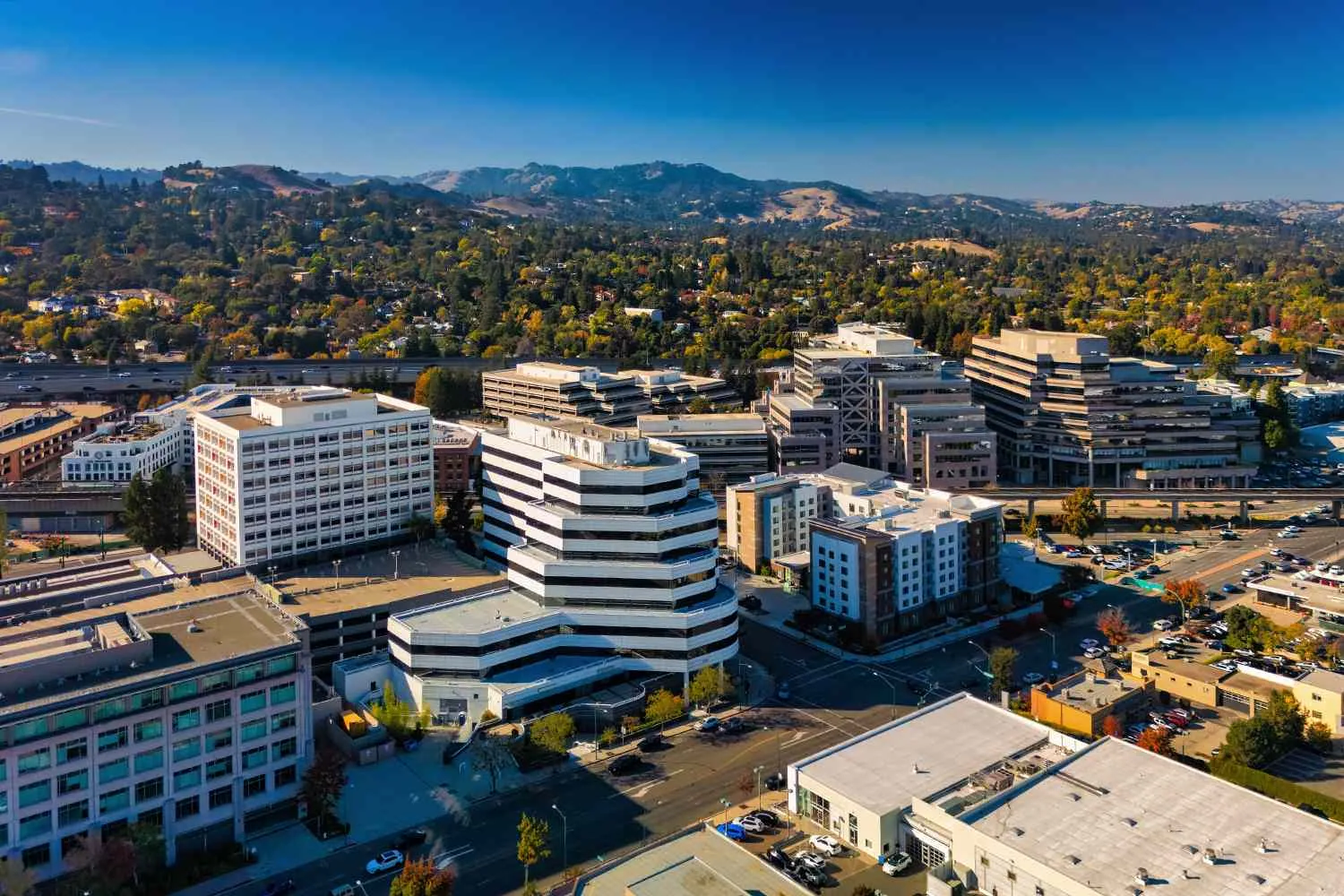
Phasing is the quiet problem in a downtown that is being invested in a piece at a time. Pleasant Hill's Downtown Specific Plan sets a long-term strategy for the downtown area, and the city's economic-development program describes continued investment in a downtown and retail business district. A building owner in that setting may replace a storefront this year, add a tenant next year and face a roof decision in between, and the roof scope has to fit around each step without blocking the next.
Pleasant Hill, CA owners can bring a low-slope or metal roof to us for repair, replacement, recovery, coating or upkeep. With plans, access limits and your notes, we will write a scope that a general contractor can place in the work sequence.
Scope: sizing the roof decision to the building plan
A long-term plan for a downtown does not tell us what is on any individual roof, and we do not assume it does. It does give an owner a reason to ask what the building will carry in five years. If the answer includes a second-floor tenant, a new rooftop unit or a solar array, the roof scope should account for the load, the penetrations and the walkways before the membrane goes down.
We write the choices as separate capital items. A repair addresses open seams, failed flashings and punctures, and states what life the remaining roof is expected to give. A recover or coating extends a sound roof, and a section replacement ends at a verified tie-in. A full tear-off rebuilds the assembly to the deck. Each has a removal limit, a duration and exclusions, so the owner and the general contractor are comparing like with like.
Where a building will be reworked soon, a roof recover may bridge the gap, and where it will not, replacement avoids paying twice.
Field condition: small retail roofs and the details that fail
On smaller retail and service buildings, the field of the membrane is often in better shape than its edges. Failures cluster at parapet caps, wall flashings, scuppers, roof drains and the base of rooftop units. A storefront renovation that adds an awning, a sign or a new vent can leave a penetration with a sealant-only repair, and sealant ages faster than the membrane around it.
On the first walk we check those details first. We read the seams and edge metal, probe soft areas for wet insulation, look for ponding where water remains after rain and note every patch. If the evidence points to trapped moisture, an infrared moisture survey maps it before anyone cuts. For roofs that are hard to walk or have several levels, a drone roof inspection records the condition quickly and safely. The result is a set of photographs tied to roof areas, which becomes the basis for pricing.
Rain timing: the airport station and the work calendar
The San Francisco International Airport NOAA station supplies the normals we plan against. Its typical year totals 19.64 inches, with 16.76 inches falling in the cool months from November to March and 0.18 inches in all of June, July and August. Pleasant Hill roofs were not measured, but a wet winter set against a dry summer is easy to read.
That contrast sets the calendar. Replacement and coating work are easiest in the dry months. In the wet months the opening stays small, the drain path is proven before cutting, and any temporary tie-in is rechecked before rain is forecast. A small downtown roof has little room to store materials, so we time deliveries to match each day's opening and keep the rest off the roof.
Wet weather is a good time to find leaks and plan repairs, since the water shows where it enters. A commercial roof inspection in the rainy season often yields the clearest photographs.
System detail: matching the membrane to the roof
For low-slope retail roofs, the usual candidates are TPO, PVC, EPDM and modified bitumen. TPO and PVC offer heat-welded seams and reflective surfaces. EPDM is a rubber sheet that handles movement well and is simple to repair. Modified bitumen adds plies and a cap sheet that stands up to foot traffic. A silicone or acrylic coating can restore a sound roof when the seams and flashings are repaired first.
Metal roofs need a different review. We check panel condition, fastener backout, seam sealant and the flashing at every penetration. If the panels are sound but leaking at the fasteners, a retrofit or a re-fastening scope may be enough. If they are corroded through, replacement is the safer course.
Insulation and cover board are part of every low-slope scope. We confirm the thickness that code and the owner's energy goals call for, and we check that parapet and curb heights can accept it before we order.
Cost drivers: what changes the price
The condition under the membrane comes first. A dry substrate and a sound deck hold a project to its minimum scope, whereas saturated insulation or a damaged deck bring removal and rebuilding. Penetration count follows, then access: where a lift can stand, how debris leaves and whether parking or a loading area has to stay open. Tenant hours come next, since night or weekend work costs more than a weekday shift.
Permit and plan-review steps belong in the schedule. Plan review by the local building division is part of the schedule, and applicable reroof requirements are pinned down before a replacement is priced. They show up on their own lines, so the approval path is not mixed into the roof price.
A roof capital plan lets an owner spread repair and replacement over several years, and the same plan can serve a property group that includes buildings in Concord or Martinez.
Questions About Pleasant Hill
Closeout: the record for the next owner or tenant
When the work is complete we deliver a set of before and after photographs, the final scope with revisions, drain checks and product sheets for the installed membrane and flashings. That file helps the owner at a refinance or sale, and it helps the next trade on the roof. A preventive roof maintenance visit then keeps the record current.
Between visits, the habits that protect a small commercial roof are simple. Drains and scuppers are cleared before the wet season, debris is lifted off the membrane after wind, and any contractor who goes onto the roof reports what was touched. Those entries give the owner a way to trace a new leak to its cause, and they keep a warranty or insurance conversation grounded in dated facts instead of recollection.
Commercial Roofing Questions
Can roof work be phased with a building renovation?
Yes. We split the roof into areas, put each in the work sequence and end each phase at a protected tie-in, so the next trade can start without waiting on the whole roof.
Is a recover enough for an older retail roof?
Only when the insulation tests dry and the deck holds up. Both are tested and the result is written down; a wet or failed substrate moves the scope to removal.
When is the best season for a replacement?
Summer where possible, because the airport station's normals are nearly dry from June to August. Wet-season work proceeds in smaller openings that are closed the same day.
What should be checked after a rooftop unit is added?
The curb flashing, the sealant at each penetration and the walk path to the unit. We look for sealant-only repairs and for foot-traffic wear on the membrane.
What documents do I receive at the end?
Photographs, the final scope with changes noted, drain verification and product data for the membrane and flashings, ready for a lender, buyer or insurer.
More Commercial Roofing in Daly City
Share the building plan and the roof condition
Send plans, tenant hours and the condition you see in Pleasant Hill. We will return a trade-ready scope and a workable sequence for your building.