
Cool Roof Installation in Daly City, CA
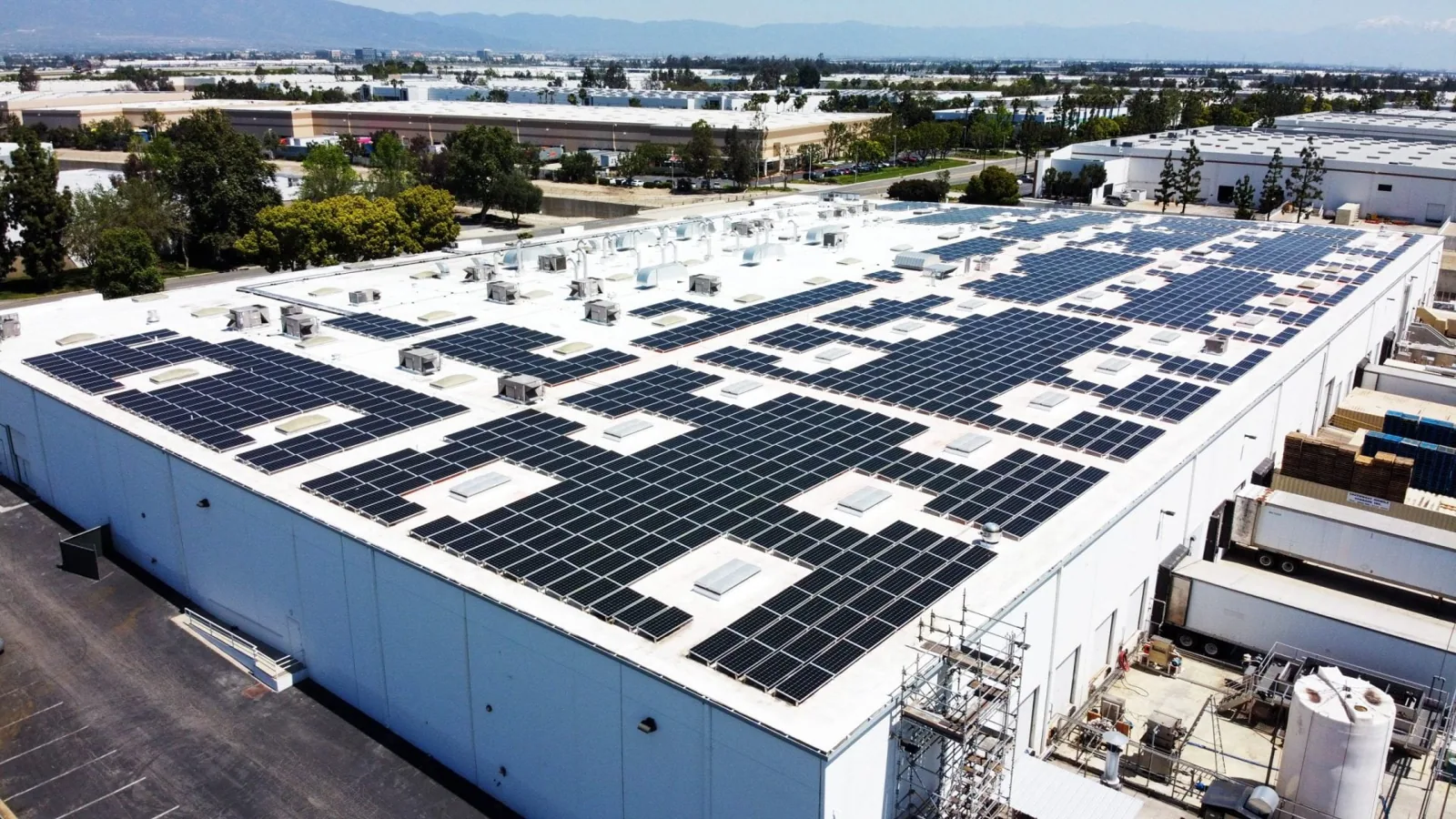
Cool Roof Installation in Daly City
Evaluate reflective roof options in Daly City by substrate, drainage, access, and code needs before choosing a coating or replacement system for the building.
A reflective finish is a system decision, not a paint choice. We start by identifying the existing membrane, drainage pattern, exposed details, and surface condition, then determine whether a coating, recover, or replacement belongs in the scope. In Daly City, the nearby San Francisco International Airport NOAA station records only 0.18 inches of normal precipitation from June through August, with none in July. That station pattern can help the project team think about a summer application window, but the substrate still needs to be dry, sound, and ready on the work date.
Pacifica planning materials identify commercial areas at Sharp Park and Eureka Square, Rockaway Beach and Vallemar, and Linda Mar and Sun Valley. San Bruno planning also names downtown and commercial and industrial areas for revitalization. For a contractor coordinating roof work across those places, we keep each building's surface assessment and staging plan distinct. A job in the Daly City service area still starts with a roof walk before any coating product is chosen.
System check: Confirm the existing surface first
A coating can only perform as intended when it bonds to a suitable, prepared substrate. We check for loose film, contamination, trapped moisture, open seams, deteriorated flashings, and ponding that the selected product is not designed to correct. The inspection records what is visible and identifies any test area needed before the full work is priced. A coating may extend the useful service of a roof when the assembly is eligible, while saturated insulation or widespread failure may call for removal instead.
The choice between a reflective coating and a new membrane depends on the assembly and the owner's capital plan. A commercial roof inspection can define repair areas and test questions. If replacement is the better fit, we compare the scope with roof replacement work and the selected TPO system, including flashing, edge, and drain details. We do not assume a white surface is compatible simply because it looks clean.
Surface preparation: Remove the reasons a coating will fail
Preparation is measured by adhesion and continuity, not by how bright the roof appears after washing. We identify loose or chalking material, repair open seams and punctures within the approved scope, clean the surface using the product requirements, and let it dry before application. A sample area can show whether the coating bonds and how much material the surface accepts. If a test does not pass, the plan changes before gallons are committed to the full roof.
Drain bowls, scuppers, penetrations, curbs, and wall transitions need separate attention because a reflective field coating does not repair every detail. We check that water has a clear route to the drains and note areas where correction may be needed. A drain and scupper repair can be scoped before coating so the finish does not conceal an active drainage issue. Where insulation or cover board is soft or wet, a roof insulation assessment helps define the next cut or repair.
Application window: Tie weather to the work sequence
Product temperature limits, dew point, wind, and forecast rain all affect the application window. The crew needs a surface that has dried through the detail work, plus enough time for the applied material to cure before moisture returns. We divide the roof into manageable zones, protect adjacent areas, and record the start and stop points. If conditions change, we close the active edge and resume when the substrate and weather meet the product requirements.
The NOAA station near San Francisco International Airport shows 0.18 inches of normal June-through-August precipitation, including zero in July and 0.04 inches in August. It is a nearby station record, not a promise about conditions at a specific property. The owner still needs a daily weather and substrate check. A coating restoration scope should name the preparation, number of passes where specified, detail treatment, and cure hold before rooftop equipment or foot traffic returns.
Code and reflectance: Keep the submittal tied to the assembly
A cool-roof request may come from an energy target, project specification, or code review. We identify the proposed assembly, product data, substrate, and roof area so the design team can compare the actual requirement with the system being priced. Reflectance describes how much incoming solar energy a surface reflects; emittance describes how it releases absorbed heat. Neither figure by itself determines indoor savings, which also depend on insulation, ventilation, occupancy, equipment loads, and building controls.
A project submittal should identify the existing assembly, proposed product, substrate preparation, and the details that will receive coating. We provide the roof information and product data within the roofing scope, then coordinate the package with the design professional. The owner can compare that assembly with roof capital planning that considers repairs, future access, and the remaining service of the existing membrane.
Cost and timing: Price the prep, not just the finish
Surface cleaning, repairs, test patches, access, edge work, drain correction, and the amount of material the roof absorbs all affect cost. A coating estimate should show the preparation and detail work separately from the field application, with allowances for concealed conditions clearly identified. Roof area, equipment density, height, staging, and occupied operations also change production. We can price a defined test section first when adhesion or consumption is uncertain, then use the result to refine the larger scope.
A recover or replacement may require more capital at the start but can address conditions a coating cannot correct. We compare those alternatives against the inspection record and the owner's planning horizon rather than treating a reflective finish as a universal upgrade. A building used for retail or healthcare can have entry and loading requirements that shape access; Daly City's profile identifies both sectors as important parts of its local economy, but that does not establish the use of a particular roof. We set work zones from the project plan and owner direction.
Questions About Cool Roof Installation
Closeout record: Show what the finish covers
At completion, we record the coated roof zones, repaired details, product information, batch or lot details where supplied, and any areas left outside the scope. Dated photographs show drain transitions, penetrations, curbs, and tie-ins before and after application. That record gives the facilities team a starting point for future inspections and helps distinguish a new condition from an existing one. We also note cure restrictions and any required protection for later trades.
Maintenance should follow the selected system and manufacturer instructions, with periodic checks for debris, movement, new penetrations, or damage from rooftop work. A roof condition record can carry those observations into the next budget review. If water entry appears during the work, our commercial repair scope addresses the condition separately instead of hiding it beneath the reflective finish. The final record should leave the next access window, roof area, and owner decision clear.
Commercial Roofing Questions
Will a reflective coating lower the building's energy use?
It can reduce solar heat gain at the roof surface, but building energy use also depends on insulation, equipment, occupancy, controls, and ventilation. We describe the roof assembly and leave performance modeling to the design team.
Can a coating correct standing water?
A coating follows the existing roof shape. We inspect drains and low areas first, then price drainage correction separately if the roof needs it.
How do you know the existing membrane will accept a coating?
We inspect the substrate and can prepare a test area to check adhesion and material uptake. The test result helps set the preparation and price before broad application.
Can rooftop equipment stay in place during the work?
Some equipment can remain, but curbs, lines, walk paths, and clearances need protection. We mark the work zone with the facilities and mechanical teams before coating starts.
What should the closeout file include?
Keep the product and application record, roof-zone photographs, repairs, exclusions, cure restrictions, and follow-up inspection points together with the building's roof plan.
More Commercial Roofing in Daly City
Compare coating with the full roof condition
Share the roof plan, known repairs, access rules, and the requested reflectance target. We can define a preparation and application scope or explain why another assembly deserves a comparison.