
Membrane Puncture Repair in Daly City, CA
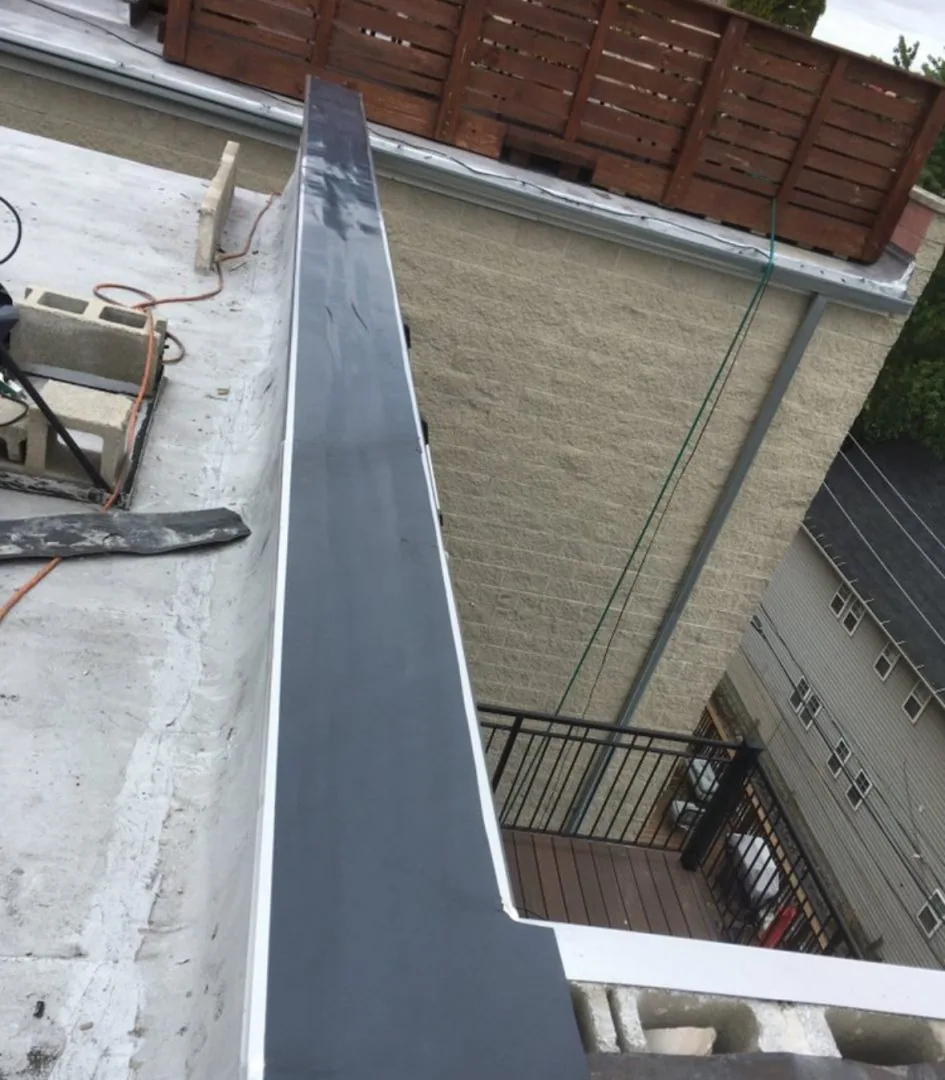
Membrane Puncture Repair in Daly City
Repair punctures, gouges and foot-traffic damage on commercial roof membranes in Daly City, and check the insulation below before the patch goes.
Roof membranes are thin skins over insulation, so the repair has to answer two questions: how large is the hole, and how far did the water travel? On commercial roofs in Daly City, CA, we find punctures along service paths between a hatch and the rooftop units, around equipment pads and wherever a trade has worked recently. A dropped tool, a ladder foot, a bolt or a cut from a panel edge all leave a mark. We photograph each puncture, measure it with a tape held in the frame, record its distance from the nearest drain or curb and probe the membrane around it for soft spots. Then we check whether the insulation under the hole is wet, because a small hole can soak a large area and a patch over wet insulation traps the problem.
The next decision is whether a patch is enough or the damaged area needs cutting out.
Foot traffic: Find the paths people actually walk
Technicians walk the shortest route to a rooftop unit, and that route soon shows scuffs, dirt and worn membrane. We trace the path from the roof access to each unit and look for abrasion, cut seams and torn flashing along it. Where traffic is regular, we recommend walk pads, protective sheet or a marked path so the membrane is not the walking surface. Satellite, camera and signage contractors, and anyone servicing rooftop equipment, can be on the roof without the building contact knowing. A short log at the roof hatch, listing who went up and why, helps trace damage to a date.
Packaging and debris matter too. Cardboard, metal shavings, screws and strapping left behind after equipment work can be stepped on and pressed into the sheet. Wherever new rooftop equipment goes in, metal offcuts and fasteners tend to stay behind. We sweep the roof with a magnet and a broom during every visit and list what we removed. Loose items near the edge go into a bag, not over the parapet, and the access contact receives the list so the trade that left them can be asked to clean up after the next visit.
Patch method: Match the repair to the membrane
A thermoplastic membrane such as PVC or TPO is patched with a welded piece of compatible sheet, cut with rounded corners and overlapping the hole by a margin. EPDM is patched with primed, adhesive-backed material pressed and rolled. Modified bitumen uses a torched or cold-applied patch with granule surfacing where needed. A built-up roof uses felt layers and bitumen. The patch has to match the existing material and age, because a new sheet on an old surface can fail at the edge. For a very small cut, a liquid-applied sealer may close the opening, though we do not use sealer where the membrane is wrinkled or under standing water.
Insulation below: Check for water before closing
Wet insulation is the hidden cost of a puncture. The membrane may look sound a foot away while the insulation below is saturated, and the weight and moisture can degrade the deck over time. We use a moisture meter or an infrared scan after a rain, and we cut a test opening where the readings are high. If the insulation is wet, we remove it back to dry material, replace it with matching board and cover board, and tie the new membrane into the old with a welded or adhered lap. Closing a wet puncture without removing the moisture invites blistering and a repeat leak.
We also look at the deck. A fastener head that has backed out of the deck and pushes against the underside of the membrane is a puncture waiting to happen. If we find a raised fastener, we reseat or replace it before patching over it, and we check neighboring fasteners in the same row. A puncture caused from below deserves a different repair from one caused from above, and the report states which one we found.
Weather: Choose the timing for dry surfaces
At the San Francisco International Airport station, normal precipitation is 19.64 inches a year; 16.76 arrive in November through March and 0.18 in June through August. A patch needs a clean, dry surface, so the best time for permanent work is the dry season. In winter, a puncture found during a storm gets a temporary seal and a record of where it is, and the permanent repair waits for a dry window. Emergency calls for an active leak are taken day and night, and the crew arrives with membrane, tape and sealant matched to the roof type so the first visit can close the opening instead of only marking it. We photograph the temporary seal and list it in the report so it does not stay in place by default. The route that brought us to the puncture also matters. When the call comes in, we ask for the access contact and the roof hatch location so the crew arrives ready to climb.
Equipment work: Plan around the trades who cause the damage
Most punctures come from work, not weather. Any commercial building with rooftop equipment, whether on Mission Street, in Serramonte, in San Bruno, or in South San Francisco, gets regular mechanical service, and each visit is a chance for a cut. When a mechanical, electrical or telecom contractor is scheduled, we recommend a pre-work walk with them to mark the path and set protection. A curb or support that is moved should be flashed after the trade finishes, and the roofer inspects the area before the trade leaves the roof. A short maintenance visit after major equipment work catches the damage while it is still small.
Questions About Membrane Puncture Repair
Closeout: Record every patch and the path that caused it
At completion, we photograph each patch, number it on the roof plan and list its size and material. We note the paths and the equipment that explain the damage, and we recommend protection where traffic will continue. The record helps the next inspector see which patches are repairs and which are new damage, and it gives the owner dated evidence if a service contractor disputes who caused a cut. Related findings, such as a seam failure next to a worn path, are listed on the same plan. Properties in South San Francisco receive the same documentation. Where wind carried debris onto the roof, wind damage repair addresses the cause.
Commercial Roofing Questions
Can a small puncture be left alone?
It can let water into the insulation without showing inside the building. Even a small hole should be sealed, and the area around it checked for moisture.
What is the difference between a patch and a cutout?
A patch covers a clean membrane with a welded or adhered piece. A cutout removes damaged membrane and insulation and replaces them. If moisture is present, a cutout is the better repair.
Who is responsible when a contractor punctures the roof?
The service contract or lease may assign responsibility, and our report documents the damage with photographs and dates. The owner or manager can use the record in that conversation.
Do walk pads really help?
They spread load and show the route. On a worn path to a rooftop unit, they protect the membrane and reduce the chance of cuts. We set them with compatible adhesive or weld.
Does a puncture repair need a permit in Daly City?
Minor repairs may not. Larger repairs that change the roof assembly should be checked with the Building Division, which handles Title 24 review and inspection.
More Commercial Roofing in Daly City
Found a hole in the roof?
Tell us where it is and how the roof can be reached. We will seal it and check what lies beneath.