
Versico Roofing Systems in Daly City, CA
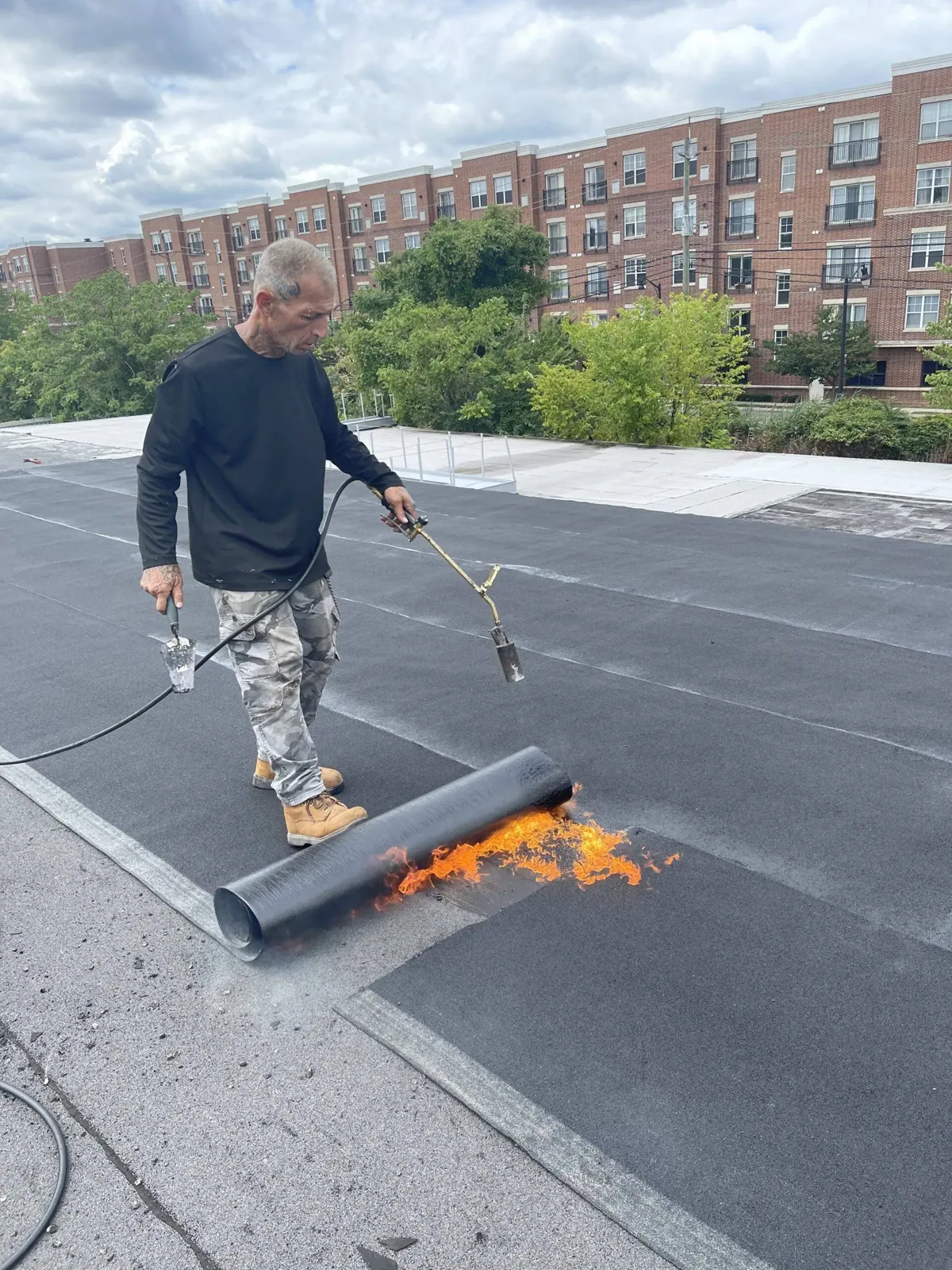
Versico Roofing Systems in Daly City
Versico roofing in Daly City, CA: VersiWeld TPO and VersiGard EPDM installs and repairs, with plans for attachment, drainage, and the wet season.
Drawings that name Versico usually put two membrane choices in front of the general contractor: VersiWeld TPO and VersiGard EPDM. They behave differently on the roof, join differently at the lap, and ask different things of the crew, even though both are single-ply sheets from the same manufacturer. In Daly City, CA, the first useful step is to ask which one the specification actually calls for and how it is attached, because that answer sets the work sequence.
Versico is a Carlisle brand, so the accessories and installation methods overlap with the Carlisle SynTec lines. We install and repair both of the Versico membranes, and we price the scope from the details at the walls, drains, and penetrations before we price the field of the roof.
Sheet choice: VersiWeld welds, VersiGard splices
VersiWeld TPO is joined by hot-air welding. The lap becomes a single fused layer, and a finished roof has a clean white surface with continuous seams. VersiGard EPDM is joined by splice tape or adhesive, and it is available in very wide sheets that reduce the number of seams across a large field. Both are legitimate commercial membranes, and the difference matters when the existing roof is irregular: a thermoset sheet bends around odd corners easily, while a thermoplastic offers weld repairs that last.
A TPO membrane and an EPDM membrane also react differently to heat. White reflective surfaces stay cooler, and black EPDM absorbs more sun, which can matter for the rooftop units that draw cool air near the surface. The owner's energy goals and the roof's equipment layout can tip the decision either way.
Attachment: Fastened, adhered or ballasted
A Versico sheet can be mechanically fastened, fully adhered, or ballasted, and each choice changes the schedule. Mechanical attachment is fast and uses plates and screws that must reach sound deck, so pull tests set the fastener pattern. Full adhesion gives a smooth surface and spreads the load, but it needs a clean, dry substrate and a window of workable temperature. Ballast adds weight and needs a structure that can carry it.
Wind uplift requirements, set by the building code and the building's height and exposure, define the fastener spacing or the adhesive coverage at edges and corners. We calculate the perimeter and corner zones from the plans, and we show the denser patterns on the roof drawing so the crew installs them where they are needed. Where the roof carries rooftop equipment, the attachment plan also marks the paths for heavy loads.
When the existing roof can stay, a recover adds a layer over cover board, and the attachment pattern has to reach the deck through all the layers.
Drain path: Slope, sumps and the first week of rain
Standing water ages a membrane and hides defects. Before a Versico sheet goes down, we walk the roof with a level and note where water collects after rain. Those low spots are corrected with tapered insulation, new drain bodies, or added scuppers. A drain and scupper that is set slightly high keeps a pond through the whole wet season, and a new roof built over that mistake carries it forward.
For rainfall we look to the San Francisco International Airport NOAA station, a single-station reading and not a Daly City average, where 16.76 of the year's 19.64 normal inches fall between November and March. That concentration makes drain readiness a first-order matter. A roof finished in October should have clear, flowing drains before the first big storm, and the closeout check should include pouring water to confirm it.
Work sequence: Dry months, wet months, and the daily tie-in
June through August bring only 0.18 inches there, so the summer months are the easiest to plan. Larger bays, adhesives that cure on schedule, and fewer weather days make the work faster. In the wet months, we reduce bay size and plan a nightly tie-in. The tie-in is a temporary seal between the new sheet and the old roof, ballasted against wind and checked each morning before the crew opens the next bay.
Daly City planning materials name Mission Street, Geneva Avenue, Westlake, and Serramonte as settings for commercial activity. Whatever the building, the sequence on the roof is similar: stage materials, remove the old layer in a bay, install insulation and membrane, flash the details, and close the bay before leaving. Tenants below get notice of the bay schedule, entrances are protected with overhead covers where debris could fall, and loud work such as deck fastening is timed away from the hours when a business needs quiet for customers.
Cost driver: What moves the number
The field of the roof is the predictable part of the estimate. Removal depth, insulation thickness, and attachment method move it up or down. The detail count moves it more: every curb, pipe, drain, and corner is hand work. Access also matters. A roof reachable by a short lift is cheaper to supply than one that needs a crane, and a roof with a narrow dry-in window costs more than one with open schedules.
Code timing is part of the plan. The 2025 California Building Standards Code has applied in Daly City, with local amendments, since January 1, 2026, and a permit application complete before that date may keep the earlier codes. We confirm the cycle that applies so that insulation values and fastening requirements reflect the right edition.
Insulation is a quiet cost item. Each added inch of polyiso raises every wall, curb, and door-threshold flashing by the same inch, and a threshold that was already tight may need a new ramp or a redesigned sill. We measure those heights before the insulation order so the added cost is a known line instead of a field change.
A warranty, if the project carries one, is issued by the manufacturer against the approved system and its inspections, so those inspections are scheduled into the work.
Questions About Versico Roofing Systems
Closeout: Seam tests and a record of every detail
When the work is done, we test seams where the system allows it and repair anything that fails. We photograph terminations, penetrations, and drains by roof area, and we record the sheet type and attachment method. This is the same record we leave in Pacifica, San Bruno, or anywhere else we work, and it is what a future roofer will want before cutting in a new curb. A GAF or Duro-Last closeout uses the same photographs and test notes, even though the membrane differs.
Commercial Roofing Questions
Which Versico sheet suits a roof with many penetrations?
EPDM bends easily around clustered pipes and odd curbs, and its repairs are simple. TPO works well too if each boot is welded properly. The count of penetrations and the crew's access to them lead the choice.
Is Versico the same as Carlisle?
Versico is a Carlisle brand, and the products overlap in approach. A specification may name either, so we read it for the exact membrane, thickness, and attachment before we price.
How is wind uplift handled on a fastened system?
The fastener pattern is denser at corners and perimeters than in the field. We draw those zones on the roof plan and verify pull-out values on the deck before the pattern is finalized.
Can a Versico roof be installed over ballast?
Ballast systems exist, but they need a structure that can carry the added weight and a way to handle the stones at the edges. We check the structure and the drainage before recommending one.
Why pour water at the drains after the install?
Visible flow shows whether the sump is set low enough. A drain that backs up during a test will pond in the first storm, and we would rather correct it before the crew leaves.
More Commercial Roofing in Daly City
Share the specification and the access plan
Send the Versico specification, the existing roof information, and the building's access limits. We will walk the roof and return a scope with the attachment, drain, and sequence decisions marked.