
Commercial Roofing for Government and Municipal Buildings in Daly City, CA
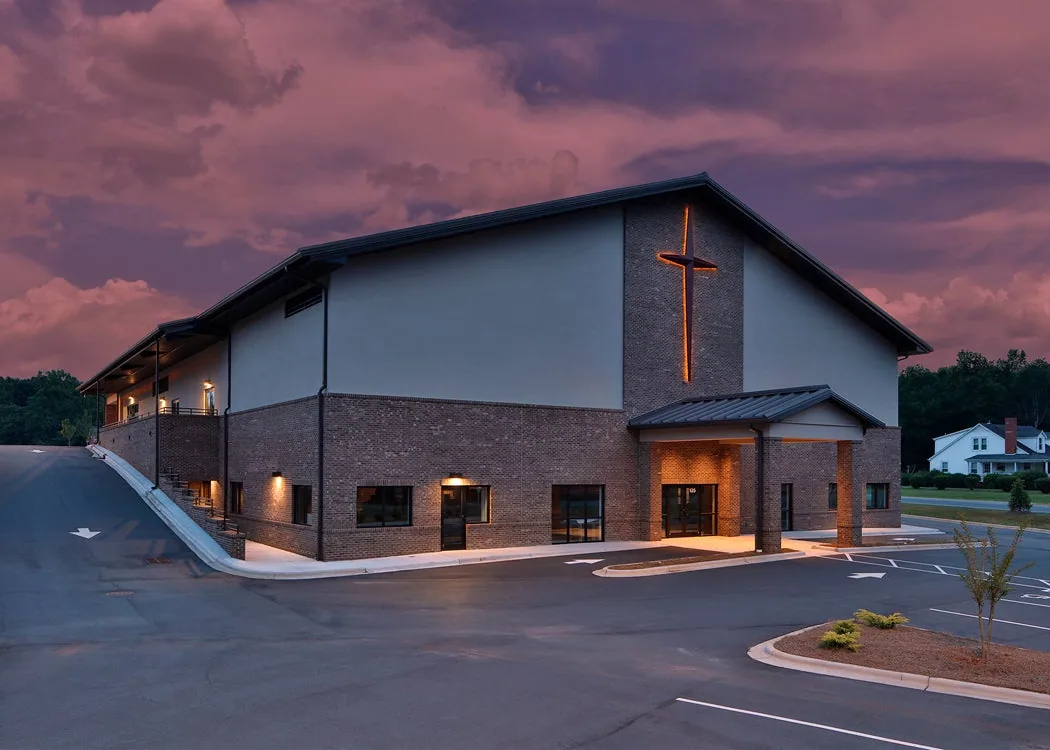
Government and Municipal Buildings in Daly City
Coordinate municipal roof inspections, repairs, maintenance, and replacement in Daly City with clear scopes, access plans, and occupied-building protection.
A municipal roof scope is read by people who were never on the roof: a purchasing office, a design reviewer, and a facility manager who inherits the file. For a government building in Daly City, CA, we write the scope for that reader. It states the limit of removal, the receiving membrane, the owner of the temporary dry-in, and the closeout record, each tied to a marked roof area, so bids can be compared line by line and the next trade does not have to guess where the roofing stops.
Offices may stay open, counters may serve the public on a posted schedule, and some rooms keep appointment hours that cannot move. Those routines set the work windows before a membrane is chosen, so we ask for them first.
Scope boundary: document what is included
A useful scope names the roof area, the assembly where it is known, the visible conditions, and the work required at each detail. We review field seams, flashings, curbs, penetrations, drains, and transitions, then record where a repair ties into existing material. The facility team can point out active leaks, prior patches, and the rooms where water has been seen, which helps separate an immediate response from a longer-term recommendation. Limits and exclusions go in plain terms, so a reviewer understands the proposed work without guessing at what sits outside it.
If the issue is localized, a commercial roof repair can address the affected detail. If the evidence is broader, a roof inspection and condition documentation let the owner compare alternatives. For a building that serves the public throughout the work, a planned occupied-building reroofing sequence sets out access, protection, and the daily handoff.
Access: keep public routes clear
Before mobilization, the facility contact identifies public entrances, staff-only doors, delivery areas, accessible routes, and any rooms that should stay quiet during service hours. We confirm where the crew may enter, how materials reach the roof, and where temporary staging is permitted. The work plan shows who announces a closure or a route change and who confirms that the area has reopened.
Roof work can be divided into sections when the assembly and the weather plan allow clear boundaries. Removal, lifting, and other disruptive tasks are scheduled around known public appointments, the rooms below each section are protected, and exposed areas are secured at the end of every shift. Questions that would change a route or expand the scope go to the owner first. Those handoffs are part of the job, not an afterthought.
Permitting: confirm the review path
Local amendments to the 2025 California Building Standards Code, adopted by Daly City, became effective January 1, 2026. Applications the City deemed complete before that date may be reviewed under the standards in effect on their completion date, and the project team should confirm which path applies to its own file instead of assuming a prior project's basis carries forward.
Under the City Building Division, Title 24 administration, plan review, and field inspection cover construction and renovation. We organize the roof assembly information for owner review, while the agency and its design team set the submittal requirements. The scope identifies tie-ins, insulation changes, edge conditions, penetrations, and drainage work clearly enough for the reviewer to evaluate each one.
Local setting: the building, not the map
Daly City's General Plan maps 13 planning areas, among them Westlake, Serramonte, Mission Street, Bayshore, and the Colma-Daly City BART Station vicinity. Those districts give a project team a shared geographic reference, but a citywide map does not describe any one facility's roof. We inspect the specific building, confirm the access point and the drainage path, and read the available records before recommending an assembly or a work boundary.
The City's own profile points to retail, healthcare, and small business as important sources of local activity, and municipal facilities share streets and deliveries with those users, so hours and staging are set with the site contact. San Mateo's economy leans toward technology, finance, and food service, and an agency with buildings in more than one jurisdiction keeps each building's access rules and operating calendar separate. Where a public facility also hosts education or community programs, the access planning for a school or a house of worship offers a useful parallel; the owner still names the actual users, routes, and protection needs.
Drainage: follow the water past the membrane
A leak can involve more than the visible roof surface. We trace likely water paths around drains, scuppers, edge details, penetrations, and transitions, then document the points that need repair or further investigation. The facilities team can share when the leak appears, whether it changes with the weather, and which interior areas have been affected, and that history helps the owner judge urgency.
Station USW00023234 near San Francisco International Airport carries 16.76 of its 19.64 annual inches in the November-through-March window, according to NOAA normals. Those figures belong to that nearby station and not to Daly City as a whole. Before the wet months, an owner may choose to schedule a roof walk, review open repair items, and confirm who receives leak reports. Drain and scupper service pairs naturally with a documented roof condition report or a recurring maintenance plan.
Questions About Government and Municipal Buildings
Review: make options easy to compare
When an owner compares proposals, consistent information matters. We describe the inspected areas, the visible condition, the proposed work, the access assumptions, the protection measures, and the exclusions. If a concealed condition could affect cost or timing, the proposal states how it will be documented and approved before added work proceeds. That gives facilities and procurement staff a basis for questions and review.
Repair, recover, coating, and replacement are not interchangeable choices. The existing assembly, any wet material, attachment, drainage, details, and the building's future plans all affect what is appropriate, and the findings come with any verification they still need. A coating is considered only after the substrate and its compatibility have been checked.
Closeout: leave a record an auditor can read
At completion, the facility team should be able to identify the work performed, the roof areas included, and any follow-up that remains. We review the finished area with the owner's contact, collect the agreed project documentation, and note any condition that was outside the approved scope. If the work is phased, the closeout also states the next boundary and the status of temporary protection.
For a first conversation, share the building location, a roof plan if one exists, the leak history, access requirements, and the public-service hours that shape the workday. We can then say whether an inspection, a repair visit, or a replacement review is the right first step for a building in Daly City.
Commercial Roofing Questions
Can municipal offices stay open during roof work?
They may, depending on the scope, the access plan, and the work windows. We identify public routes, restricted areas, and disruptive tasks with the facility contact ahead of the sequence.
What should a public owner include in a roofing request?
The roof area, known leaks, prior repairs, building hours, access limits, and any roof records. The owner can also name the review process and the person authorized to answer scope questions.
Does the new code edition affect every roof project the same way?
No. The path depends on project details and application status. Qualifying earlier applications may use their prior edition based on the deemed-complete date, so confirm the requirements with the City and the design team.
How are conditions that were not visible before work documented?
We state the inspection limits and describe how a newly exposed condition will be recorded and presented to the owner. Added work goes through the project's agreed approval process before the scope expands.
Can roof repairs be phased across budget periods?
Yes, when the roof condition supports defined sections and each phase can be protected and closed out. We document priorities, boundaries, tie-ins, and unresolved conditions so the owner can assess the sequence.
More Commercial Roofing in Daly City
Set a municipal roof review
Share the building’s roof records, known leak areas, access restrictions, and operating schedule. We will review the site conditions and outline a defined next step for inspection, repair, or capital planning.