
Commercial Roofing for Self-Storage Facilities in Daly City, CA
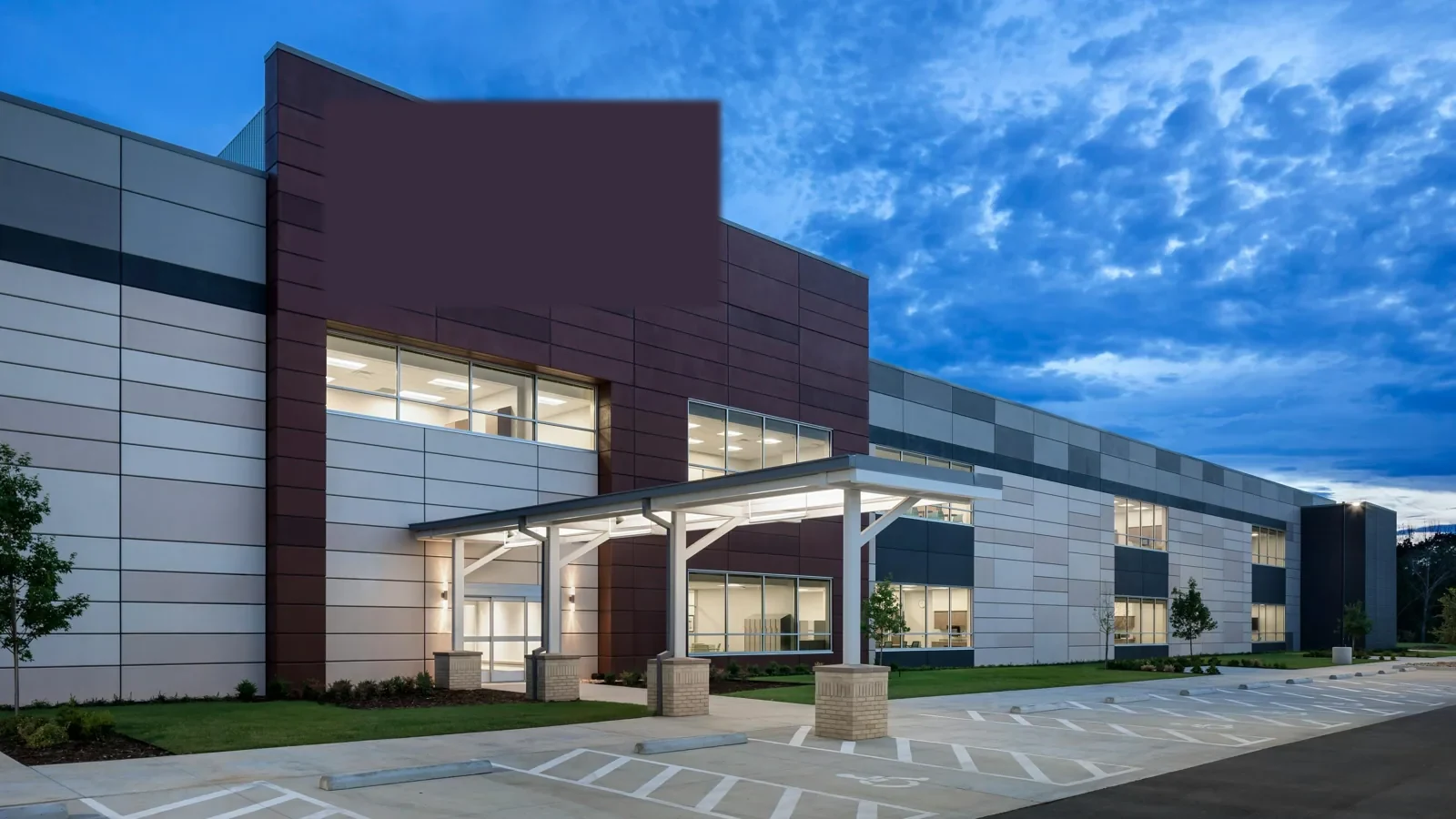
Self-Storage Facilities in Daly City
Plan self-storage roof inspection, leak repair, maintenance, or replacement in Daly City with clear unit access, tenant notices, and weather protection.
Self-storage roof work has to protect more than the building shell: tenants need clear routes to their units, staff manage gates and deliveries, and the operator needs to know which rows or buildings are affected each day. In Daly City, CA, we begin with the facility layout, the leak history, and the access rules, then define the roof areas to inspect or repair. We review the assembly and drainage on site instead of assuming every storage building has the same roof, and the scope states work limits, access needs, and protection measures before a crew mobilizes.
Access: Keep unit routes understandable
Before work begins, we ask the operator to identify active vehicle lanes, pedestrian paths, gate procedures, loading areas, and any units that need scheduled access. The roof plan should distinguish the crew route from tenant circulation. If a lift, material drop, or temporary closure affects a drive aisle, we agree on the location and time with the facility contact so notices can be issued in advance.
Work can sometimes be divided by building face or roof section, depending on the assembly and protection plan. We keep the daily work boundary visible and coordinate changes through one site contact. Our occupied-property roofing sequence can help frame notices, access handoffs, and closeout when the facility stays active throughout construction.
Inspection: Trace the issue before choosing a fix
A leak reported inside a unit may be near the entry point or may follow a longer path across the roof. We inspect accessible seams, flashings, curbs, penetrations, drainage points, and transitions, then record visible conditions and limits. The operator can help by noting the unit or building area affected, when the water appeared, and whether earlier repairs changed the symptom.
Those observations support a repair scope without treating a stain as proof of a specific failure. If a localized defect is confirmed, a commercial leak repair may be the next step. Broader wear or repeated findings may call for a roof inspection and written condition summary. When the owner is weighing a larger project, a roof condition report can help keep findings and priorities together.
Drainage: Follow runoff through the system
Storage properties can include multiple roof areas, elevations, and transitions that direct runoff in different ways. We check the visible path to drains, scuppers, gutters, and downspouts, looking for obstructions, damaged connections, or details that need closer review. A maintenance walk should document the area checked and any item that remains inaccessible rather than imply that every hidden condition has been verified.
NOAA monthly normals for the nearby USW00023234 station put 16.76 inches of precipitation in November-March, out of 19.64 inches for the year; the measurement describes the station rather than Daly City as a whole. The seasonal concentration makes it useful for operators to confirm who checks drainage and receives leak reports before the wetter period. Drain and scupper service can sit inside a recurring roof maintenance plan.
Local setting: Verify each property on site
Daly City’s 13 planning areas include Westlake, Serramonte, Mission Street, and Bayshore, along with the Colma-Daly City BART station vicinity. Confirm the storage site itself before planning work. The locations help orient a conversation about a local property, but they do not establish the roof assembly, drainage, or access layout at a particular storage facility. We verify those details during inspection and use the owner’s site map to mark proposed work areas.
Daly City’s profile highlights small businesses, health services, and retail as meaningful parts of local economic activity. A storage property may share nearby streets and service routes with other active businesses, so deliveries and staging should be coordinated with the operator. San Francisco is a leading Bay Area commercial center, and San Mateo lists technology, finance, restaurant, and retail firms among its business sectors. For a portfolio extending into nearby cities, we confirm each address, operating contact, and access plan separately rather than carry assumptions from one site to another.
Broad roof areas at a larger distribution property are documented the way a warehouse roof is. Storage buildings have their own tenant and gate procedures, so the facility contact sets the notice and access requirements.
Work plan: Define boundaries and approvals
A proposal should show which roof sections are included, the anticipated work, access assumptions, protection measures, and exclusions. If a concealed condition may change the work, we explain how it will be documented and brought to the owner for review before any additional scope proceeds. That process gives the operator a clear way to answer tenant questions and track decisions.
When removal or replacement is being considered, we review tie-ins, temporary weather protection, drainage details, and how each phase can be closed at the end of a shift. If only selected buildings are ready for work, phases should still leave a safe, weather-tight boundary between completed and future areas. The owner can use the inspection findings, and the way a multi-tenant shopping center roof is phased, as context while making decisions for the storage site.
Questions About Self-Storage Facilities
Options: Match the remedy to observed conditions
A localized repair, a recover, and a full replacement solve different problems. The right path depends on the existing roof, condition of the substrate, moisture findings, drainage, prior work, and the owner’s plans for each building. We document what can be seen and identify questions that require testing or design review. We do not assume an overlay is suitable simply because the roof is low-slope.
If a coating or restoration option is being considered, substrate condition, adhesion, compatibility, and wet materials need review before it is proposed. For replacement planning, the operator may want a building-by-building sequence to coordinate tenant notices and access. We can outline alternatives with the same work limits and assumptions so the owner can compare them without blending a repair into a broader project.
Closeout: Give the operator a usable record
At the end of a phase, we review the completed roof area, temporary protection, and any follow-up item with the site contact. The owner should have a record of the work limits and approved changes, along with any observed condition that remains outside the scope. Tenant notices can then reflect what is complete and whether any route or access restriction remains.
For an initial review, share the property map, known leak locations, access rules, recent repairs, and the contact authorized to coordinate a visit. The Daly City roofing team can discuss whether an inspection or repair visit is the practical first step and what roof records would be useful.
Commercial Roofing Questions
Can tenants continue using their storage units during roof work?
Tenant access can continue when the work boundary, equipment route, and protection plan allow it. We coordinate affected rows, routes, and work windows with the operator so notices can be specific and access can be managed safely.
What information helps locate a reported leak?
The building or unit area, date and timing, interior observations, and any prior repair notes are useful. We inspect accessible roof details and explain what was observed and what may require additional investigation.
Do you inspect every building in a storage portfolio at once?
The owner can request one building or a broader review. We define the properties and roof areas included, then document each site’s conditions separately so findings are not assumed to apply across the portfolio.
How do you plan deliveries at a gated facility?
We confirm gate procedures, crew access, staging limits, and any lane restrictions with the facility contact before work starts. The operator can then communicate agreed impacts to tenants and staff.
When should we consider replacement instead of another repair?
We consider replacement when inspection findings show conditions across a wider area or repeat after prior repairs. Assembly condition, drainage, and the owner’s plans still shape the options, which we document for review.
More Commercial Roofing in Daly City
Coordinate a self-storage roof inspection
Share the property map, leak history, gate procedures, and affected building areas. We will review roof access and conditions, then outline a defined next step for repair, maintenance, or project planning.