
Commercial Roofing in Alameda, CA
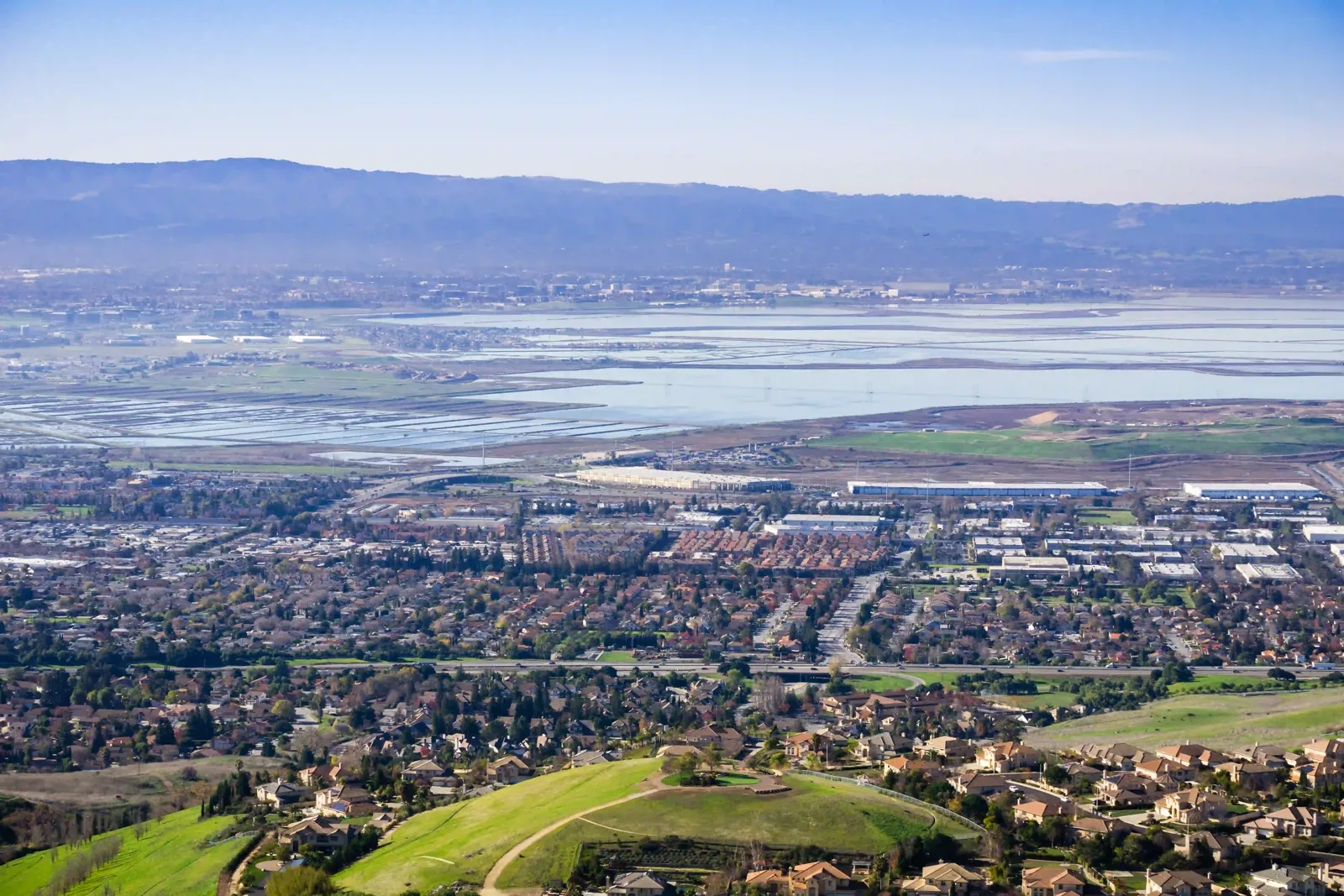
Alameda in Daly City
Roof repair, replacement, recover and coating for Alameda commercial and industrial buildings, with material logistics, tie-ins and dry-in sequencing planned.
Material logistics start before the first sheet is unrolled. Alameda is an incorporated island municipality in the East Bay, and its planning materials include both commercial and industrial land-use categories, so a roofing project here is planned with delivery routes, crane or lift placement and work hours in mind. A general contractor who sets those items early avoids the stalls that come from a truck that cannot reach the building or a lift that cannot stand where the plan assumed.
We repair, replace, recover, coat and maintain commercial roofs for Alameda owners, property managers and project teams. Send the plans, the access limits and the problem you see, and we will walk the roof and return a scope the next trade can build.
Scope boundary: commercial and industrial categories
Commercial and industrial land-use categories sit side by side in the city's planning materials, and roofing scopes follow a similar split. A commercial building raises customer, entrance and tenant questions. An industrial building raises equipment, exhaust, loading and process questions. The category does not tell us what the roof is made of or how old it is; the walk does.
On the first walk we identify the system, count penetrations, measure the roof area the scope will touch, and mark the limit of removal. We list every item that belongs to another trade, such as a curb flashing owned by the mechanical contractor or a skylight owned by the glazing contractor. That list is part of the scope, and it prevents the change orders that start with a disagreement about who was responsible for what.
A repair of one seam is a different capital item from a section replacement, and both differ from a full tear-off. We price them as separate options.
Sequence: from delivery to dry-in
A roofing job has a delivery stage, a roof stage and a closeout stage. In delivery, we confirm the route, the staging area, the lift or crane position and the hours when trucks can approach. On the roof, we tear off and replace in sections sized to what the crew can dry in during a shift. Insulation and cover board go down first, then membrane, then flashing and edge metal. Closeout follows with a last walk and the written record. If a delivery slips, the sequence adjusts without leaving a section open overnight, because we do not strip more roof than the material on hand can cover.
On any open roof, we pay attention to how material is lifted and staged, since loose sheets and insulation boards catch the air quickly. We secure materials at the end of each shift and plan lift windows around the day's conditions.
Documenting the sequence helps the project manager. Everyone can see which roof area is open, which is closed, and when the next trade can start.
Field condition: what shows first
On commercial and industrial roofs, trouble tends to show at details before it shows in the field. Flashings at walls, curbs and pipes lift or crack first. Seams that carried foot traffic open next. Edge metal loosens, and drains clog with debris. We walk those places first, then follow the route water takes to see where it stops.
Standing water is the clearest sign. It speeds up membrane wear, stresses seams and adds load to the deck. We map where water collects and compare the low spots to drain locations. The fix may be clearing a drain, adding a sump or tapered insulation, or reworking the field.
An infrared moisture survey shows where insulation has taken on water, and a test cut confirms it. For a roof with a history of leaks, leak repair work follows the moisture back to its entry point before anything is patched.
Wet season: planning from the airport record
Station normals from San Francisco International Airport put a year's rain at 19.64 inches, and 16.76 of those inches arrive between November and March. Summer is nearly rainless there, with 0.18 inches across June, July and August. For a job that depends on truck slots and lift days, a dry summer matters as much for logistics as for the membrane, since a rained-out delivery day costs the whole slot.
We reserve replacement and coating for the dry months where the schedule allows, and we use winter for inspection and repair. A fall visit that clears drains, seals small openings and re-fastens edge metal is the least expensive roof work available. Projects that continue into the wet months get smaller open sections, daily dry-in and a check of temporary tie-ins before any forecast storm.
Cost drivers: commercial and industrial roofs
Insulation moisture is the first driver. Wet insulation must come out. Deck condition is the second, since damaged deck must be repaired. Detail count is the third, because every curb, pipe, skylight and drain takes hand labor. Access is the fourth: a roof reached by a lift from a clear lot is simpler than one that calls for a crane pick or a protected route through the building.
Industrial buildings may add the cost of chemical-resistant membranes or of work scheduled around production. Commercial buildings may add tenant protection and off-hours work. We list each separately so the owner sees what belongs to the roof and what belongs to operations. A restoration coating may defer a larger project on a sound, dry roof, and our roof condition reports give the owner the data to decide.
Questions About Alameda
Handoff: the next trade on the roof
After roofing, the building usually sees mechanical, electrical, signage or fire-protection crews. Each one can damage a new membrane, so we agree on the walk route, the walk pads and the list of final penetrations before we leave. Anything that must be added later gets a conversation first, and the repair details for the installed membrane go into the closeout record so the opening is closed the right way.
For industrial owners, the handoff also covers process equipment. If a new exhaust fan or duct run is planned, we recommend setting the curb and flashing before the field is finished, so the penetration is sealed once and tested. If a unit is replaced on an existing curb, we check the flashing height and sealant while the unit is off.
On a contractor-led project, the general contractor receives the same list, which keeps the roof dry through the rest of the job and gives every trade the same picture of what has been closed out.
Closeout: maintenance and emergency response
At completion, the owner receives tie-in photographs, the list of materials installed, details that were repaired and any manufacturer paperwork, all filed by roof area. A preventive maintenance program schedules visits before each wet season. Emergency calls reach a crew that answers around the clock, every day, holidays included.
We also work in nearby Oakland and San Leandro.
Commercial Roofing Questions
How do you plan deliveries for a roof project?
We confirm truck routes, the staging area, lift or crane placement and delivery hours before ordering material.
What differs between commercial and industrial scopes?
Commercial work centers on tenants and entrances. Industrial work centers on equipment, exhaust, loading and process schedules.
How is loose material handled on open roofs?
Insulation boards and rolled sheets are secured at the end of each shift, and lift windows are planned around the day's conditions.
Why does standing water matter?
It wears the membrane, stresses seams and adds load to the deck. We map it and compare the low spots to drain locations.
When should a coating go on?
In the dry months. The nearby airport station normally records 0.18 inches from June through August.
More Commercial Roofing in Daly City
Related pages
- infrared moisture survey
- leak repair
- restoration coating
- roof condition reports
- preventive maintenance program
- Oakland
- San Leandro
Browse by category
Send plans, access limits and delivery constraints
Tell us how trucks and lifts reach the building and what the roof is doing. We will return a trade-ready scope and sequence for your Alameda property.