
Commercial Roofing in Walnut Creek, CA
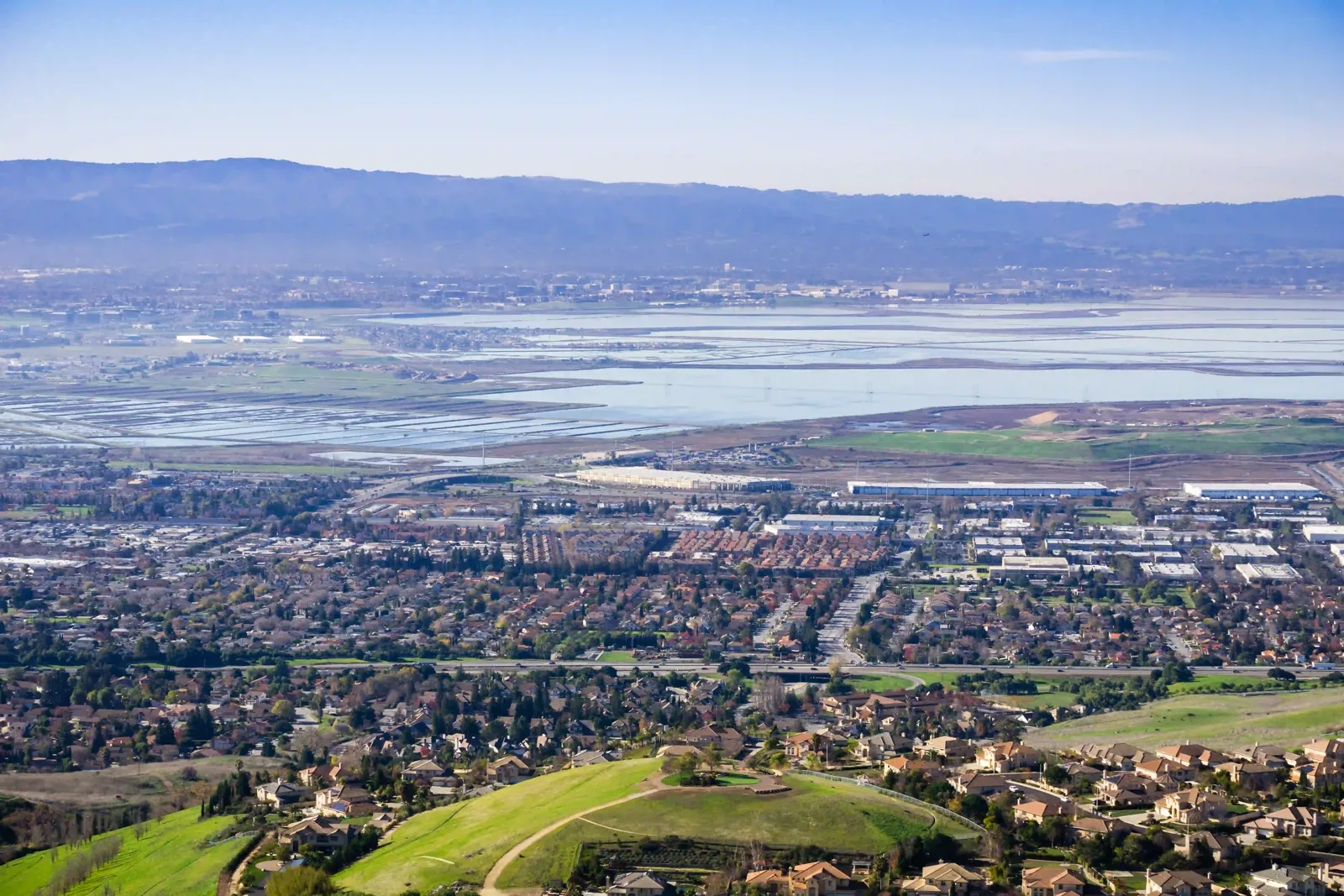
Walnut Creek in Daly City
Commercial roof repair, replacement and maintenance for Walnut Creek, CA owners and project teams, with phased scopes and written closeout records.
Capital timing is the first coordination point on a Walnut Creek roof. The city's current General Plan 2025 dates from 2006, and the city says it is working on a General Plan 2050 update, with its current land-use map last updated on December 16, 2025. An owner deciding whether to patch, recover or replace a roof now is also deciding how that spending sits beside whatever the building may face under revised planning, and the roof scope should be written so it holds up either way.
In Walnut Creek, CA, owners can turn to us for repair, replacement, recovery, coating and upkeep of low-slope and metal roofs. Plans, access limits and your read of the roof's condition let us return options that an owner and a general contractor can price and sequence.
Scope: separating the roof decision from the planning horizon
A long-range plan does not change what the membrane is doing today. A roof with open seams, ponding near a drain or saturated insulation needs an answer on its own timetable, whatever the planning documents say about the surrounding area. We therefore separate the roof decision into the work the building needs now and the work that can wait for a larger project.
In practice that gives an owner three written options. A repair scope addresses the failed seams, flashings and punctures and carries a defined life expectation for the remaining roof. A recover or coating scope extends a sound roof where the substrate allows it. A replacement scope removes the failed assembly down to the deck and rebuilds it. Each option has its own removal limit, its own duration and its own exclusions, so the owner can compare them as capital items rather than as a single number.
For buildings tied to a loan or a sale, a due diligence roof survey records the same information in a format a buyer or lender can read.
Field condition: what the General Plan elements do and do not tell us
Walnut Creek's General Plan contains state-required elements for land use, circulation, housing, open space, noise, safety and conservation. For a roofer, the element list is a reminder that a building sits inside a framework of rules, not a description of any one roof. We do not read a plan to learn what is on a rooftop. We climb up and look.
That first look covers the membrane field, the seams, the flashings at walls and curbs, the edge metal, the drains and every penetration. We note rooftop equipment and the condition of its supports, since a unit that has been moved or replaced often leaves a patched curb or an abandoned cut. We measure ponding where water stays after the last rain, and we probe soft areas for wet insulation. A drone roof inspection helps on larger or multi-level roofs where walking every area takes time, and an infrared moisture survey maps trapped water that the eye cannot see.
Rain timing: seasonal contrast from the airport station
Seasonal timing leans on the NOAA station at San Francisco International Airport. Its normals show 19.64 inches of precipitation in a typical year, nearly all of it, 16.76 inches, in the November to March stretch, against a sliver of 0.18 inches across June to August. Because the reading comes from the airport and not from a Walnut Creek rooftop, we treat it as a rough outline of the year and check the live forecast before each phase.
The contrast sets the work sequence. A tear-off is easiest to dry in during the dry months, when the crew can open larger sections and finish each one. In the wet months we keep each opening small, check drains and scuppers before cutting, and look over temporary tie-ins ahead of every forecast rain. A drain path that is not verified before a roof is opened turns a light shower into ponding on exposed insulation.
Repair and inspection work tend to fit the wet season well, since leaks are visible and the cause can be traced while water is moving.
System detail: choosing a membrane for the building's use
Commercial buildings often carry rooftop equipment that needs regular service. That traffic wears a membrane, so we pay attention to walkway protection, seam method and flashing materials. A TPO roof offers heat-welded seams and a reflective surface, while a modified bitumen roof adds layers that tolerate foot traffic. PVC suits roofs with grease or chemical exposure from kitchen exhaust. Metal roofs call for fastener review, seam sealing and a panel condition check, and some can take a retrofit panel instead of removal.
Insulation and cover board choices matter as much as the surface. A thicker polyiso layer improves energy performance, but it raises parapet and flashing heights, so we confirm that walls and curbs can take the extra height before ordering. Code requirements for energy and structure are verified with the city before pricing a replacement, and we list any item they add as its own line.
Cost drivers: what moves the number
The biggest swings in roof cost come from what is under the membrane. Wet insulation, a damaged deck or an older assembly with multiple layers can turn a recover into a tear-off. Penetration count, curb and drain condition, and the number of roof levels come next. Access follows: lift or crane placement, debris routes, staging space and the hours a tenant allows.
Schedule and weather add risk. A job that must finish before a tenant move-in or a lease milestone may need extended hours or a second crew, and the owner should see that cost separately. The same goes for the dry-in measures used when work crosses into the wet season.
A roof capital plan lets an owner spread those decisions across several years and several buildings instead of reacting to the worst leak first. The same planning method applies to a property group that spans Concord and Pleasant Hill, where a single owner may want the roofs ranked by urgency.
Questions About Walnut Creek
Closeout: the record that outlasts the project
Each project ends with a file: photographs of the starting condition and the finished tie-ins, the final scope with its changes, drain test results and the product literature for the membrane and flashings that were installed. If the owner later sells the property, refinances it or files a claim after a storm, that record answers the first questions. It also gives the next trade a clean starting point when it needs to cut a new opening. For buildings that stay in service for years, a preventive roof maintenance program carries the closeout record forward.
Commercial Roofing Questions
Should an owner wait for the planning update before reroofing?
Not if the roof is leaking or the insulation is wet. We write a repair scope that protects the building now and a replacement scope that can be timed with later work, so the owner can choose.
Can you work on a roof that has rooftop equipment needing service?
Yes. We list each unit, curb and support, note who services it, and sequence the roof work so equipment access is protected during the project and walkway protection is in place after.
What months work best for a membrane replacement?
Summer is the better fit when the schedule allows, because the airport station's normals show close to no rain from June to August. A wet-season start is workable with small sections and nightly dry-in.
How do you decide between a recover and a replacement?
We test the insulation and check the deck and fasteners. Dry, sound substrate can take a recover or coating. Wet or failed substrate needs removal, and we put that finding in writing.
What record do I receive when the work is done?
A file with before and after photographs, the closed-out scope, drain verification and product data for the new membrane and flashings, formatted so a lender, buyer or insurer can read it.
More Commercial Roofing in Daly City
Share the roof plan and the access limits
Send plans, tenant hours and the condition you see in Walnut Creek. We will return a trade-ready scope and a workable sequence for your building.