
Commercial Roofing for Gyms and Fitness Centers in Daly City, CA
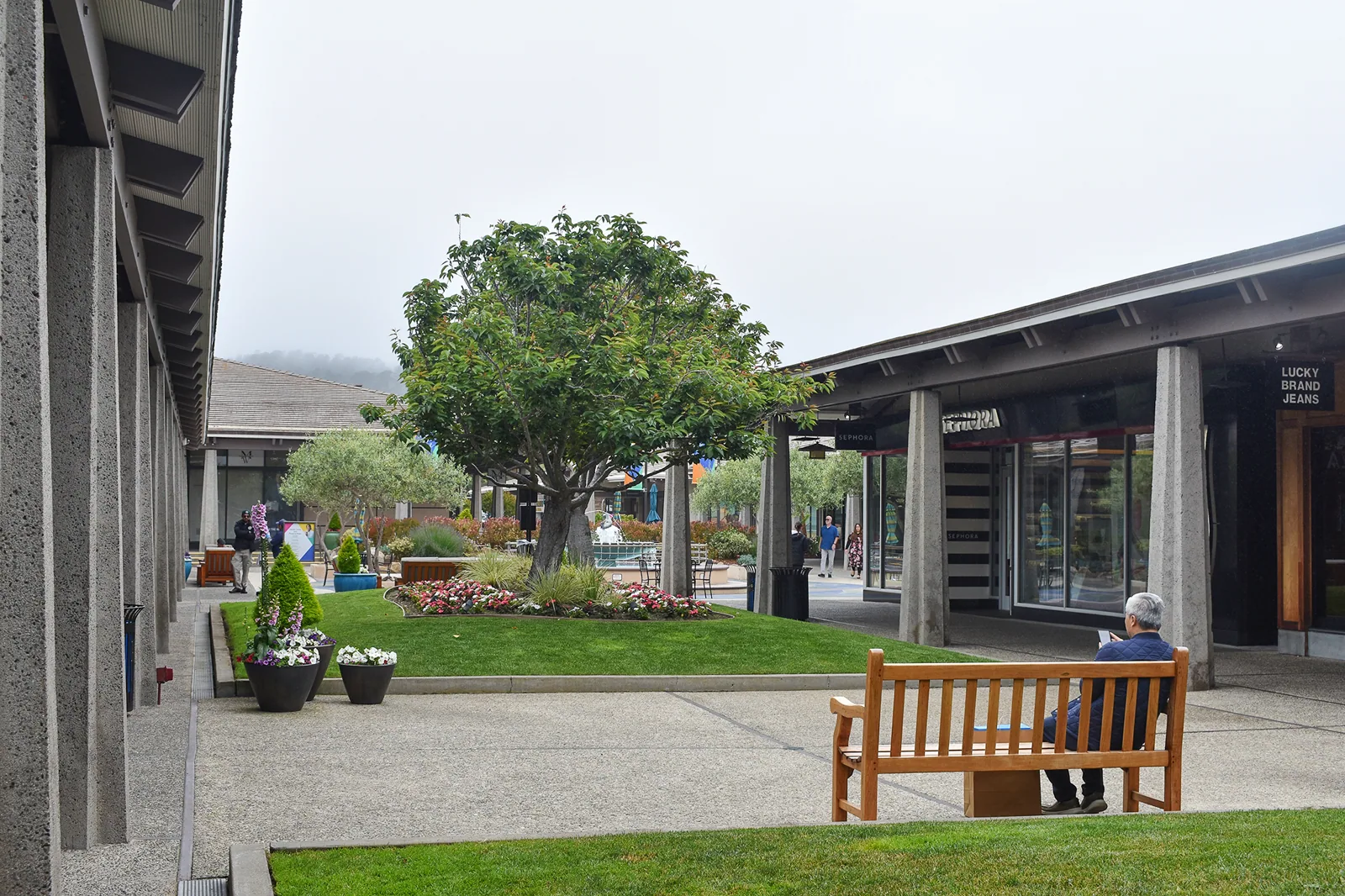
Gyms and Fitness Centers in Daly City
Coordinate gym roof inspections, repairs, and replacement in Daly City around member access, class schedules, pool areas, and equipment protection.
A gym runs early classes, evening programs, locker rooms, courts, studios, and equipment under the same roof, so the roof sequence has to follow the member schedule and not only a construction date. In Daly City, CA, we review the building's roof history, reported leaks, access points, and operating calendar before defining an inspection or repair scope, and we identify which rooms sit below each roof area so the protection and the end-of-day check are specific.
The inspection confirms the roof system and accessible details at the facility. We explain what was observed, what remains uncertain, and how the work area and daily sequence fit with the owner or facility manager.
Scheduling: Work around member activity
The facility contact can identify peak class times, member entrances, staff routes, deliveries, and areas that need to remain quiet. We confirm how crews will reach the roof and where materials can be staged without interfering with member check-in or emergency access. If a lift, removal task, or temporary closure affects parking or an entry, the operator can coordinate the notice in advance.
Work may be split by roof section when weather protection and tie-ins allow a secure boundary. We identify which rooms sit below that area and agree on the protection and end-of-day check. A planned occupied-building roofing sequence can help the manager coordinate class schedules and daily handoffs while the project remains active.
Where the building has multiple studios or activity areas, the manager can confirm which sessions can shift and which spaces require advance notice. That detail helps separate a roof-work window from the broader facility schedule and gives staff a specific area to prepare before the crew arrives.
Inspection: Check the roof and the room below
A water stain in a studio or locker area is a starting point for investigation, not proof of where the roof has failed. We inspect accessible seams, flashings, curbs, penetrations, drains, and transitions, then compare those observations with the location and timing supplied by staff. Mechanical equipment, humidity-sensitive areas, and ceiling access can affect what is visible during a visit, so limits should be recorded.
If a localized detail is confirmed, a commercial roof leak repair may address it. Repeated findings in different areas may support a broader roof inspection and condition review. We document what was checked and identify questions that need follow-up before the owner commits to a larger scope.
Protection: Account for specialized spaces
Fitness properties may contain spaces with different sensitivities: electronics, exercise equipment, locker facilities, studios, or pool-related areas. The owner can identify what sits under the roof section and who needs to approve temporary protection. We mark the work zone, check access restrictions, and coordinate when a room or path must be cleared. Any equipment movement remains subject to the facility’s instructions and the responsible service provider.
If roof equipment, exhaust, or other penetrations are part of the project, their curbs and flashings need clear responsibility. We confirm which trade handles equipment disconnection or movement and how the roofing detail will be closed. Our rooftop curb and support service can be included when the observed conditions call for it. Drainage details can be reviewed through drain and scupper work.
Daly City context: Plan from the actual facility
A gym may be in any part of Daly City’s 13-area planning framework. The map names Mission Street and Bayshore as well as Westlake, Serramonte, and the Colma-Daly City BART vicinity; it offers orientation, not a roof diagnosis. The local plan links business activity on Mission Street and Geneva Avenue with commercial areas in Westlake and Serramonte. These references can orient a service conversation; the roof system, facility hours, and access must still be confirmed at the property.
Daly City’s economic profile gives weight to healthcare, retail activity, and smaller businesses. A fitness center may share surrounding streets and access with other operating businesses, so delivery and staging plans should be reviewed with the manager. San Francisco is a major commercial center for the Bay Area, while San Mateo’s business sectors include technology, finance, restaurants, and retail. For a fitness operator with more than one location, we keep roof findings and work schedules specific to each facility.
Sequencing around scheduled public activity here resembles planning for a school or a house of worship, but a gym’s classes and member routes differ, so the operator sets the site-specific constraints.
Drainage: Keep observations tied to maintenance
We review visible drains, scuppers, gutters, and runoff paths as part of the roof assessment. A blocked outlet or damaged transition may contribute to water reaching an interior area, but the cause should be verified rather than assumed. The facility team can record when a leak occurs, what equipment or rooms are affected, and whether prior repairs changed the pattern.
USW00023234, the nearby San Francisco International Airport NOAA station, has a 19.64-inch annual precipitation normal, including 16.76 inches from November through March; those readings are not citywide Daly City data. Before that wetter period, a manager can review open repair items and confirm who checks drainage and routes leak reports. A preventive roof maintenance visit can document accessible conditions and follow-up needs.
Questions About Gyms and Fitness Centers
Options: Make repair and renewal distinct
A focused repair, recover, coating, or replacement has different prerequisites. The existing roof, substrate, moisture, attachment, drainage, and the operator’s plans for the building all affect which options can be evaluated. We present the inspection findings and note where additional testing or design input is needed instead of treating the remedy as predetermined.
When replacement is under review, the owner can compare work by roof area and operating impact, including temporary protection, access, and tie-ins. A coating or recover should only be considered after the existing system and substrate are assessed for compatibility. The proposal should state its boundaries, exclusions, and process for reporting concealed conditions so facility staff can coordinate decisions with the contractor.
Closeout: Restore the facility routine
At the end of each shift, we review whether the roof is secured and whether any temporary protection or route restriction remains. At project closeout, the facility contact should know which details were addressed, what work areas are complete, and what follow-up sits outside the approved scope. The operator can then update staff on reopening rooms or adjusting class schedules.
For a first discussion, share the roof plan if available, leak locations, building schedule, member access requirements, and any recent repair notes. The Daly City roofing team can discuss the appropriate inspection or repair step and coordinate a visit with the facility contact.
Commercial Roofing Questions
Can a fitness center stay open during roof work?
The facility may remain open when the work zone, crew access, and protection plan can be coordinated with operations. We review class schedules, entrances, and any rooms below the roof section before setting work windows.
What should staff do when they notice a leak?
Record the room, timing, and visible impact, and notify the facility contact. Those observations help the roofing team compare the interior report with accessible roof details during inspection.
How are locker rooms or pool areas protected?
The manager identifies sensitive spaces and protection requirements before work begins. We include the agreed work boundary, temporary protection, and end-of-shift checks in the sequence for those areas.
Can you coordinate a roof assessment for multiple gym locations?
Yes. The owner can set a consistent reporting format while each facility receives a separate record of roof conditions, access limits, and operating requirements. We confirm each site’s schedule and contacts directly.
When does a fitness property need a larger roof project?
A broader review may be useful when inspection identifies repeated or widespread conditions. The roof assembly, repair history, drainage, and facility plans inform the options, which we document for the owner’s decision.
More Commercial Roofing in Daly City
Coordinate a gym roof assessment
Share the building schedule, reported leak areas, access needs, and roof records if available. We will review the site conditions and outline an inspection, repair, or planning step that fits the facility.