
Big-Box Retail Roofing in Daly City, CA
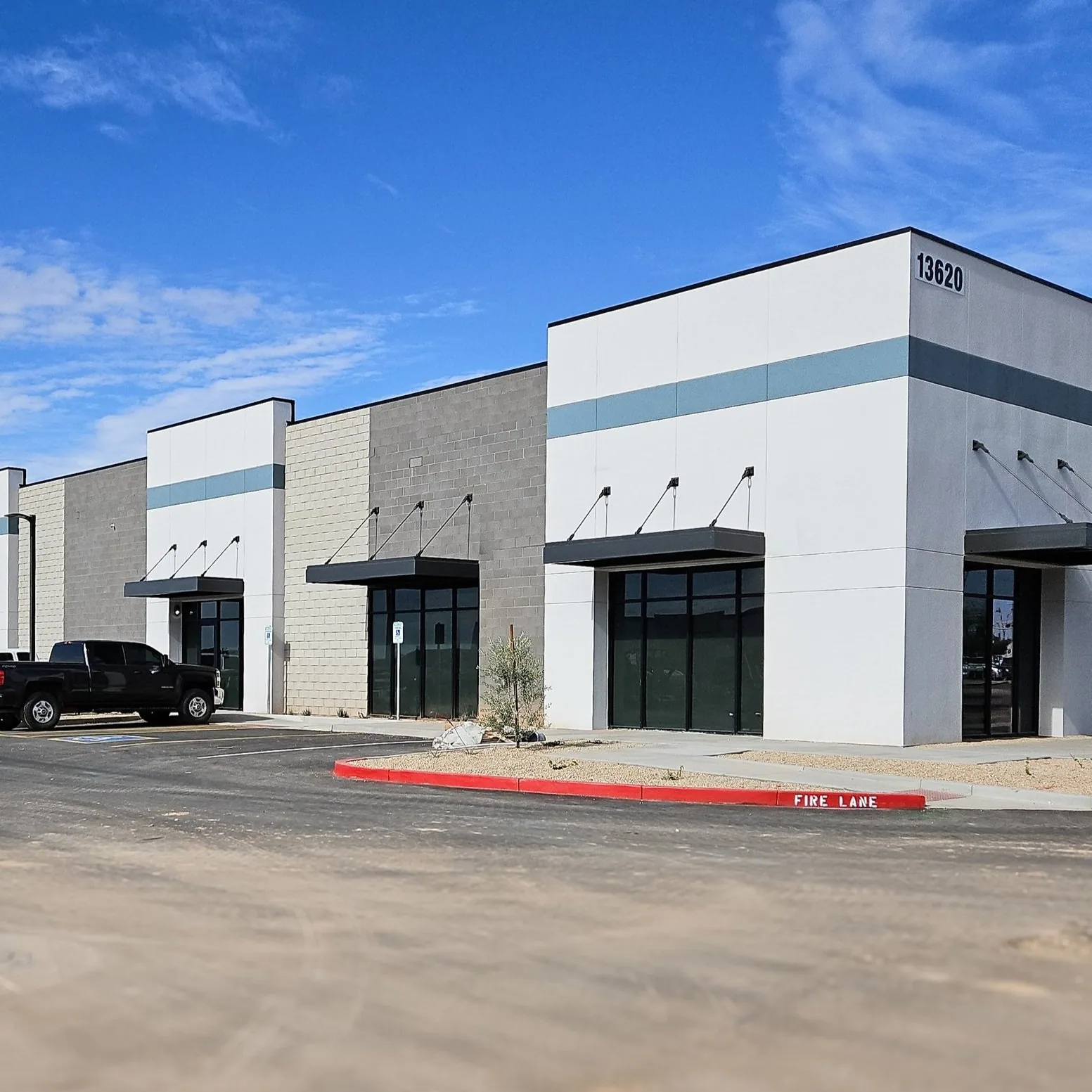
Big-Box Retail Roofing in Daly City
Scope big-box roof repair or replacement in Daly City around receiving, customer access, drainage, and equipment handoffs, with work limits by roof zone.
Receiving cannot stop simply because a roof area is open. For a big-box store in Daly City, CA, we first map the roof zone to the loading lanes, customer entries, rooftop equipment, and the route crews will use. Daly City's regional profile places San Francisco and San Mateo County job centers nearby and identifies retail among its local economic strengths. Those facts frame contractor logistics, not a store's building dimensions or roof system. We inspect the property in front of us, then set a scope boundary that the manager and GC can connect to operating hours and the next trade handoff.
A wide roof area may contain separate drainage paths, parapets, curbs, skylights, and later repairs. We photograph each zone, follow the reported water path, and note what is visible before choosing patch, section replacement, or a larger reroof. Coordination for a store anywhere in the Daly City service area starts with the receiving schedule. A roof inspection records the condition, while a shopping center roof or grocery property roof may need its own receiving and tenant sequence.
Roof-zone boundary: Identify what the crew will open
We mark the work area on the roof plan and inspect seams, penetrations, wall transitions, edge metal, drains, and equipment curbs within and around it. A stain over a stockroom or sales floor is not enough to set the repair limit. We look for a plausible path, document nearby conditions, and keep observations distinct from confirmed defects. If a test opening is needed, the location, patch detail, and authorization should be agreed before removal. That record gives store operations a precise location for any interior protection or temporary closure.
The bid states whether the work is a local repair, partial replacement, or full tear-off. It identifies membrane to remain, insulation or cover board to remove, new assembly limits, and where the tie-in stops. Large roofs may have several slopes or drain groups, so the map should name each area and outlet. A drain and scupper inspection can separate outlet and overflow work from membrane scope. If concealed wet material appears beyond the planned boundary, we stop at the agreed review point and price the added area as a documented change.
Water route: Check low points and discharge first
We review drain bowls, strainers, scuppers, overflow openings, crickets, and low spots before deciding whether ponding reflects a blockage, a slope issue, or a failed membrane detail. Routine cleaning and roof repair are separate tasks, though both can appear in one work plan when the owner approves them. We note water marks, open seams, displaced flashing, and prior patches by location. That makes the repair decision more useful than a general statement that a broad roof area looks wet.
Most of the normal precipitation at NOAA's nearby airport station falls from November through March, and summers are very dry. The record belongs to that station, not to a specific Daly City store. The seasonal split is a reason to check outlets and details before the wetter period and to define dry-in for every opening. It does not set a project date or predict rainfall. A ponding-water review can identify a roof correction, while a perimeter metal scope can address edge transitions exposed during the same phase.
Receiving schedule: Coordinate lifts, deliveries, and closures
Before mobilization, the GC and store contact agree on receiving windows, customer entrances, lift or hoist locations, material staging, debris movement, and access to rooftop units. We identify the person who releases each zone and who checks the temporary cover at shift end. A daily sequence should show which roof area is opened, what is completed, and what stays protected if delivery or weather changes the plan. If electrical, HVAC, signage, or solar work shares the same area, the trade handoff belongs on the schedule before membrane installation.
BART and I-280 give the GC two regional references for crew and material routing. The store contact sets receiving hours, lift access, and customer-path controls. We coordinate notices and work limits with the property team. Occupied-building phasing can define entries and protection, and capital planning can preserve the boundary for later repair or replacement phases.
Equipment curb: Set flashing after rooftop work
Big-box roofs often have equipment and service routes that affect the membrane after installation. We confirm curb height, attachment, nearby seams, conduit, and the access needed for future service. If equipment is replaced, its trade should finish the support and curb work before final flashing is installed. Walk pads or defined paths can protect the roof where technicians need regular access. The proposal should state whether moving equipment, reconnecting utilities, or modifying supports belongs to roofing or another trade.
The membrane follows verified substrate and design requirements. TPO and PVC seams are heat welded, EPDM relies on compatible splice materials, and built-up or modified bitumen assemblies use their specified plies and flashing details. Metal roof sections require review of panel joints and movement at transitions. A standing-seam metal system may be considered only where the actual design and building use support it. We record the selected assembly, edge details, and tie-ins rather than assuming that a single product fits every roof zone.
Bid structure: Separate production from operating constraints
Price depends on measured roof area, removal depth, insulation, membrane, flashing, drains, edge metal, curbs, staging, lift access, and phase count. Store hours can affect when crews move material or work above customer and receiving areas. We list those assumptions in the base scope and separate concealed conditions from confirmed work. A unit or allowance should identify what it covers and how the GC approves it. This gives ownership a fair comparison between repair and replacement without omitting dry-in, protection, disposal, or later trade access.
The effective date for Daly City’s 2025 code package was January 1, 2026. A complete permit application from before that point may continue under its earlier code set; verify the permit path before changing attachment, edge, or curb details.
Questions About Big-Box Retail Roofing
Store record: Make the finished boundary easy to find
At closeout, we inspect seams, curbs, drains, perimeter metal, penetrations, and the tie-ins included in the work. Photos use the same roof-zone labels as the plan, with wide and detail views so the next service team can locate the repair. The record states what was removed, what remains, which changes were accepted, and what was not part of the contract. A store manager can then report a new condition by area rather than treating the roof as one undivided surface.
Westlake and Serramonte are named commercial areas, and Mission Street is a city-identified corridor; those places establish Daly City context rather than an individual property condition. We keep the work record tied to the actual roof, equipment, and access paths. Share roof plans, delivery restrictions, leak reports, and any upcoming equipment work. We can define a sequence that keeps receiving and customer access in the GC's schedule, then leave the project team with a marked closeout record and a clear handoff for future maintenance.
Commercial Roofing Questions
Can a store keep receiving during a reroof?
It can when the GC and store set material routes, delivery windows, lift locations, and roof-zone closures before work begins. We phase and dry in each area.
How do you scope a leak above a sales area?
We review drains, nearby seams, curb flashings, and the roof zone above the reported space. The removal limit follows observed conditions, not the interior mark alone.
What if rooftop equipment is being replaced too?
Set equipment and curb work before final flashing. We document the trade boundary, support requirements, service clearance, and the person accepting the finished tie-in.
How is a broad roof divided for pricing?
Use mapped roof zones, drain groups, and defined removal limits. We price each boundary with the same access and protection assumptions for an accurate comparison.
Which photos help at closeout?
Keep zone labels consistent with the plan. Wide views locate the repair, and detail views show seams, flashing, drains, and accepted changes.
More Commercial Roofing in Daly City
Coordinate the retail roof sequence
Share the roof plan, receiving windows, tenant hours, and leak locations. We can inspect the roof zones and define a phased scope with the GC.